In April 2016, I arrived in Bongaigaon, Western Assam expecting to curate an experience for our potential clients. Instead, the Bodo landscape curated me. After Bongaigaon, paddy fields opened in long green sheets, bamboo leaned over village paths, and the distant hills of Bhutan gathered blue along the horizon. Rivers were moving beyond the fields—Manas, Beki, and the smaller streams that feed the wetlands and sustain the villages. The air smelled of rain, earth, woodsmoke, and rice.
The Bodos are among the earliest communities to settle in the Brahmaputra Valley. Their history is interwoven with the region’s plains, forests, foothills, and rivers. Over generations, they have developed a way of living that does not separate culture from ecology. The field, forest, and kitchen each belong to a larger relationship of gratitude and responsibility.
Source: Wikimedia Commons
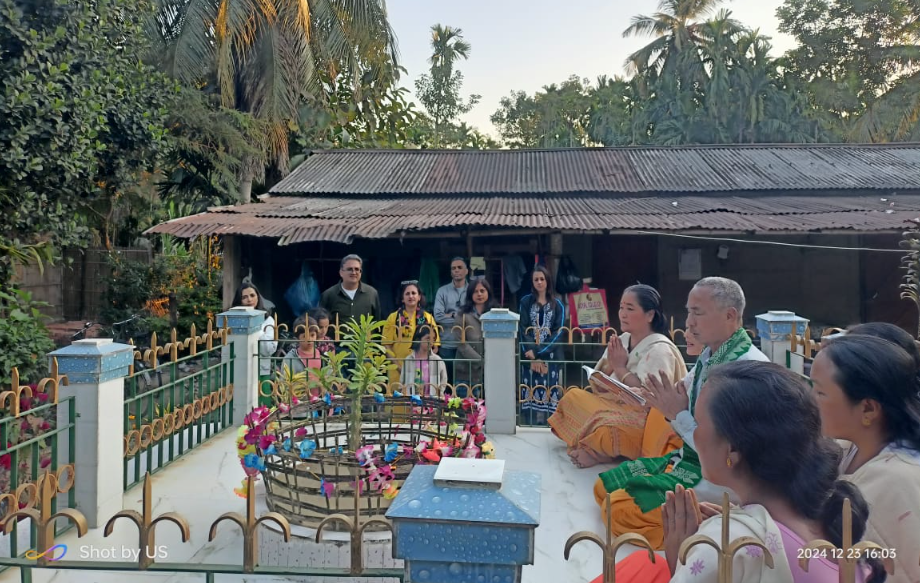
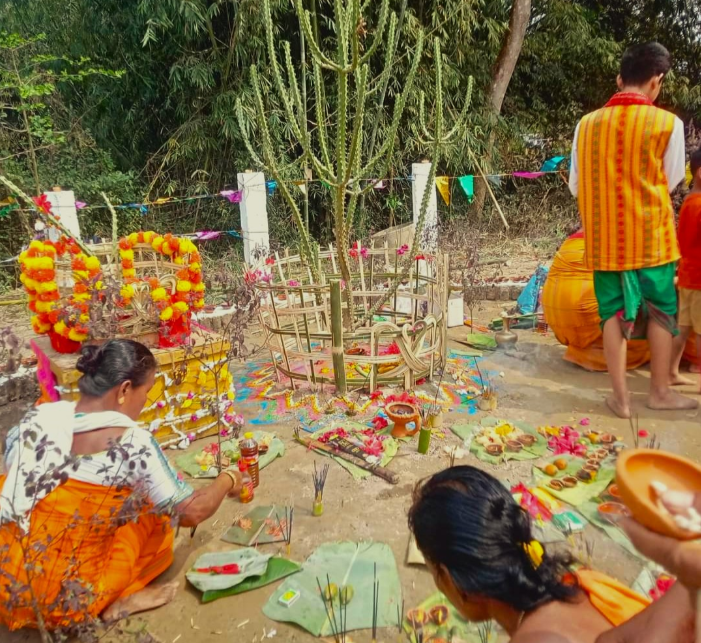
I felt that relationship most strongly when I learned about Bathouism, the traditional spiritual worldview of many Bodos. Bathou Bwrai, the supreme divine force, is represented by the Sijou tree, a living reminder that the sacred is not distant from daily life. The five elements—earth, water, air, fire, and ether—are present in the cooking fire, the monsoon river, the farmer’s breath, and the grain stored after harvest.

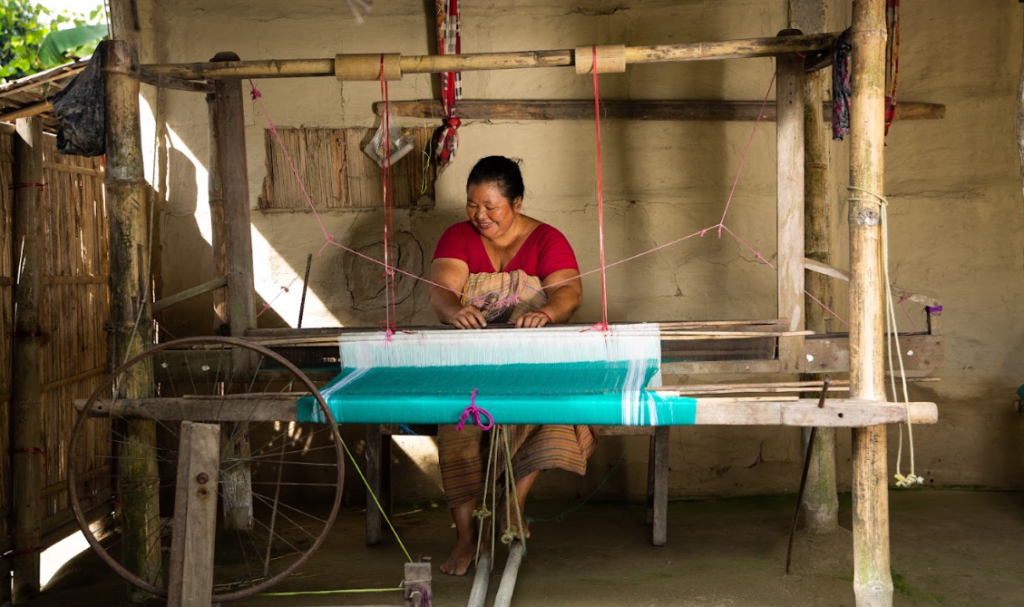
As a curator, I am accustomed to reading meaning in objects. In a Bodo village, I began reading the meaning in actions. Rice is planted with patience. Bamboo becomes homes, fences, and cooking vessels. Women tend gardens, assist with paddy cultivation, preserve ingredients, weave textiles, and carry knowledge between generations. The Aronai and Dokhona, patterned with flowers, birds, trees, and mountains, carry the landscape into clothing. Even beauty remembers where it came from.
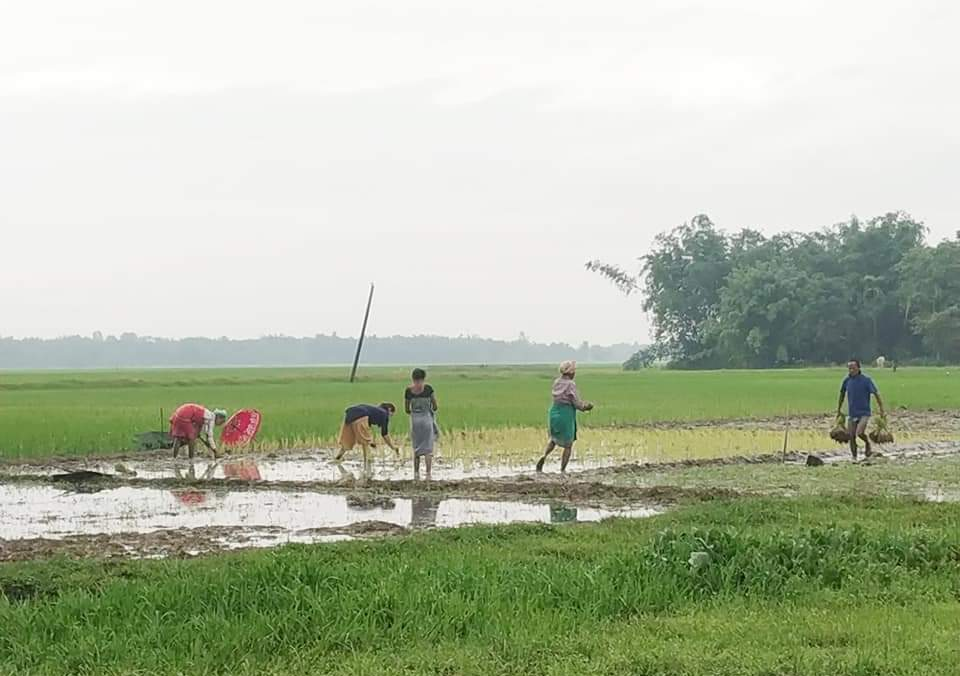
Bodo Rice fields, Source: Wikimedia Commons
Rice is the centre of this world. The Bodos have a long agrarian history and traditionally cultivate seasonal varieties, including Ashu and Maisali. Yet the farm is only one part of the food landscape. Wetlands, forests, and field margins offer dingkhiya fern, narzi or jute leaves, mushrooms, herbs, snails, and freshwater fish. This is intimate knowledge of a place: what can be eaten, when it should be gathered, and how it can be preserved without waste.
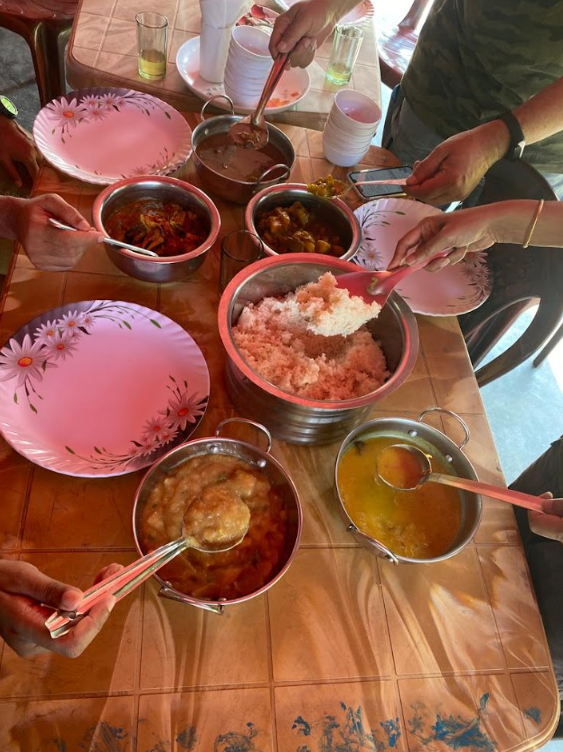
At the dining mat, the landscape became flavour. Oma Bedor, pork cooked with fresh bamboo shoots, carried the smoky sharpness of the hearth. Ondla, thickened with rice powder and scented with herbs, was gentle and comforting. Narzi offered a distinctive bitterness, while Napham, the long-fermented fish preparation, revealed the patience of preservation. Bodo cooking often uses fresh ingredients, little oil, and restrained spice, allowing earthy, bitter, smoky, and fermented flavours to remain recognizable. These foods reflect knowledge of digestion, seasonality, and storage.
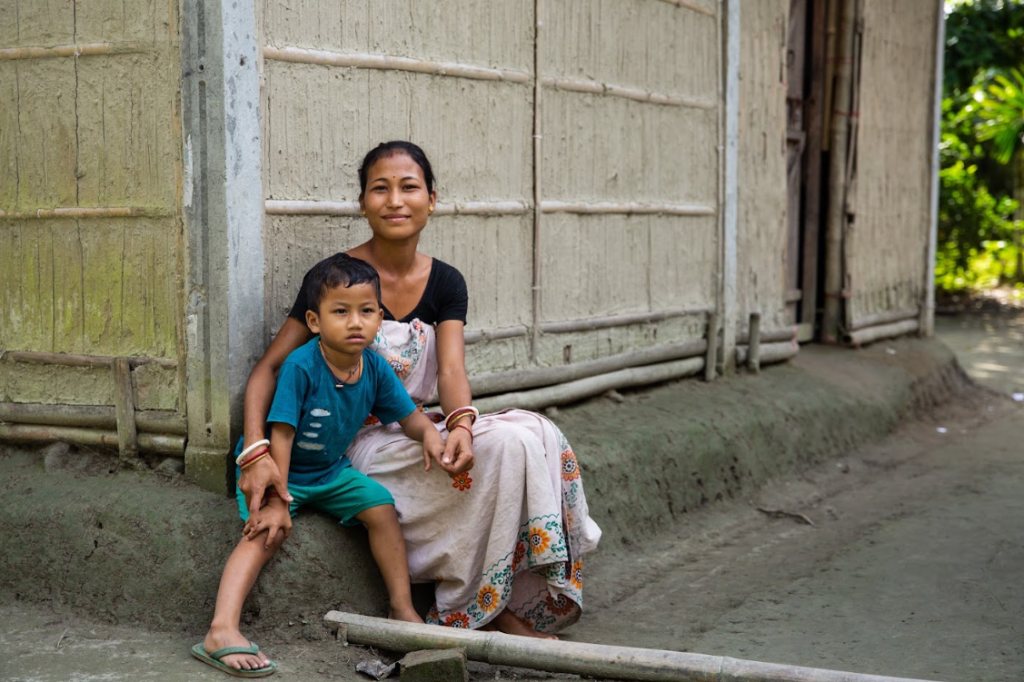
Sitting in the shaded courtyard of my host Heri, I watched the meal arrive in a rhythm of hands: a bowl placed down, a ladle lifted, rice shaped into a warm mound, Jou poured. No one described the food as exotic. It was simply what the garden, river, smokehouse, and field had made possible. Outside, evening settled over the paddies. In the fading light, I could hear insects in the grass and the low, patient movement of water.
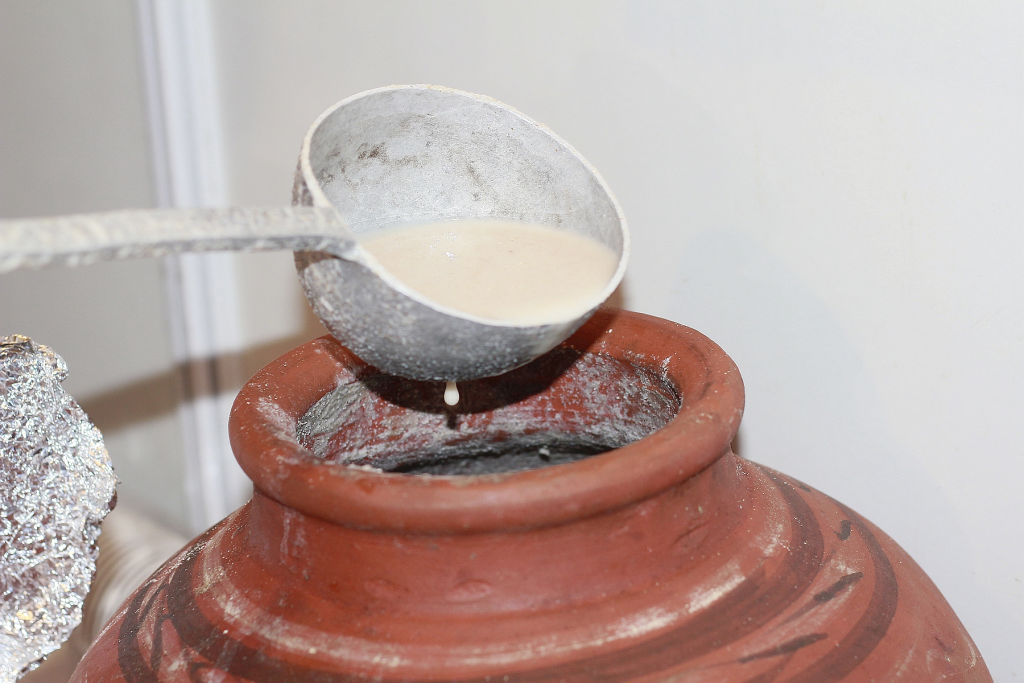
Rice Beer, Source: Wikimedia Commons
Then came Jou, or Zu Mai, the home-brewed rice beer. It was offered both as a novelty and an expression of welcome. Made with rice and indigenous starter cultures enriched with roots and herbs, it belongs to rituals, celebrations, and hospitality. To receive a cup is to be trusted with a small part of the household’s memory.
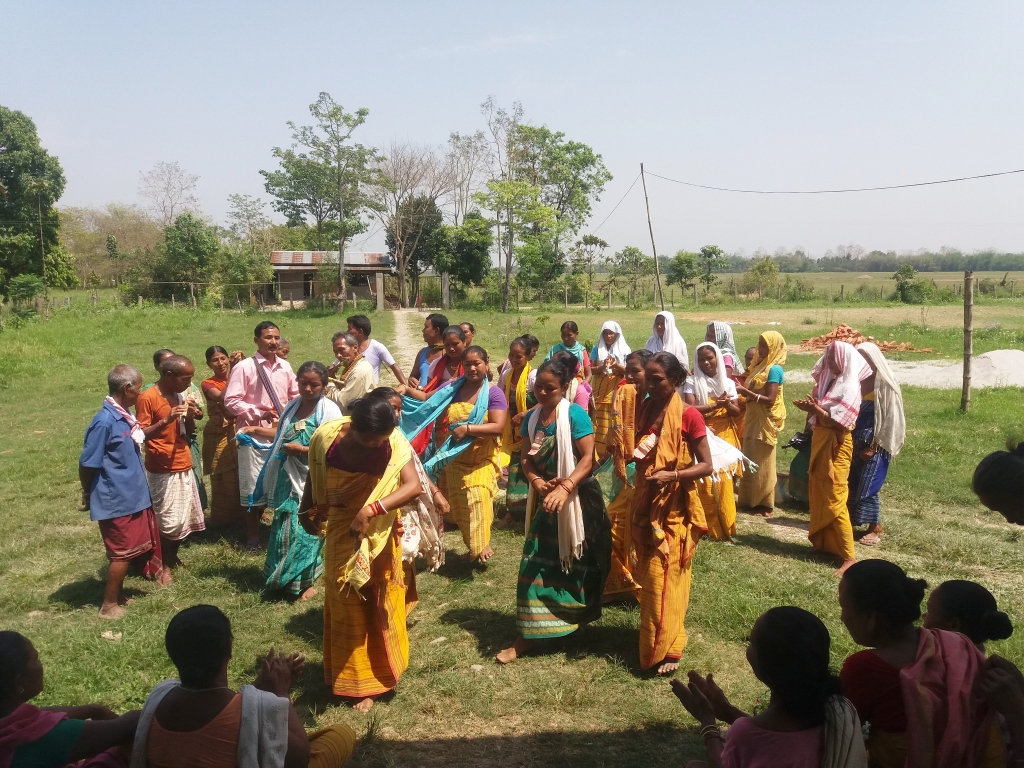
Bwisagu, Source: Wikimedia Commons
Their festivals make this relationship visible. Bwisagu, the spring New Year, brings music, dance, renewal, and the anticipation of sowing. The graceful Bagurumba, associated with butterflies and the natural world, turns celebration into an ode to living things. Kherai is a sacred ritual festival seeking wellbeing and harmony. Wngkham Gwrlwi Jannai, the new-rice ceremony, waits until the harvest is gathered and gratitude offered before the new grain is eaten. The agricultural calendar becomes a moral calendar: receive, give thanks, share, begin again.
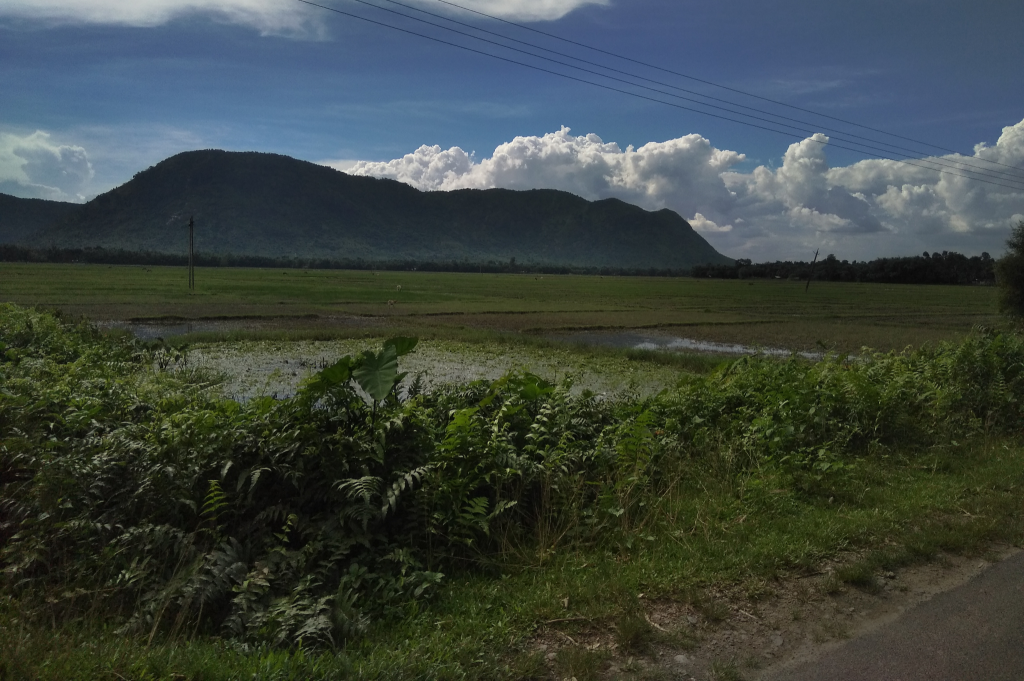
Bangaigaon Enroute, Source: Wikimedia Commons
For visitors, Bongaigaon is a practical gateway. It is connected by National Highways 31, 31B, and 31C, with regular buses from Guwahati and other towns. Bongaigaon and New Bongaigaon stations connect to major rail routes. The nearest major airport is Lokpriya Gopinath Bordoloi International Airport in Guwahati, followed by taxi or bus. From Bongaigaon, travellers can continue towards Manas and nearby Bodo villages, where foothills, rivers, forests, and community life unfold together.
I left feeling I had entered a living conversation between soil and seed, river and fish, tree and prayer, grain and guest. At Curtain Call Adventures, we speak of immersive travel. In Bodo country, immersion meant learning to stand quietly enough for the land to tell me how it is loved.
Information and references
The travel details are based on the Bongaigaon District administration’s communication page and Assam Tourism’s Bongaigaon and Manas pages 3. Historical context is cross-checked against a university-hosted study of Bodo history and settlement in Assam 4. The food descriptions draw on a documented account of Bodo cuisine and community tourism around Manas 5. Festival names and the new-rice ceremony follow the supplied cultural brief and the available festival literature 6.