- Overview
- Itinerary
- Activities and Experiences
- Time to Travel
- Guest Testimonials
- Gallery
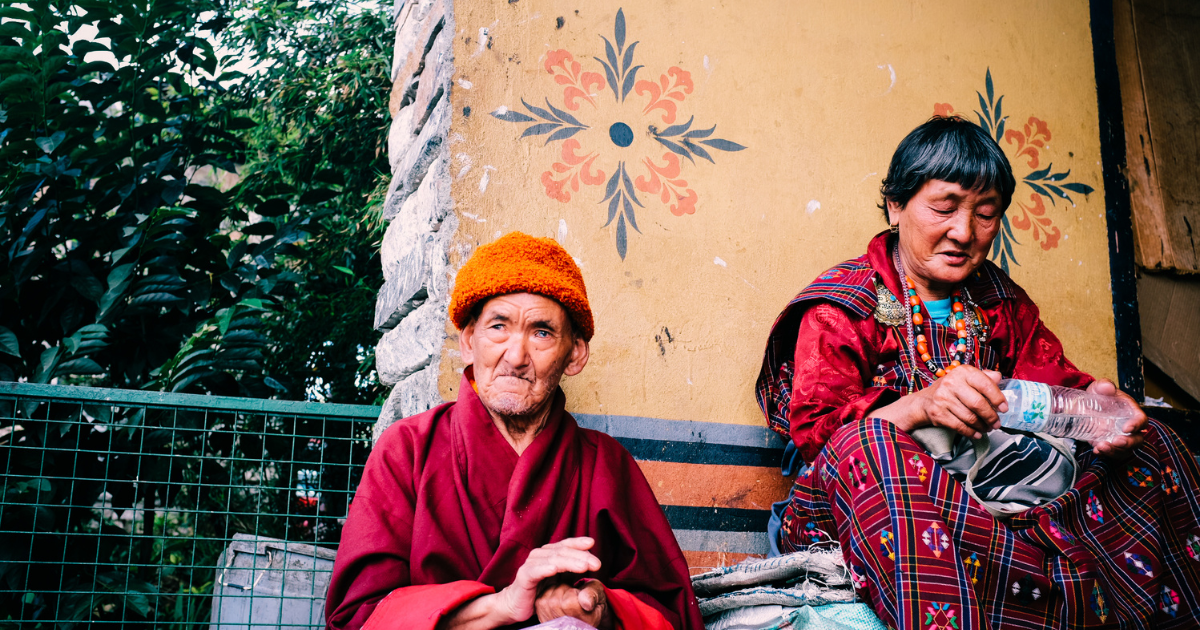
In a world that is always on the go, Bhutan provides sanctuary.
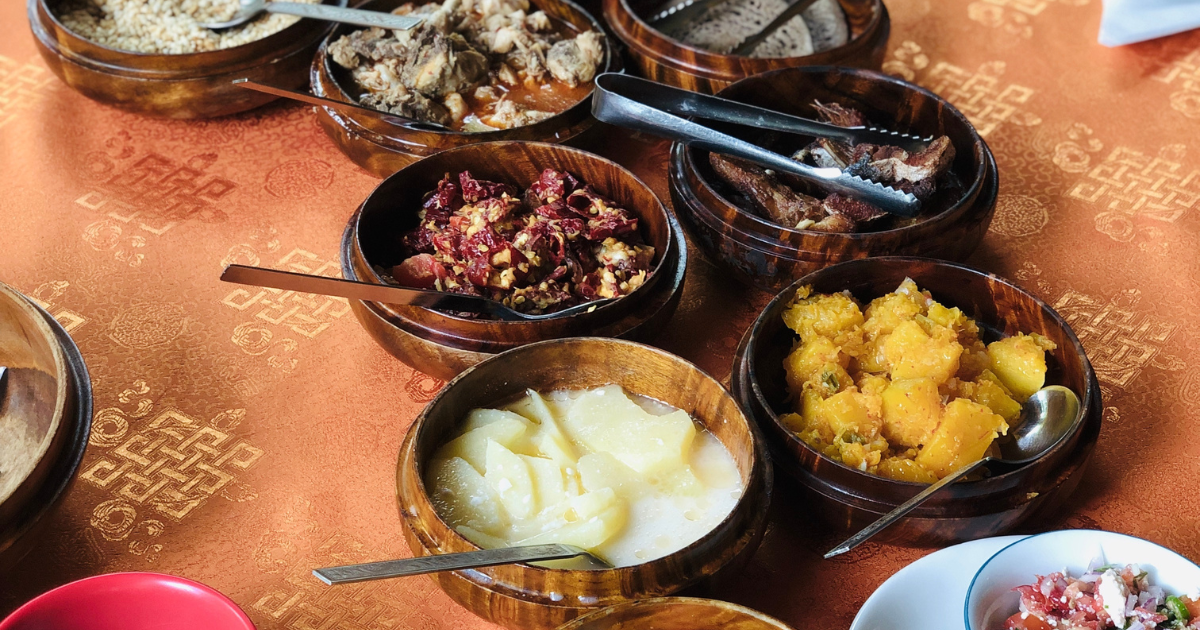
Here, you can find earthly pleasures: archery and age-old crafts, beautiful textiles handmade by skilful weavers, traditional dishes of home-made cheese and fearsomely hot chillies, breathtaking treks and restorative hot-stone baths.
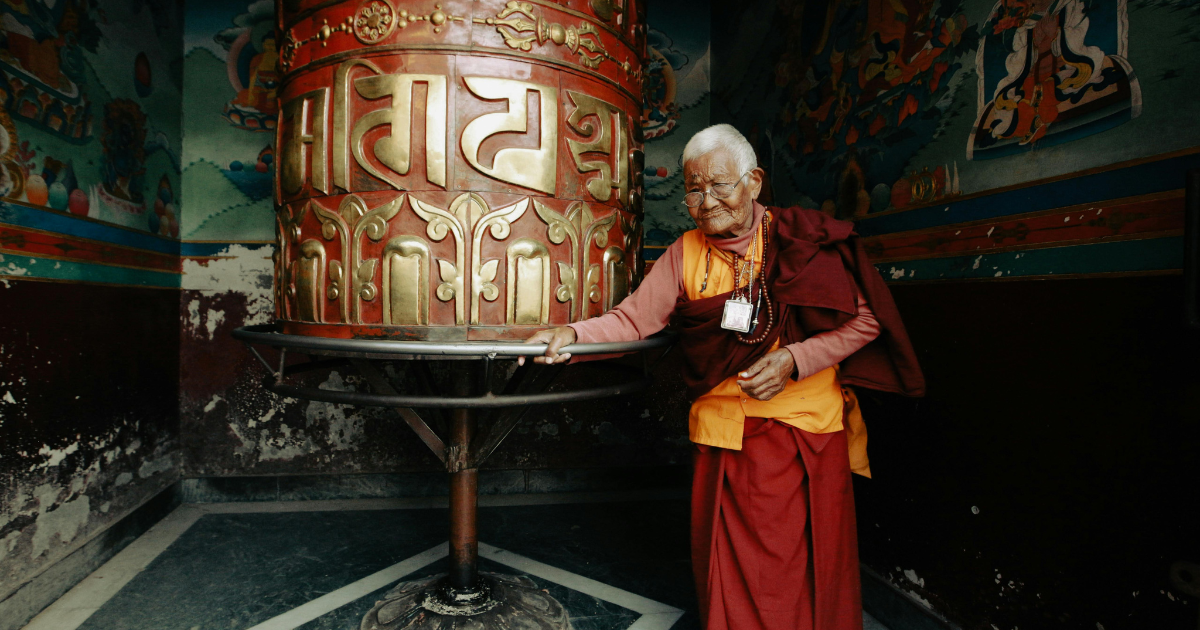
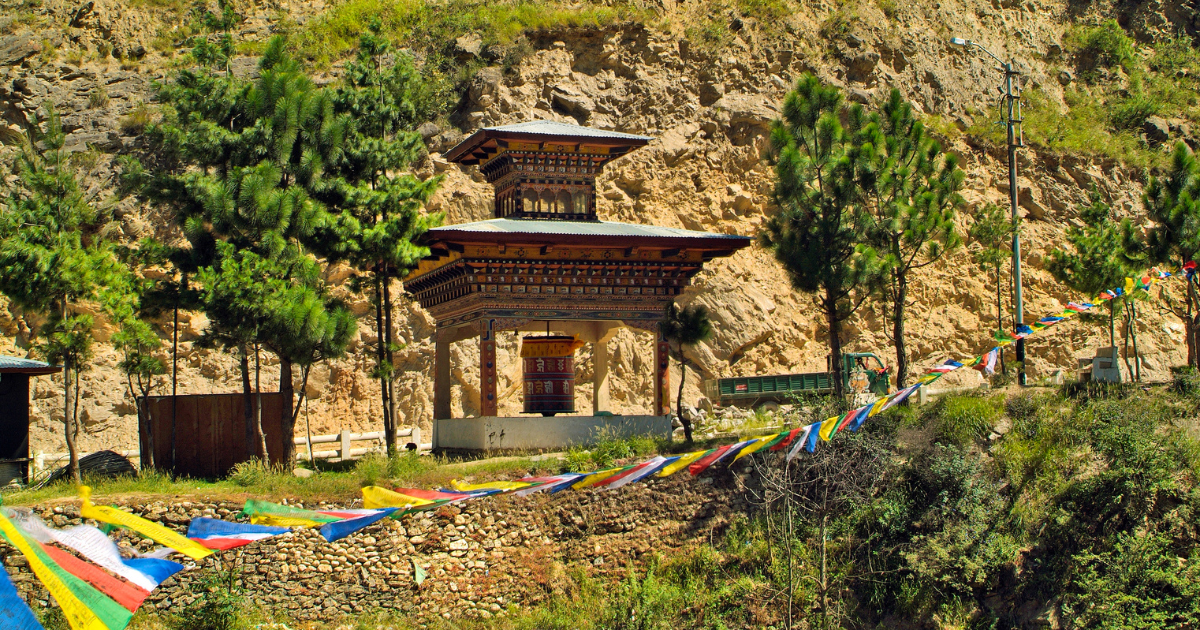
But there’s another Bhutan, too – the one hinted at by the prayer flags strung across gorges and fluttering on every hillside.
It’s where irreverent humour meets deeply held beliefs, and epic landscapes and slow journeys create room for quiet awe. In this Bhutan, you can enhance your well-being, immerse yourself in wonder and embark on exhilarating adventures.
Perfect for a mix age group family holiday with activities for all and a few optional treks for those up for an adrenaline rush.
Punakha
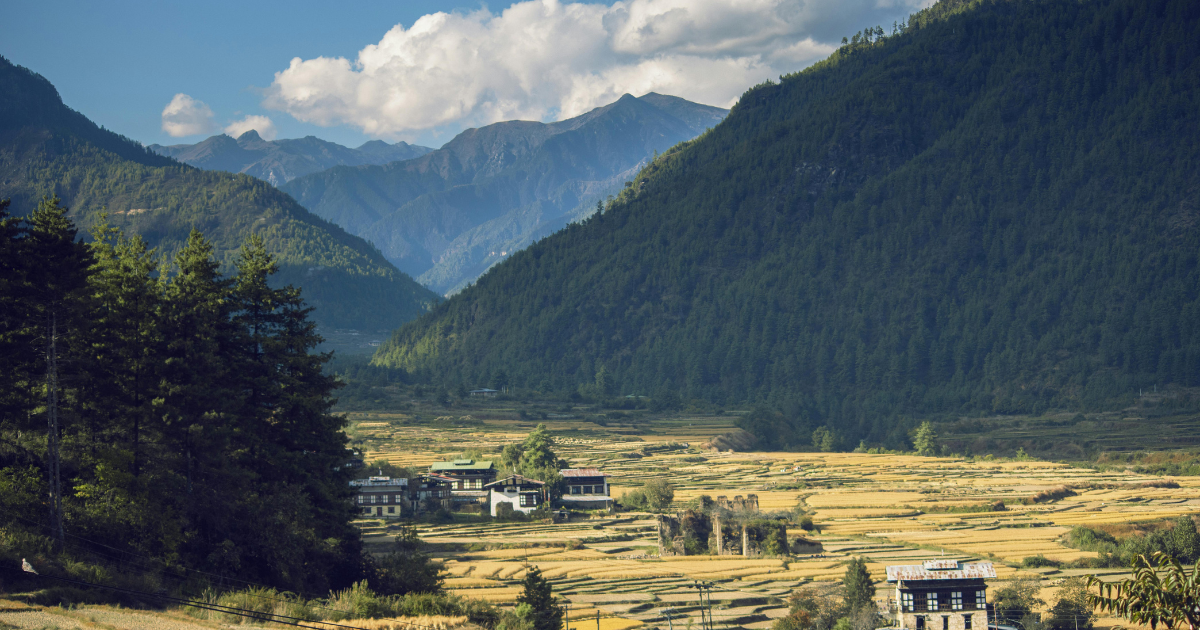
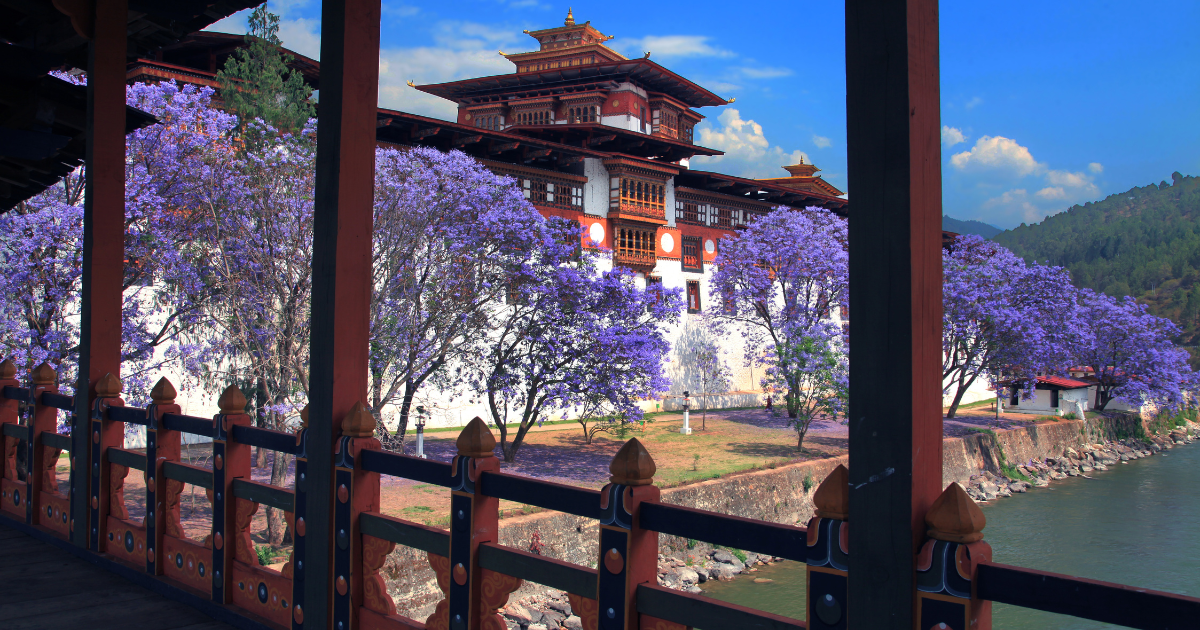
Punakha is a charming town nestled in the eastern Himalayas of west-central Bhutan, set at an elevation of around 5,000 feet (1,500 metres), where several streams converge to form the Sankosh River. Founded in 1577, it was once the capital of Bhutan and remains steeped in history. Its grand old dzong (fortress) stands majestically on a promontory between the Pho and Mo rivers, the two tributaries of the Sankosh.
Paro
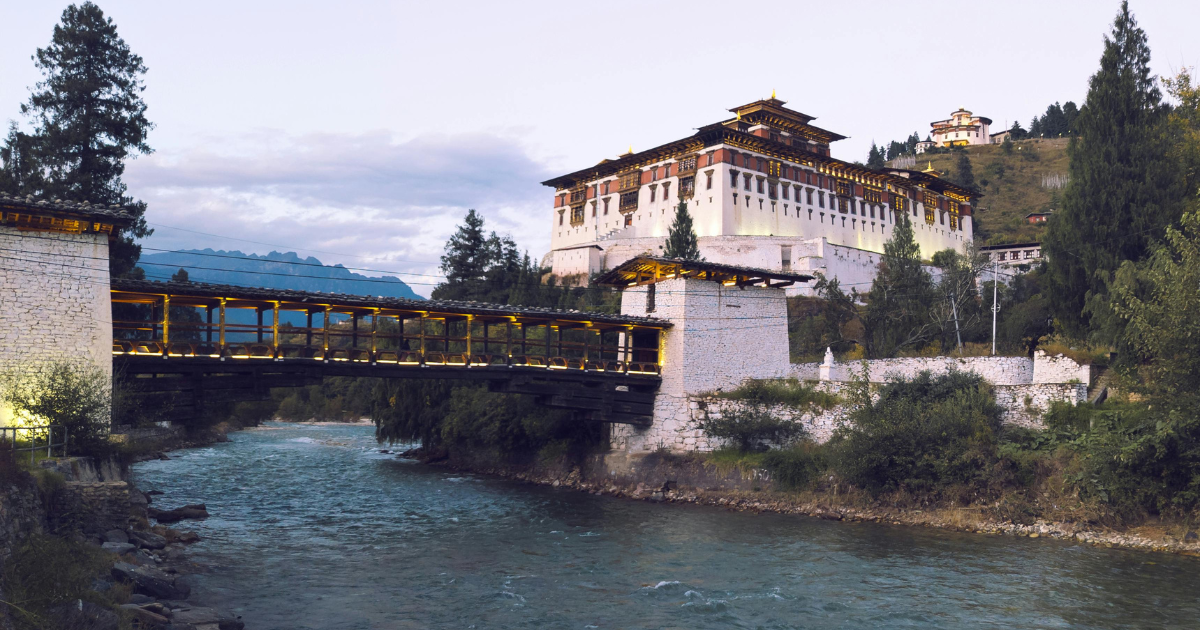
The Paro Chu (chu meaning river) flows southward from its watershed in the Chomolhari range, weaving its way through one of Bhutan's most picturesque valleys. Perched on a rocky outcrop above the river, at an altitude of just over 7,000 feet, stands the magnificent Paro Dzong — historically one of Bhutan's strongest and most strategic fortresses, commanding sweeping views of the valley on both sides. Before the rebuilding of the Tashi Chho Dzong in Thimphu, it also served as the seat of the National Assembly.
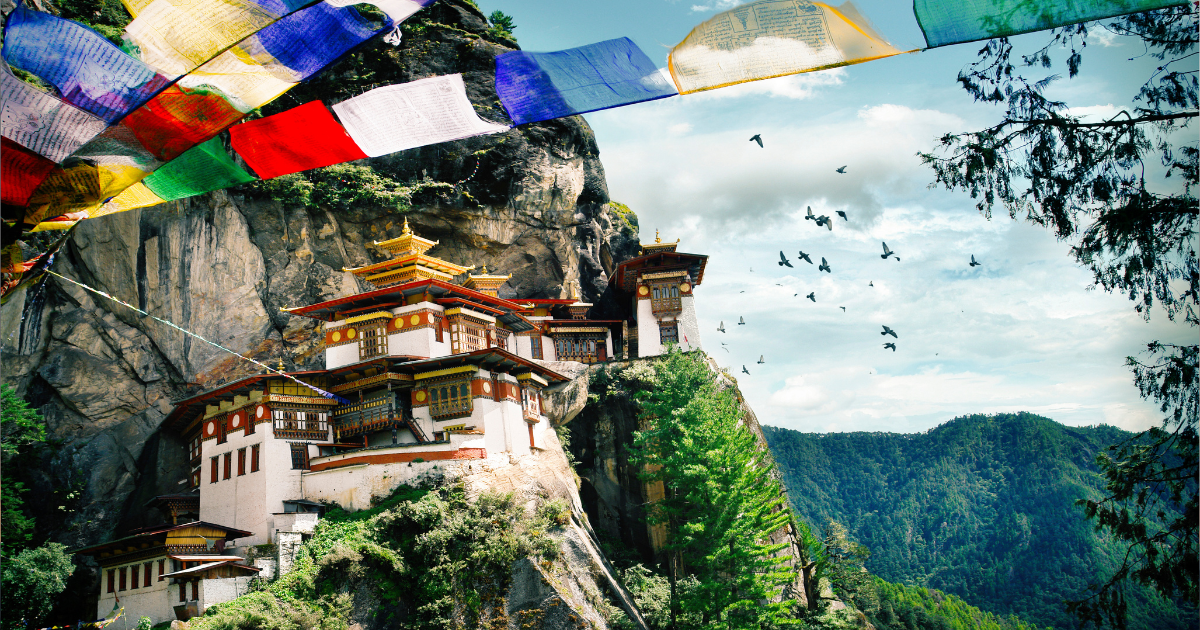
Paro itself is one of Bhutan's most enchanting valleys and remains among the country's most beloved destinations. Today, it is a charming town drawing travellers with its wealth of cultural treasures, serene monasteries and the iconic trek to the Tiger's Nest — a true bucket-list experience for many a journey through the kingdom.
Thimphu
Thimphu, the capital of Bhutan, is one of the world's most unique cities — where ancient tradition and modern life flow gently side by side. Set in a serene valley along the banks of the Wang Chhu river, it is home to majestic dzongs, sacred monasteries and lively markets, all framed by forested mountains. With its measured pace, deep-rooted Buddhist heritage and warm hospitality, Thimphu offers a wonderful introduction to the soul of the Kingdom.
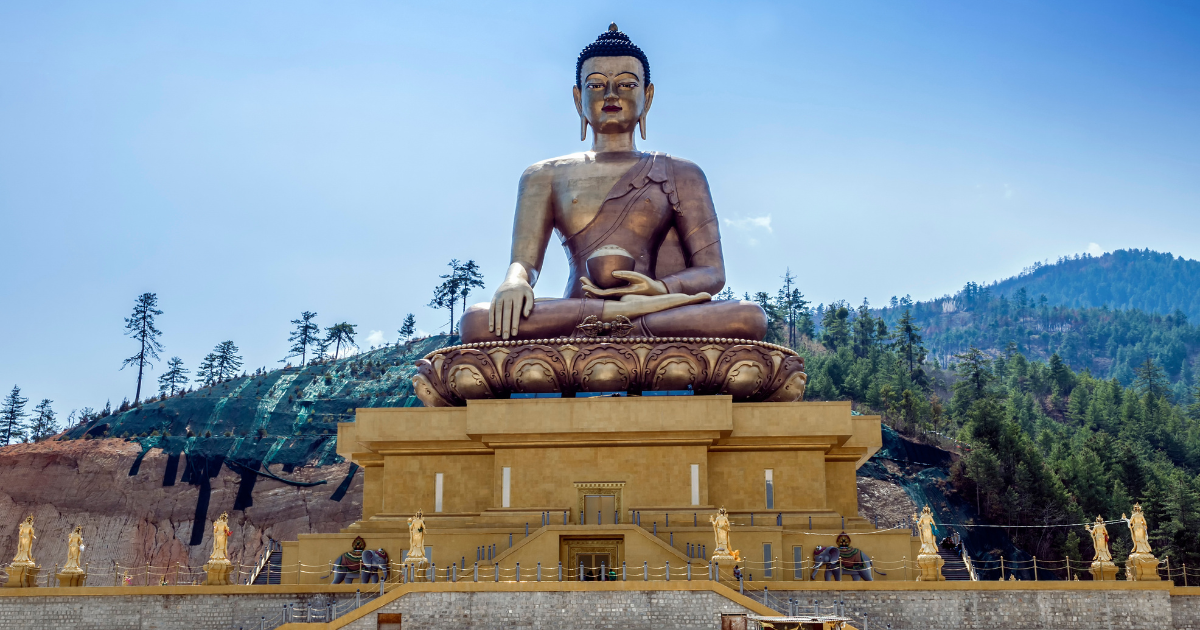
- Day 1 | Delhi – Paro – Thimphu Arrive at Paro Airport and drive 1.5 hours to Thimphu. After a short rest, spend the day exploring the city — from the towering Buddha Dordenma Statue to the Royal Textile Academy and the lively Craft Bazaar, with a hosted lunch at a local heritage restaurant.
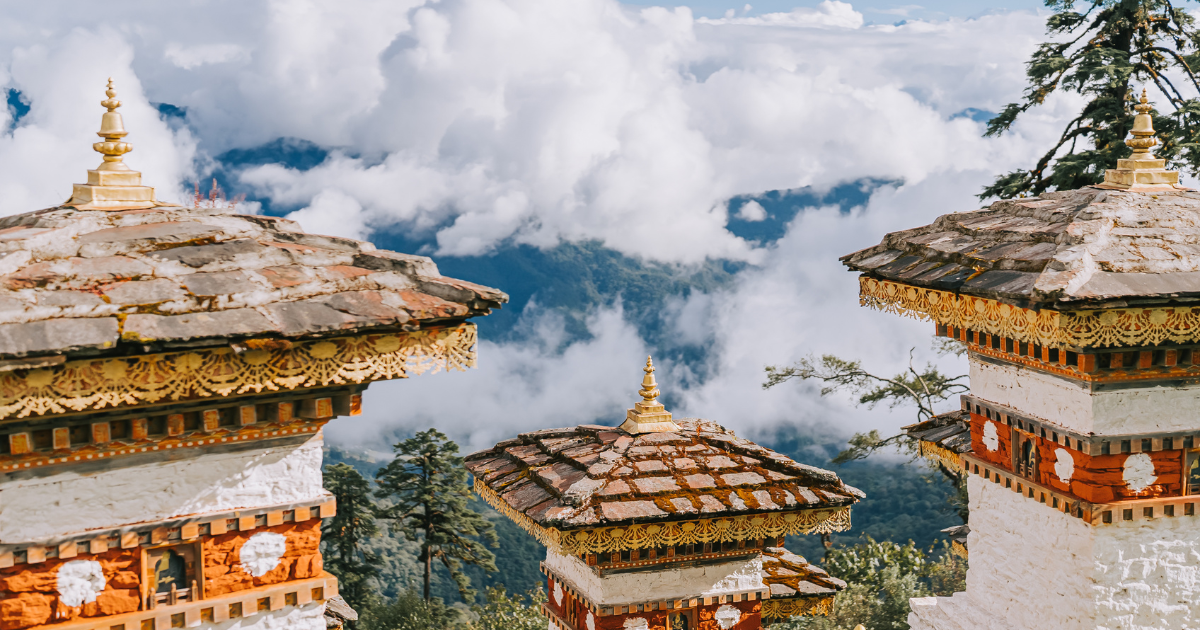
- Day 2 | Thimphu – Punakha Drive to Punakha, pausing at the spectacular Dochula Pass for coffee amidst the iconic 108 chortens. Continue on to Punakha, check in and unwind.
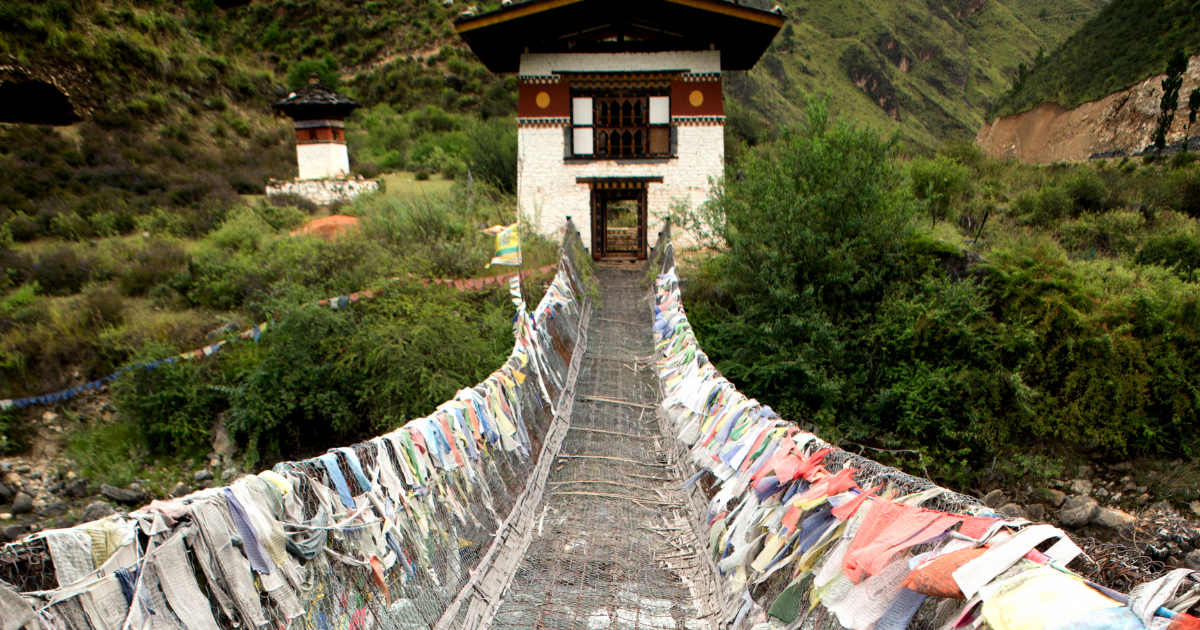
- Day 3 | Punakha A gentle morning walk, followed by a leisurely valley rafting experience with a picnic-style lunch. Visit the magnificent Punakha Dzong and end the day with a walk to the suspension bridge for sunset.
- Day 4 | Punakha – Paro Drive to Paro, with a lunch stop en route. On arrival, try your hand at the meditative tradition of Mandala art before settling in for a relaxed evening.
- Day 5 | Paro For trekkers: Hike to the iconic Tiger's Nest Monastery, clinging dramatically to a cliffside above the valley. For non-trekkers: A guided visit to Paro Dzong and Dumtshe Lhakhang, followed by lunch and time in Paro town. In the afternoon, indulge in a traditional Bhutanese hot stone bath, before gathering for a farewell dinner.
- Day 6 | Paro – Delhi Your guide and driver will see you off at the airport for your onward flight. Tashi Delek!
Activities & Experiences on this Journey
- Scenic Himalayan drives through some of Bhutan's most breathtaking landscapes
- A visit to one of the country's most iconic spiritual landmarks, with sweeping valley views
- A glimpse of Bhutan's unique wildlife and national animal
- Insights into traditional Bhutanese weaving and textile heritage
- Time at vibrant craft markets and local bazaars
- A hosted lunch offering warm cultural exchange
- A stop at one of Bhutan's most iconic mountain passes
- A gentle valley rafting experience paired with a picnic-style lunch — a family favourite
- Visits to magnificent dzongs and ancient temples of striking architectural beauty
- A sunset walk across one of Bhutan's longest suspension bridges
- Evening monastic prayers
- A hands-on Mandala art session
- A traditional Bhutanese hot stone bath
Winter (December to February) Bhutan in winter is crisp, clear and quietly magical. Days are bright and sunny with cool temperatures, while nights can be cold — particularly in higher reaches. This is one of the finest times for unobstructed Himalayan views, fewer crowds and a deeply atmospheric experience of the kingdom's monasteries and dzongs.
Spring (March to May) Spring is one of the most rewarding times to visit Bhutan, when the valleys come alive with rhododendrons, magnolias and wildflowers in full bloom. Temperatures are pleasantly mild, skies are largely clear, and the landscape is at its most lush — ideal for trekking, sightseeing and cultural festivals.
Autumn (September to November) Autumn brings clear blue skies, crisp mountain air and spectacular views of the Himalayas, making it the most popular season to travel. The post-monsoon greenery, golden paddy fields and a calendar full of vibrant tshechus (festivals) come together to create an unforgettable experience.
Guest Testimonial
“We had a lovely time and Karka and team were very attentive and helpful. Overall a fantastic trip and Mom coped very well too (and enjoyed herself as well)! Thank you for organising! The crew including the drivers and guides were outstanding!! They played a huge role in making our trip both comfortable and memorable.”