- Overview
- Itinerary
- Activities and Experiences
- Time to Travel
- Guest Testimonials
- Gallery
Embark on an unforgettable 14-day journey, through the heart of Northeast India — a thoughtfully curated blend of wildlife, culture and the spectacular Hornbill Festival across Assam and Nagaland.
In Assam, travel from the ancient temples of Guwahati to the tea gardens of Balipara, take in forest walks and river floats at Nameri, search for the one-horned rhino at Kaziranga, and explore Majuli — the world's largest river island and a stronghold of Vaishnavite culture.
The journey then crosses into Nagaland, where the historic village of Khonoma and the vibrant Hornbill Festival at Kisama bring the region's rich tribal traditions vividly to life through dance, music, ritual and craft.
Along the way, encounters with local communities, traditional meals and unique customs add intimate depth to the experience — leaving you with memories of a region still beautifully untouched, that linger long after the road has ended.
Kohima
The capital of Nagaland and the heart of the Angami Naga homeland, Kohima is a hill town steeped in history, culture and natural beauty. Set amidst pine-clad slopes, it serves as the gateway to the famed Hornbill Festival and the surrounding tribal villages.
Hornbill Festival
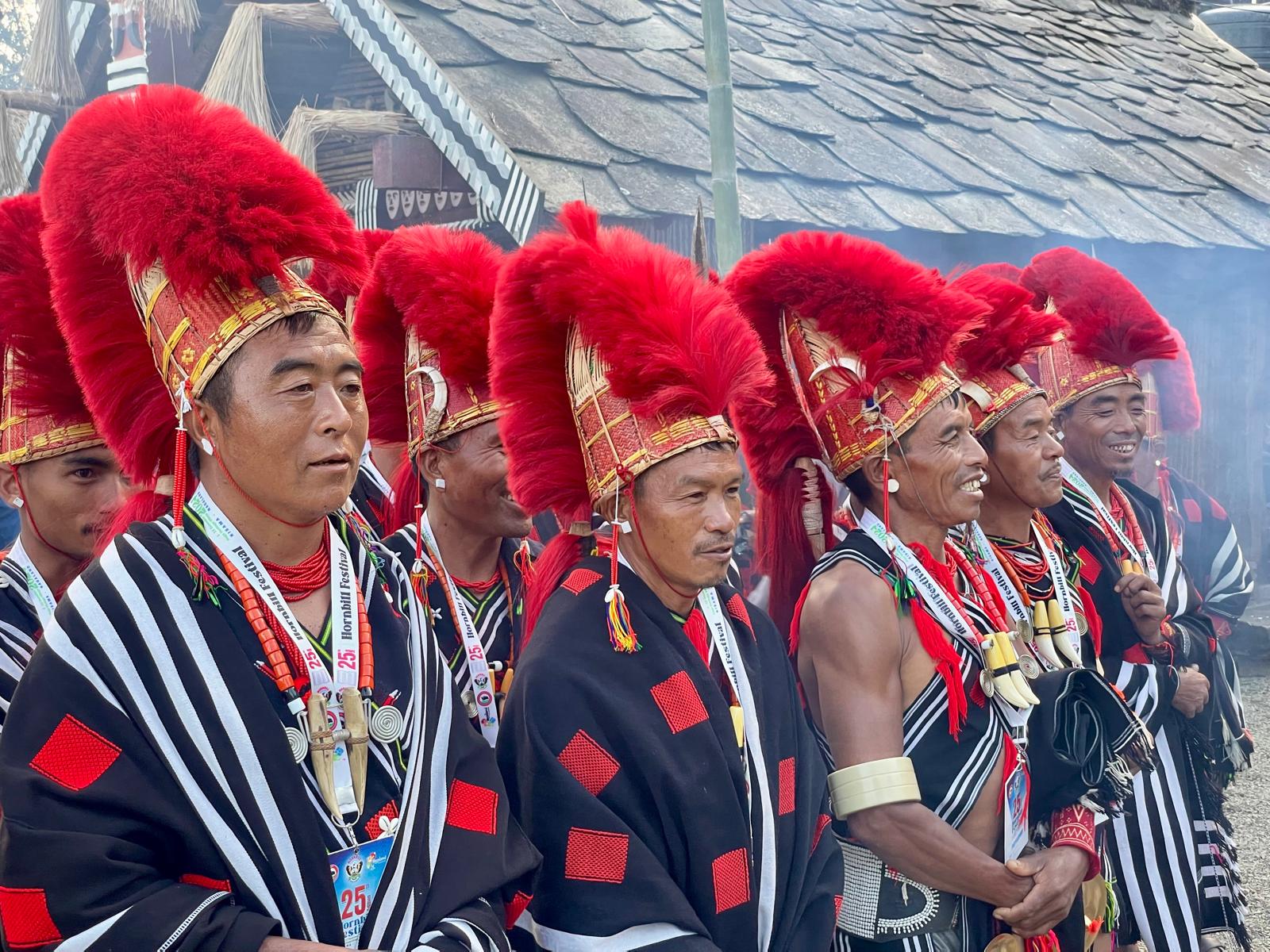
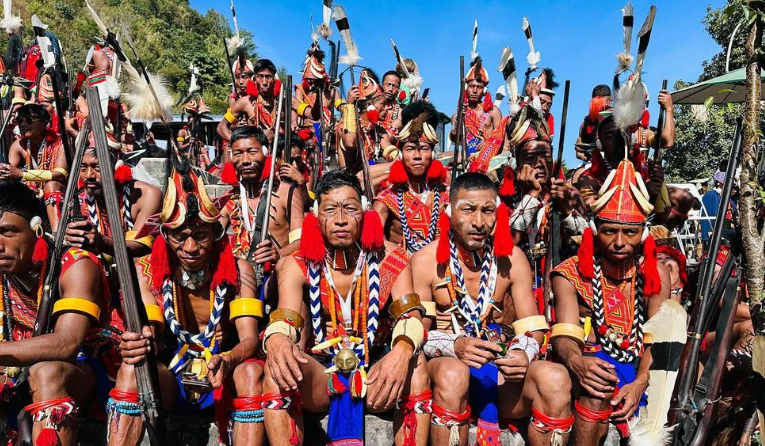
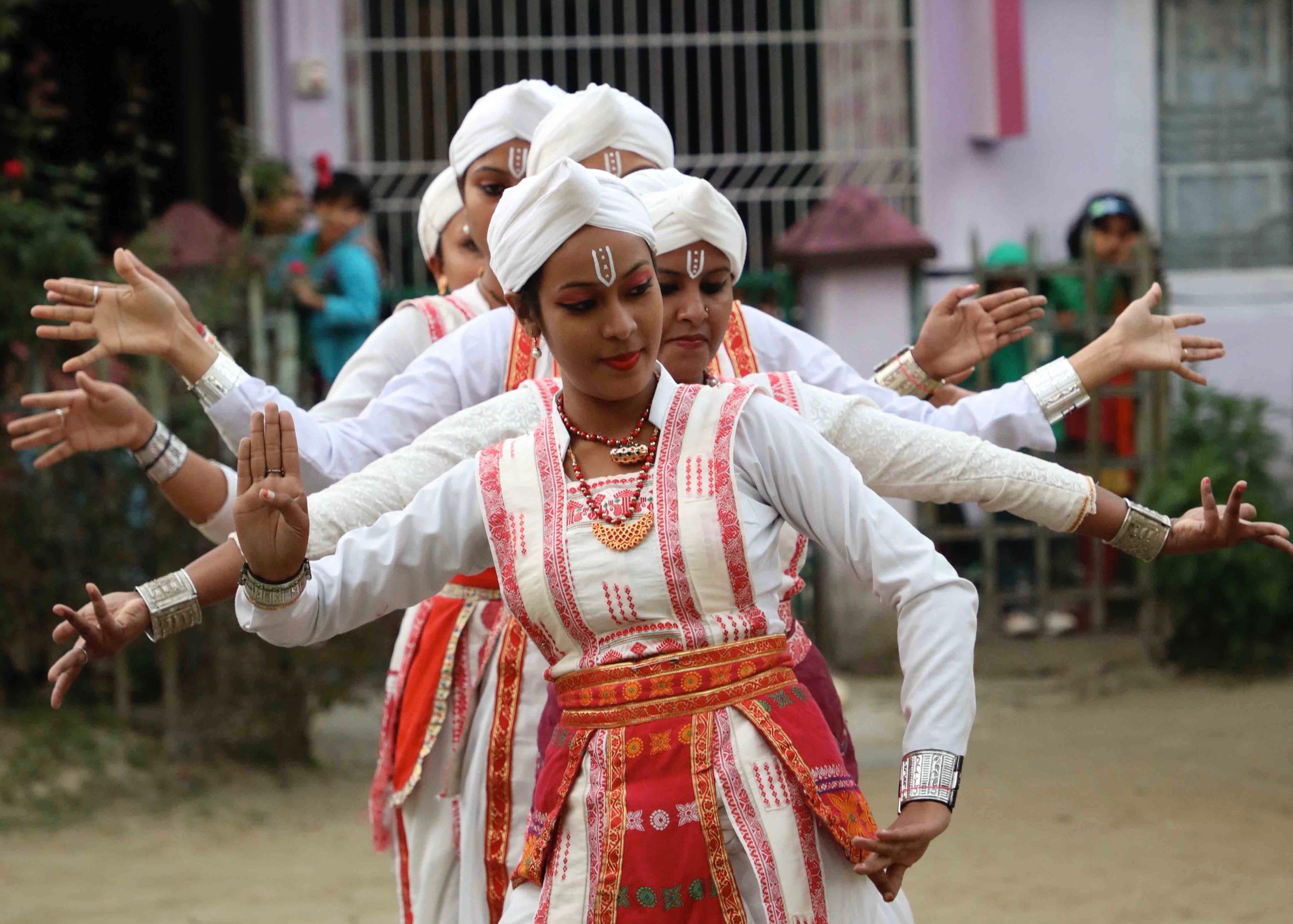
Held each December at Kisama Heritage Village, the Hornbill Festival is a vibrant ten-day celebration of Naga culture. Bringing together all of Nagaland's tribes, it showcases traditional dance, music, food, craft and ritual in one extraordinary gathering — a true window into the soul of the region.
Khonoma
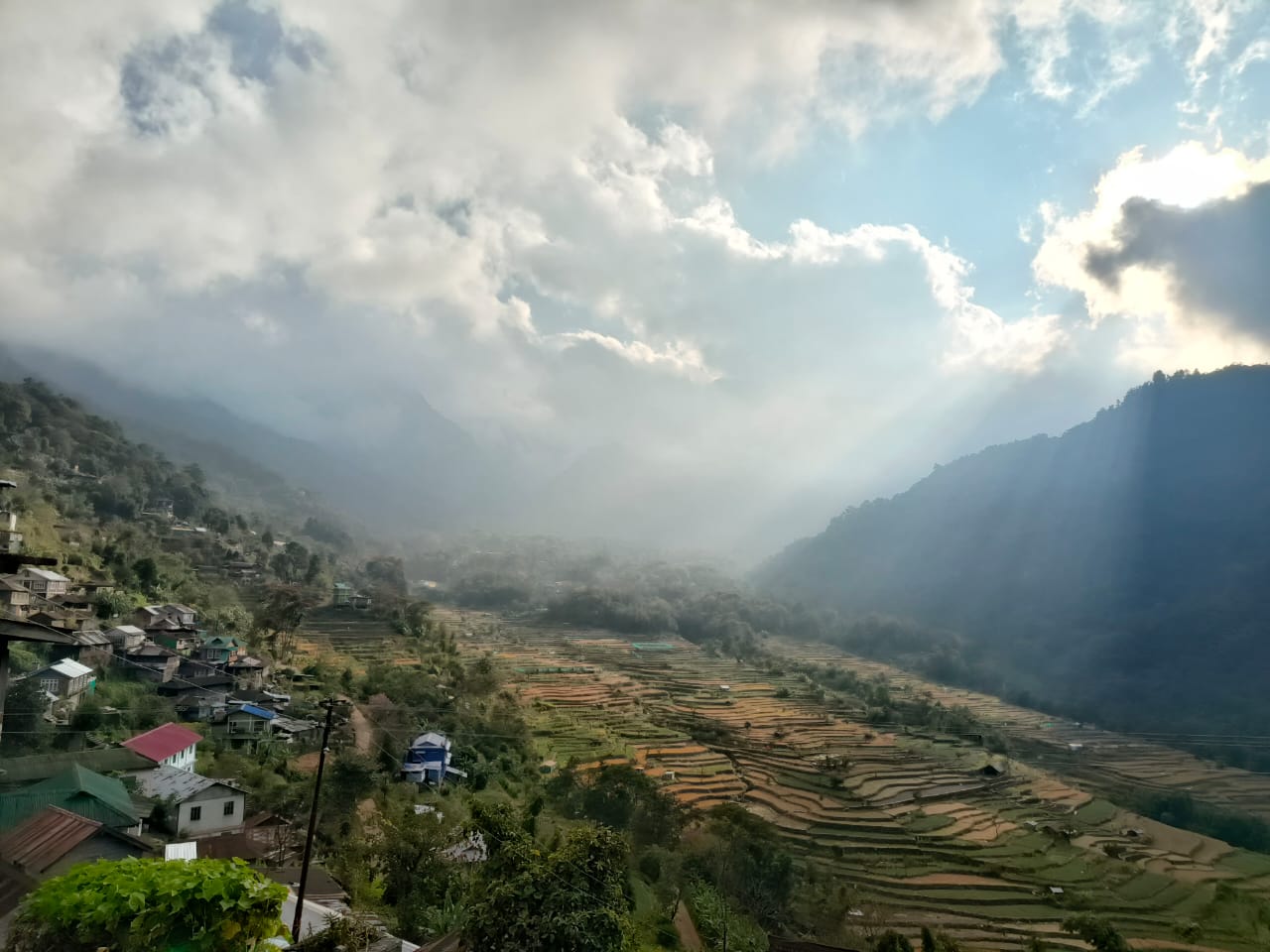
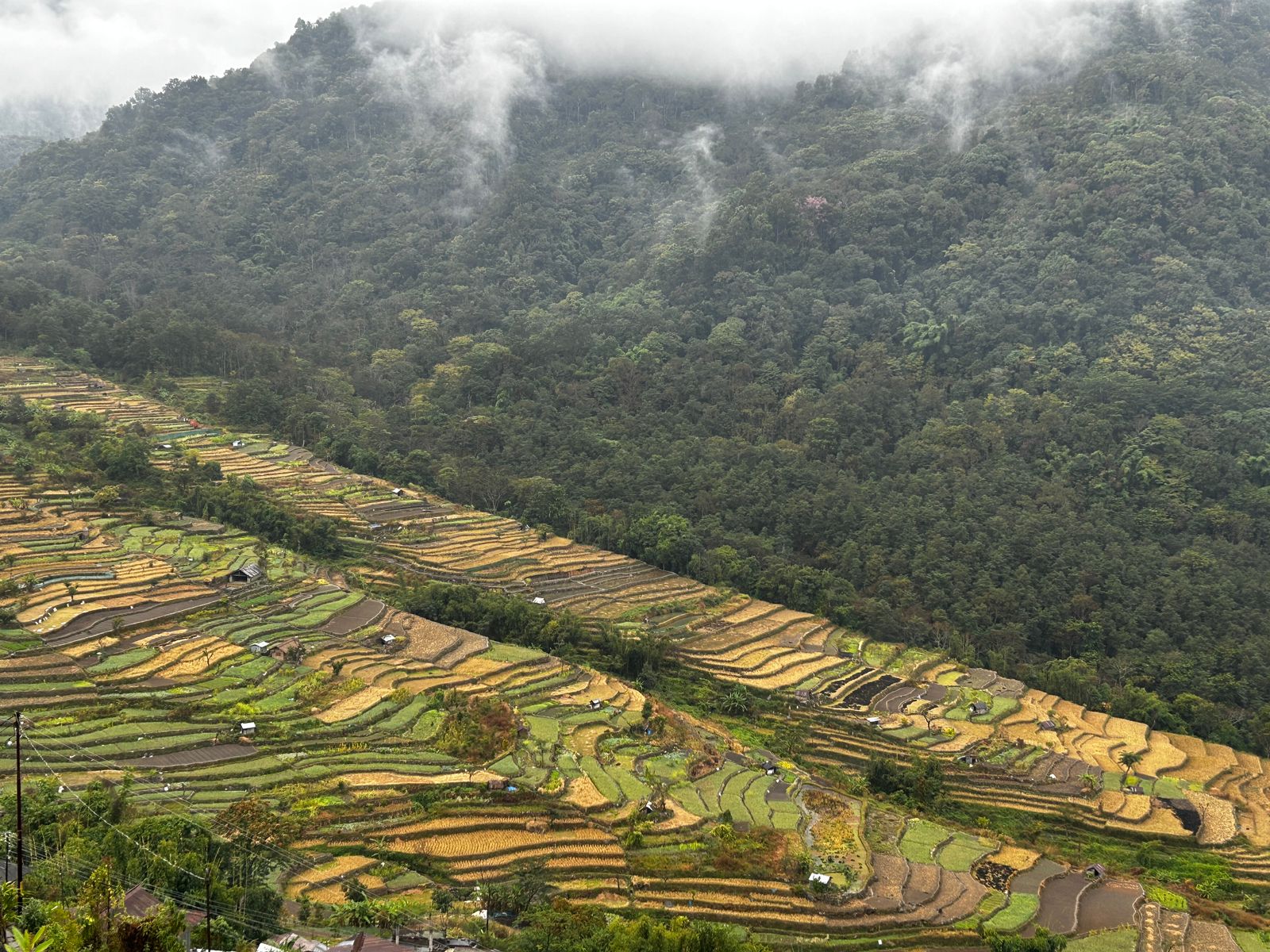
A historic Angami village set among terraced rice fields, Khonoma is celebrated as India's first green village. Renowned for its valour, sustainability and rich tribal heritage, it offers a glimpse into the deep-rooted traditions of Naga life.
Dimapur
The largest city in Nagaland and its commercial gateway, Dimapur blends modernity with traces of its ancient Kachari past. It serves as the entry point for most journeys into the state, with bustling markets and craft workshops worth exploring.
Nameri National Park
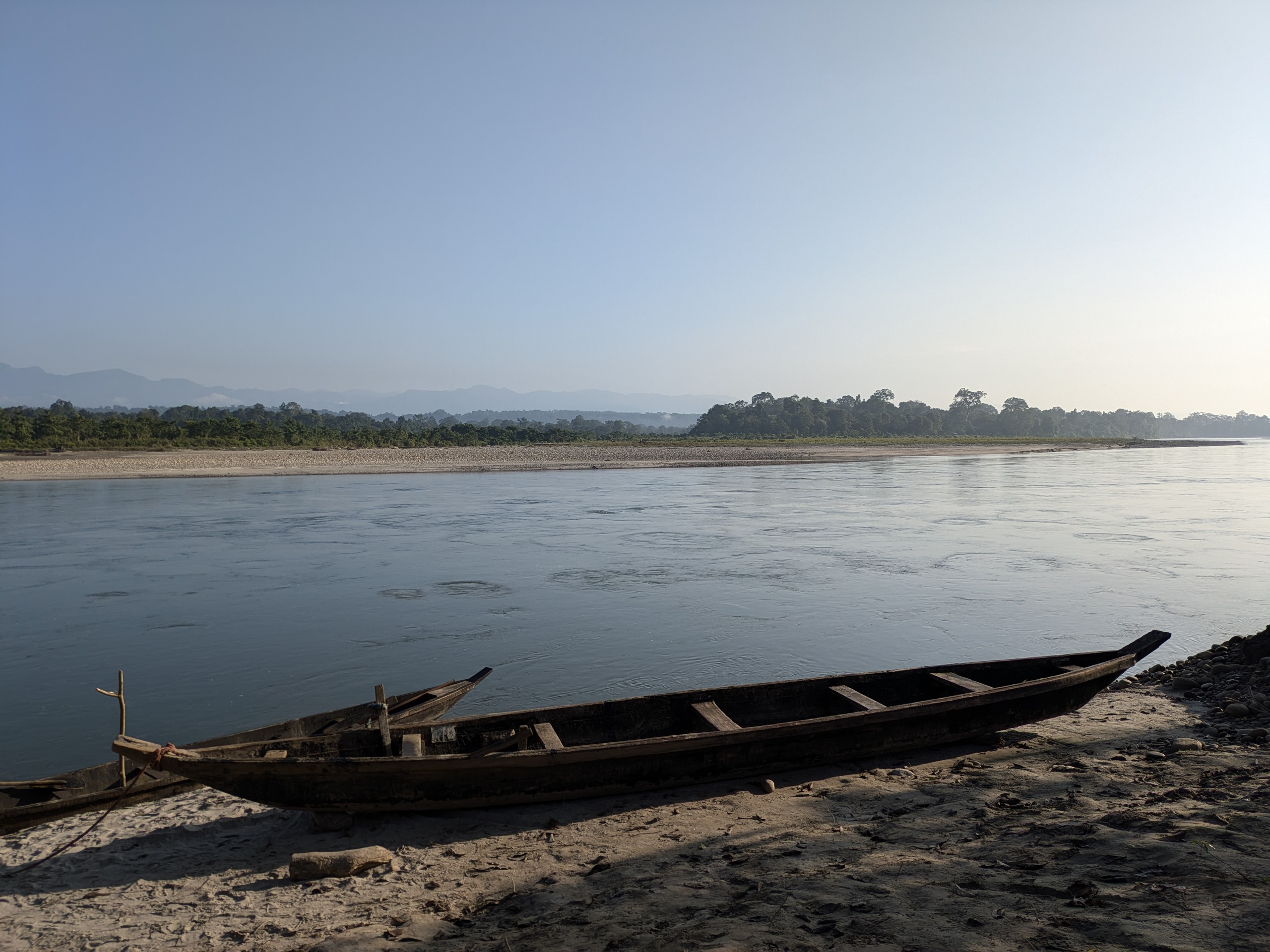
Tucked along the foothills of the Eastern Himalayas, Nameri is a haven for nature lovers — known for its pristine forests, rich birdlife and the gentle Jia Bhoroli River, ideal for forest walks and tranquil river floats.
Jorhat
Once the capital of the mighty Ahom dynasty, Jorhat is the cultural heart of upper Assam and the gateway to Majuli. Surrounded by sprawling tea estates, it is steeped in colonial heritage and remains synonymous with Assam's storied tea industry.
Kaziranga
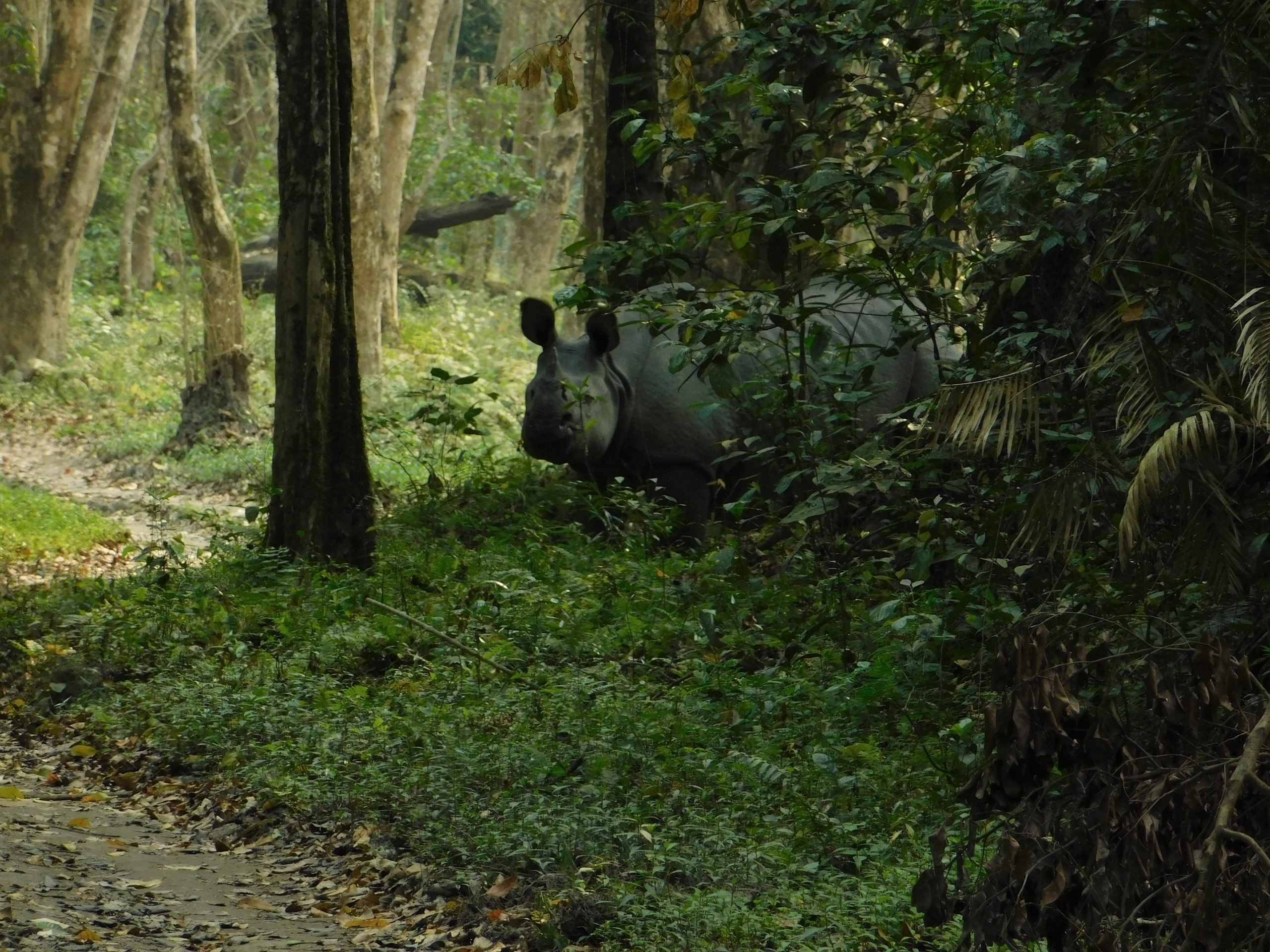
A UNESCO World Heritage Site along the banks of the Brahmaputra, Kaziranga is home to the world's largest population of the one-horned rhinoceros, alongside elephants, wild buffalo and elusive Royal Bengal tigers — the wild heart of Assam.
Majuli Island
One of the world's largest river islands, set within the mighty Brahmaputra. Majuli is the spiritual cradle of Assam's neo-Vaishnavite culture, home to ancient monasteries, traditional craft and the warm communities of the Mishing tribe.
- Day 1 | Delhi – Guwahati Arrive in Guwahati and meet your guide. Begin with a guided walk around the centuries-old Kamakhya Temple, the heart of Tantrism in India, followed by a visit to the Brahmaputra Heritage Centre. In the evening, enjoy a warm home-hosted dinner with a local family.
- Day 2 | Guwahati – Balipara Drive to Balipara (about 4.5 hours), with an en route stop at a workshop crafting lifestyle products from natural fibres like cane and water hyacinth. Arrive at Wild Mahseer for tea and a leisurely walk along the property's Botanic Ark Trail.
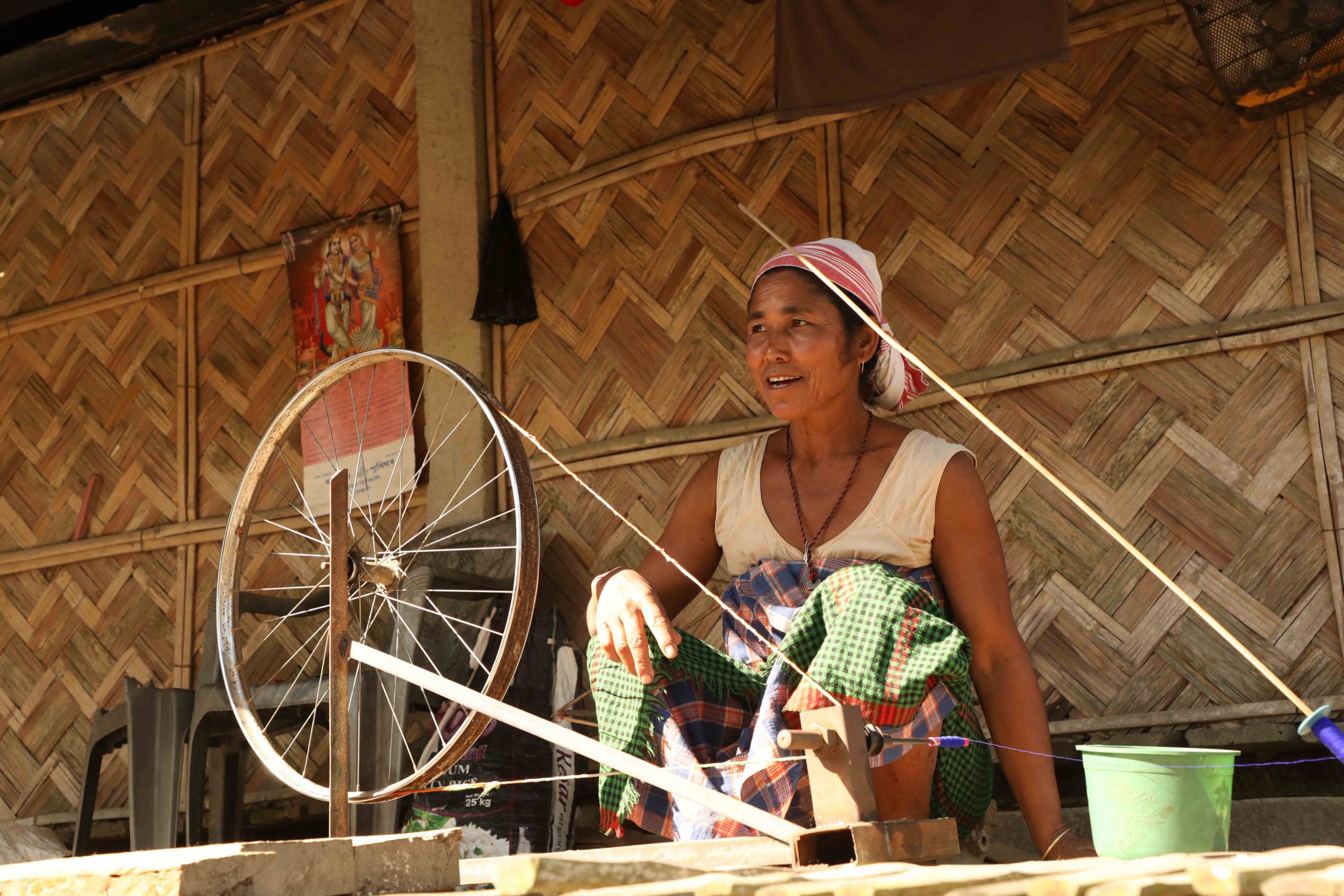
- Day 3 | Balipara Optional early morning walk through Nameri National Park with a naturalist. Mid-morning, set off on a 2-hour float down the Jia Bhoroli River, drifting past forests and farmland. Enjoy a traditional Mishing thali with rice beer for lunch, followed by a visit to a tribal village to meet local weavers.
- Day 4 | Balipara – Majuli A scenic drive and ferry crossing onto Majuli Island. Settle in and unwind, with a traditional rice beer tasting and home-cooked dinner with a Mishing family in the evening.
- Day 5 | Majuli – Jorhat Optional morning bicycle ride around the island. Visit one of the Vaishnavite Satras to learn about monastic life and witness the unique tradition of bamboo and mud mask-making. Catch the evening ferry to Jorhat.
- Day 6 | Jorhat – Kaziranga An early visit to the Hoollongapar Gibbon Sanctuary, home to the endangered Hoolock Gibbon and rich birdlife. Continue to the Kaziranga National Orchid and Biodiversity Park before driving on to Kaziranga.
- Day 7 | Kaziranga Begin with an eco-cultural walk through a Karbi village, followed by a memorable rustic Karbi lunch cooked in bamboo. In the afternoon, head out on a jeep safari into Kaziranga National Park.
- Day 8 Kaziranga Two safaris in different zones of the park — at dawn and in the afternoon — offering the best chance of spotting the famed one-horned rhino, elephants, swamp deer and birdlife. Free time in between to relax or browse local markets.
- Day 9 | Kaziranga – Dimapur Drive to Dimapur, the gateway to Nagaland. Visit the Heirloom Naga workshop for a guided look at exquisite textiles, weaving and cane craft, with time to shop at their in-house store.
- Day 10 | Dimapur – Khonoma – Kohima Drive to the heritage village of Khonoma for a guided walk with a local host. Continue to Kohima and head straight to the Hornbill Festival grounds for the evening's inaugural performances.
- Day 11 | Kohima – Kisama Heritage Village Spend the full day at the Hornbill Festival at Kisama. Arrive early to see the performers in traditional attire, sample local cuisine, browse the handicraft pavilions and return for the evening showcases. End the day with dinner and live music at a local café or campsite.
- Day 12 | Kohima – Mima Village – Hornbill Festival Visit the State Museum for a deeper understanding of Naga tribal culture, then drive to the Thawuzu Bee Farm near Mima Village — home to a unique tradition of underground beekeeping. Enjoy a honey tasting and a gentle walk through the paddy fields. Return to the festival grounds for further exhibitions and an evening performance.
- Day 13 | Kohima – Dimapur Airport – Departure After breakfast, transfer to Dimapur Airport for your onward flight to Kolkata or Delhi, bidding farewell to your guide and driver as you depart.
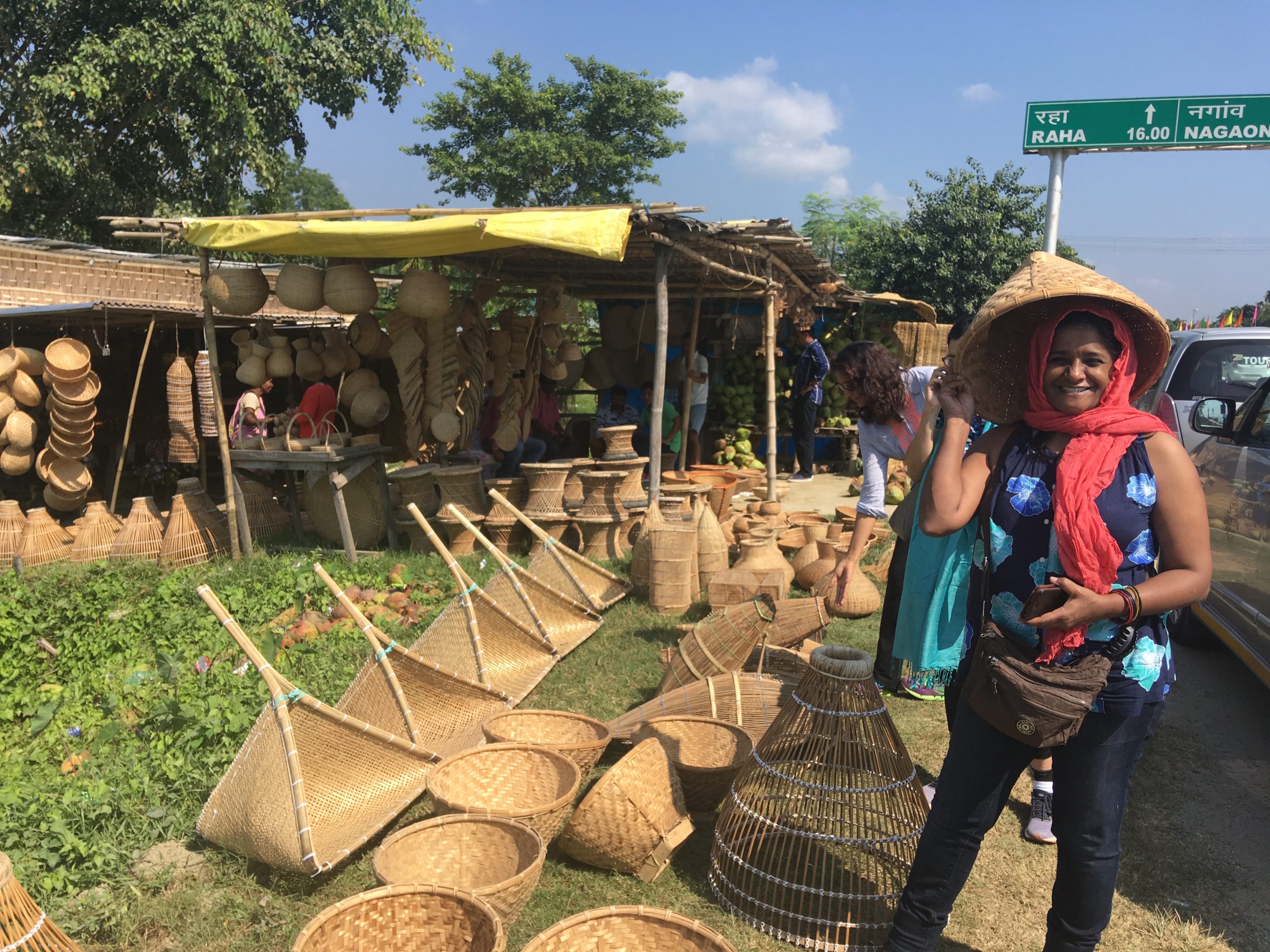
Activities & Experiences on this Journey
- Guided walks through ancient temples and centuries-old spiritual sites
- Warm, home-hosted dinners with local families for authentic cultural exchange
- Visits to artisan workshops crafting lifestyle products from natural and indigenous fibres
- Stays at heritage tea estates with curated nature trails and botanical walks
- Morning walks through pristine national parks with naturalists and forest rangers
- Scenic river floats through forested landscapes and rural farmland
- Traditional tribal meals and rice beer tastings in local homes
- Cultural interactions with weaving communities and indigenous tribes
- Time on one of the world's largest river islands, exploring sacred monasteries and traditional craft demonstrations
- Visits to wildlife sanctuaries home to rare and endangered species, including primates and prolific birdlife
- Exploration of orchid and biodiversity parks showcasing the Northeast's natural richness
- Eco-cultural walks led by local NGOs working on community and environmental restoration
- Multiple jeep safaris across different zones of a UNESCO-listed national park
- Visits to renowned textile and craft houses with live demonstrations of indigenous weaving
- Heritage walks through historic tribal villages with local hosts
- Full-day immersion at the iconic Hornbill Festival, including traditional performances, food stalls, handicraft pavilions and evening cultural showcases
- Visits to museums offering a deeper understanding of regional tribal heritage
- Encounters with unique traditional practices, including underground beekeeping and honey tasting
- Gentle walks through paddy fields and rural landscapes
- Evenings of live music and community dining
December brings crisp, dry weather across both Assam and Nagaland, with clear skies throughout the month.
In Assam, daytime temperatures range from 18°C to 25°C, dropping to around 10°C in the early mornings.
In Nagaland, expect cooler conditions, with daytime temperatures of 15°C to 20°C in the hills around Kohima and Khonoma, and evenings dipping to 5°C–8°C. Warm layers are essential.
Guest Testimonial
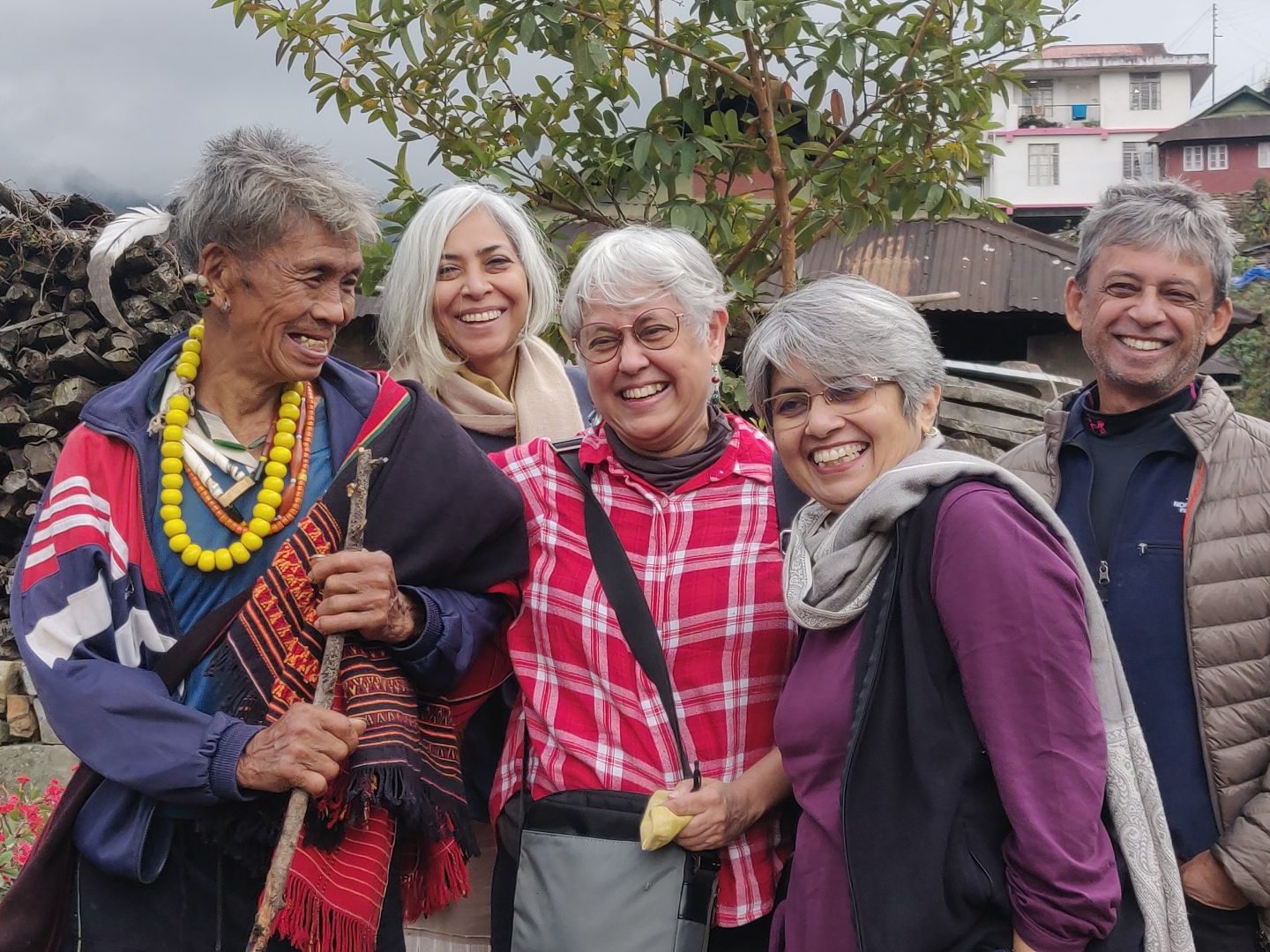
“Embarking on the Nagaland adventure, centred around the Hornbill Festival, local market escapades, mountain treks, and the Khonoma village stroll, was an absolute delight. The meticulous curation of each experience showcased a profound understanding of the region's essence. Gratitude extends to the fellow travellers, whose shared enthusiasm and camaraderie transformed this journey into a communal celebration. Special appreciation for our knowledgeable guides and the thoughtful selection of accommodations that seamlessly blended comfort with authenticity. This curated expedition surpassed expectations, weaving a tapestry of cultural immersion and natural beauty. Highly recommended for those seeking a profound and shared exploration of Nagaland's treasures. Special thanks to Julie.”