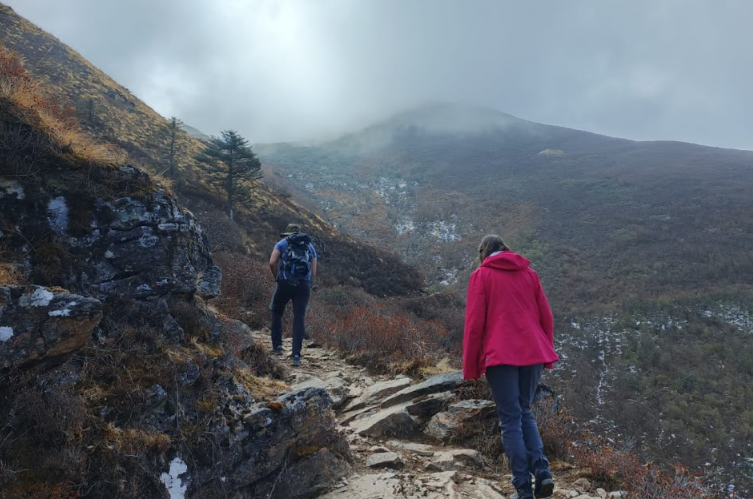
In a world obsessed with summits and personal records, the Eastern Himalayas whisper a different invitation—one that asks you to slow down, breathe deeply, and discover what lies beyond the pursuit of peaks. Trekking , walking, birdwatching, botanical trails,Rumbling on ancient trails.
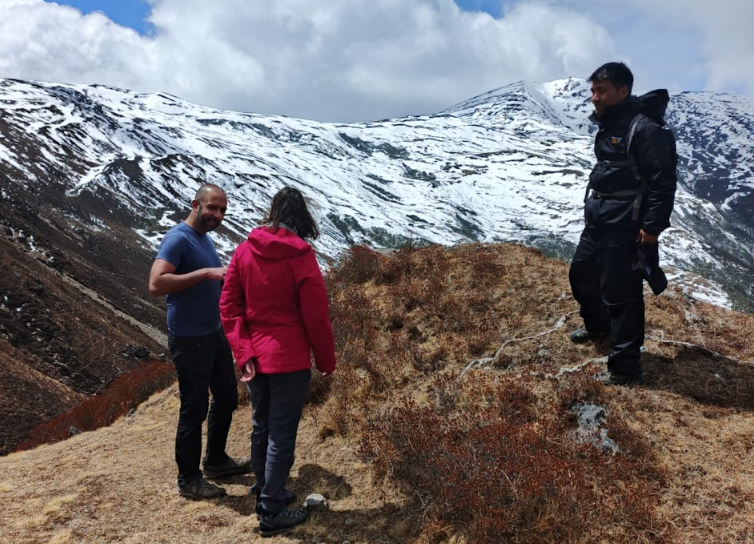
If you’ve spent years dreaming of trekking in the Himalayas, you’ve probably imagined Himachal Pradesh or Kashmir. Let me share a secret with you, India’s richest biodiversity, its most untouched trails, and its quietest valleys live somewhere else entirely –
Welcome to the Eastern Himalayas—a realm where ancient forests still hold secrets, where cultures run deeper than anywhere else in the mountains, and where every trail is yours to discover.
Discover What Lies Beyond the Summit
Here’s a question that might challenge everything you thought you knew about mountain trekking: Who said every mountain journey needs a summit?
For decades, the trekking world has been obsessed with conquering peaks, checking boxes, and reaching the highest point. But the Eastern Himalayas offer something radically different. They invite you to redefine what a mountain journey can be.
The most memorable treks in this region aren’t about standing triumphantly at a summit. They’re about wandering through ancient forests where sunlight filters through canopies so dense they’ve remained unchanged for centuries. They’re about listening to birdcalls you’ve never heard before—the haunting song of the Himalayan wood owl, the cheerful chirp of the Himalayan bulbul, the rare calls of species found nowhere else on Earth.
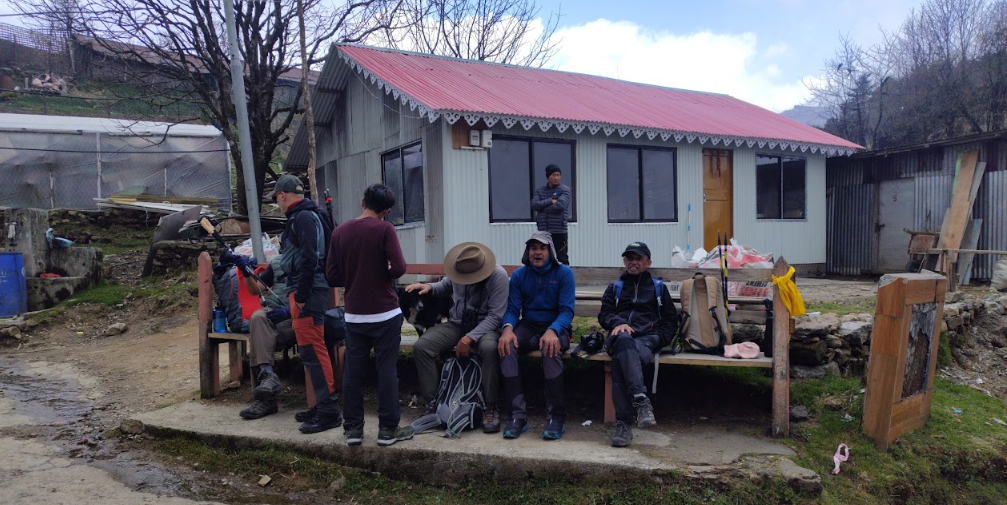
They’re about sharing quiet stories over warm, local meals prepared by families who have lived in these mountains for generations. Stories exchanged over steaming cups of butter tea, over rice and lentils cooked with herbs from the forest floor, over moments of genuine human connection that transcend language.
Most importantly, they’re about waking up in a place where the mountains set the pace, not your watch. Where you move when the light is right, rest when your body asks for it, and experience the landscape on its terms.
This is the philosophy of trekking in the Eastern Himalayas. Not conquest. Connection.
Breathe. Move. Exist at Nature’s Pace
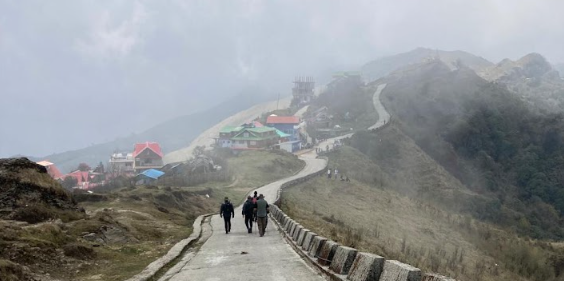
The mountains don’t hurry. They’ve been standing for millions of years, and they’re in no particular rush to impress you. Flowers bloom exactly when they’re ready,Birds sing without needing an audience or a camera to capture their performance. Mushrooms appear silently overnight, transforming the forest floor into a landscape of wonder. Frost forms on alpine meadows at its own pace, painting the world in silver and white.
When you trek through these mountains, you begin to understand that maybe travel should feel like that too. Maybe the goal isn’t to see everything, but to truly see something. Maybe the point isn’t to cover distance, but to cover it with intention and presence.
This is the art of slow travel—and the Eastern Himalayas are the perfect classroom.
When you slow down, you notice things. You hear the rustle of a red panda in the underbrush. You spot an orchid blooming in a hidden crevice. You watch the light change across a valley, painting it in a dozen different shades of green and gold. You have conversations with local guides that reveal the deep knowledge they carry about the forest, the seasons, and the rhythms of mountain life.
You breathe. You move. You exist. And in that existence, you find something you didn’t even know you were searching for.
Witness Transformation: The Same Trail, Infinite Seasons
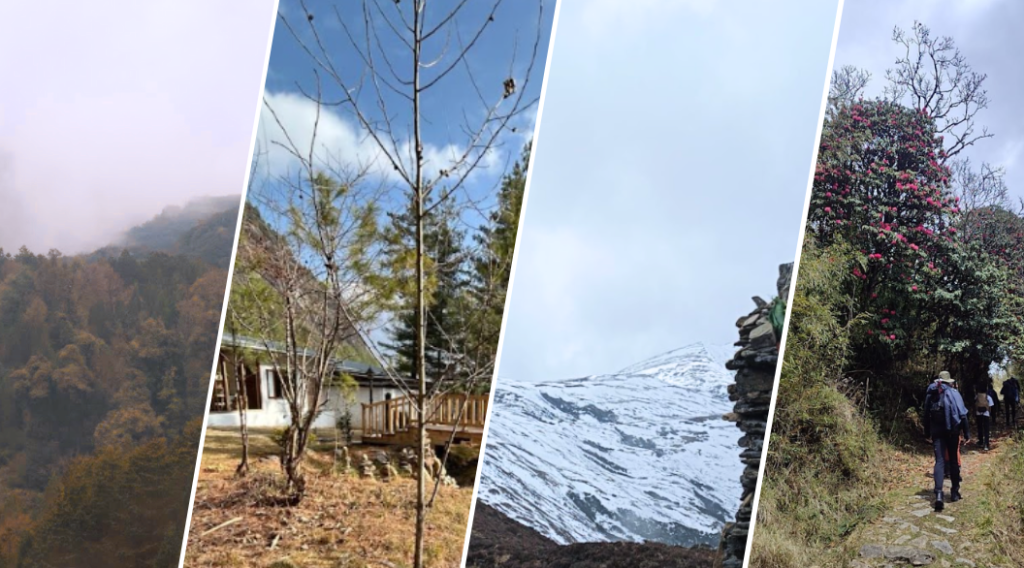
Here’s something magical about the Eastern Himalayas that most trekkers don’t realize until they return for a second visit: the same trail never looks the same twice.
In this region, time isn’t measured in days or weeks. It’s measured in colors, in blooms, in the subtle transformations that the landscape undergoes as the seasons turn.
September and October bring the first hints of autumn. Mushrooms of every shape and size emerge from the forest floor—some delicate and umbrella-like, others bold and crimson-red. The leaves begin their transformation, painting the hillsides in shades of amber, rust, and gold. The air becomes crisp, and the light takes on a quality that photographers dream about.
November and December strip away the excess and reveal the bones of the mountains. Crystal-clear blue skies stretch endlessly overhead. Frost forms on alpine meadows, creating landscapes that look like they’ve been dusted with diamonds. In higher elevations, snow begins to fall, transforming the world into something from a fairy tale. The air is so clear that you can see for miles—peaks that were hidden in mist suddenly emerge on the horizon.
January and February are the quietest months, when few trekkers venture into the mountains. But this is when the rhododendrons begin their slow awakening. The first blush of color appears on the branches—a promise of what’s to come. The forests are peaceful, almost meditative. You might trek for hours without seeing another soul.
March and April explode with color. The rhododendrons burst into full bloom—crimson reds, soft pinks, pure whites, and shades of purple that seem almost impossible. Wildflowers carpet the valleys. Orchids bloom in the trees. The entire landscape transforms into a living, breathing garden. The air fills with the sound of birds returning from their winter migrations. The world feels new again.
The same trail that you walked in October looks completely different in April. The same viewpoint that offered distant, hazy vistas in September reveals crystal-clear peaks in December. The same forest floor that was carpeted with mushrooms in autumn is buried under snow in winter and covered with wildflowers in spring.
This is the gift of returning to the Eastern Himalayas. Each season offers a completely different experience. Each visit reveals something new. The mountains are constantly teaching you, constantly showing you different facets of themselves.
Find What You Didn’t Know You Were Looking For
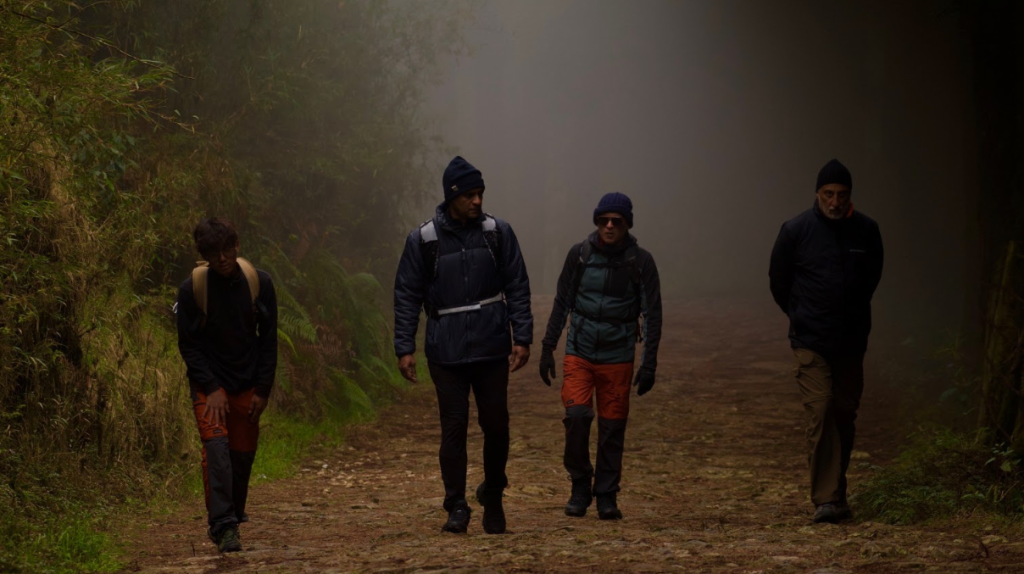
People come to the Eastern Himalayas for different reasons. And that’s the beautiful part—there’s room for all of them.
Some come for the challenge of the trails. They want to test their physical limits, to push themselves higher and farther than they’ve ever gone before. For them, the Eastern Himalayas offer trails of genuine difficulty—high-altitude passes, steep ascents, multi-day treks that demand everything you have.
Some come to seek out rare birds hidden in the canopy. These are the birdwatchers, the naturalists, the people who’ve spent years studying field guides and dreaming of spotting species found nowhere else on Earth. The Eastern Himalayas are a birdwatcher’s paradise—home to the Himalayan wood owl, the Himalayan bulbul, the rare Hoolock gibbon, and hundreds of other species that exist nowhere else.
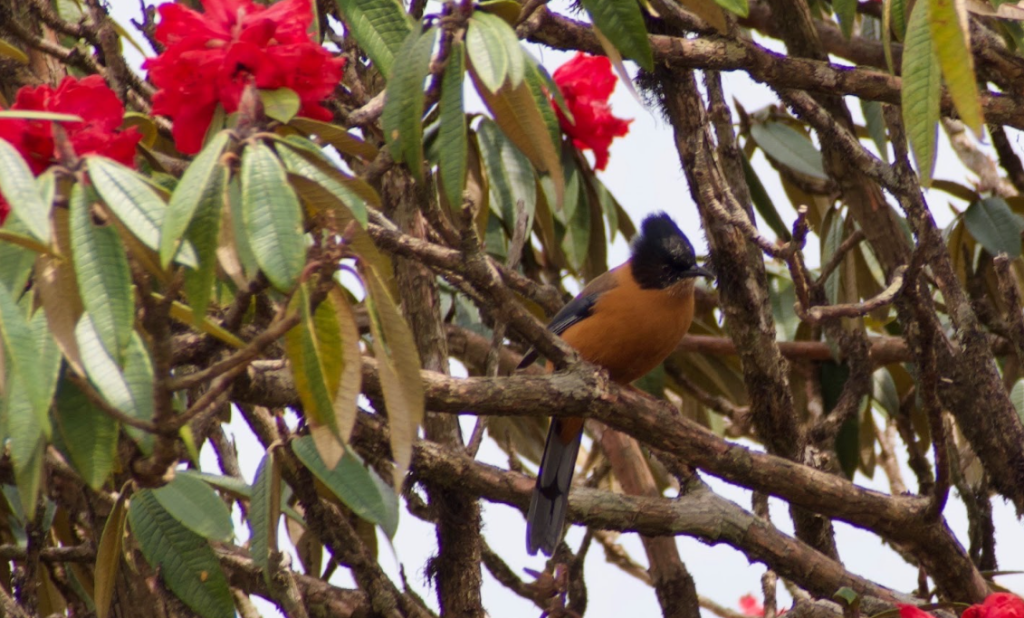
Some come to lose themselves in the ancient forests. They want to walk among trees that have stood for centuries, to breathe air that hasn’t been filtered through a city, to exist in a landscape that feels untouched by the modern world. For them, the dense forests of Meghalaya, Arunachal Pradesh, and Sikkim offer exactly what they’re searching for.
And some? Some simply come to breathe. They come to disconnect from the noise and chaos of their everyday lives. They come to reconnect with themselves, with nature, and with what it means to simply exist in a beautiful place. They come to heal.
The remarkable thing about the Eastern Himalayas is that they have room for all of these journeys. Whatever draws you to the mountains—whether it’s the physical challenge, the search for rare wildlife, the desire to lose yourself in nature, or simply the need to breathe—the Eastern Himalayas will give you more than you expected.
You might come for the trails and discover a passion for birdwatching. You might come for the wildlife and find yourself transformed by the silence of the forests. You might come to escape and end up discovering something essential about yourself.
This is the real magic of these mountains. They meet you where you are and take you where you need to go.
Uncover India’s Untouched Secret
The Eastern Himalayas span across multiple states, each with its own character and charm:
Arunachal Pradesh is the wildest, most remote region. Its rugged peaks and pristine valleys feel like they belong to another world. Trekking here means walking through virgin forests, crossing mountain passes that few have ever crossed, and experiencing a landscape that feels genuinely untouched.
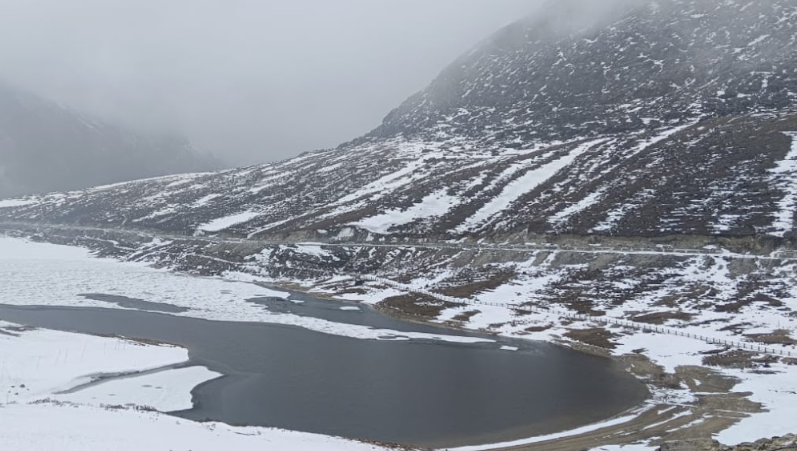
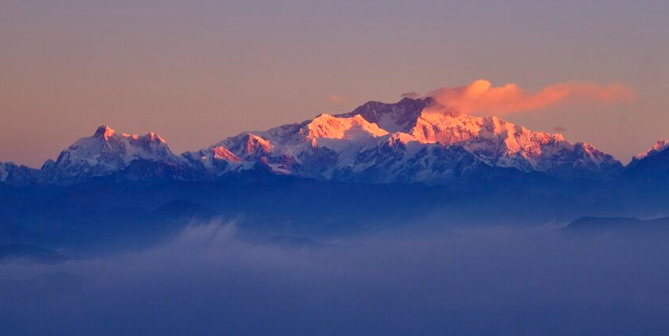
Sikkim is the gateway to the Eastern Himalayas, home to the magnificent Kanchenjunga and some of the most scenic trekking routes in the entire Himalayan range. Its biodiversity is staggering—51 different forest types exist within this small state.
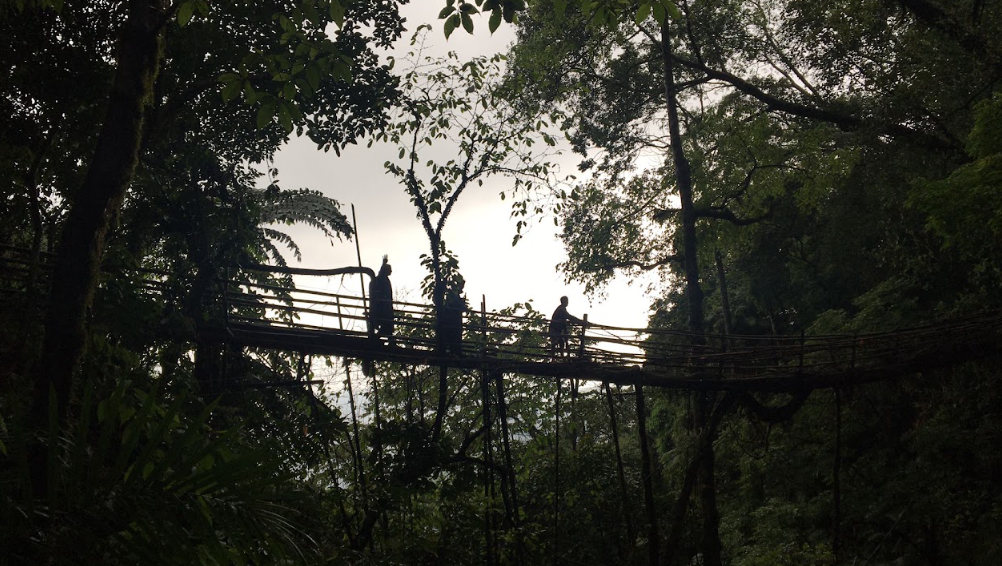
Meghalaya is known as the wettest place on Earth, and its living root bridges and lush forests offer a completely different trekking experience. Here, the landscape is sculpted by water, and the forests are so dense and green that they feel almost primordial.
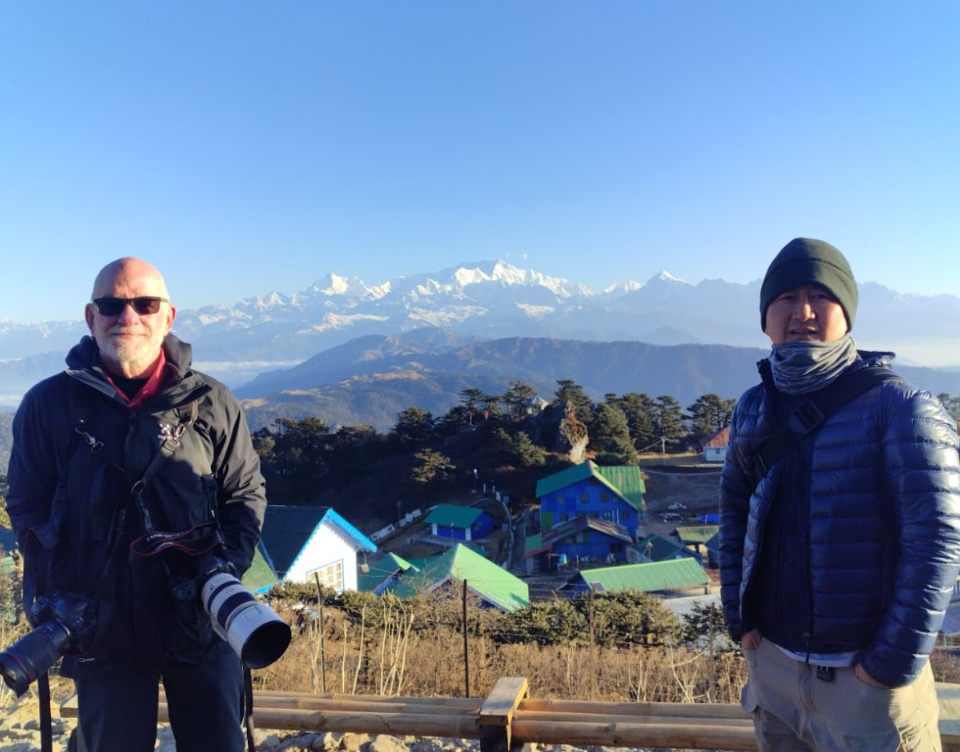
North Bengal offers the famous Sandakphu trek, which provides views of both Kanchenjunga and Mount Everest—a rare combination that few other places can offer.
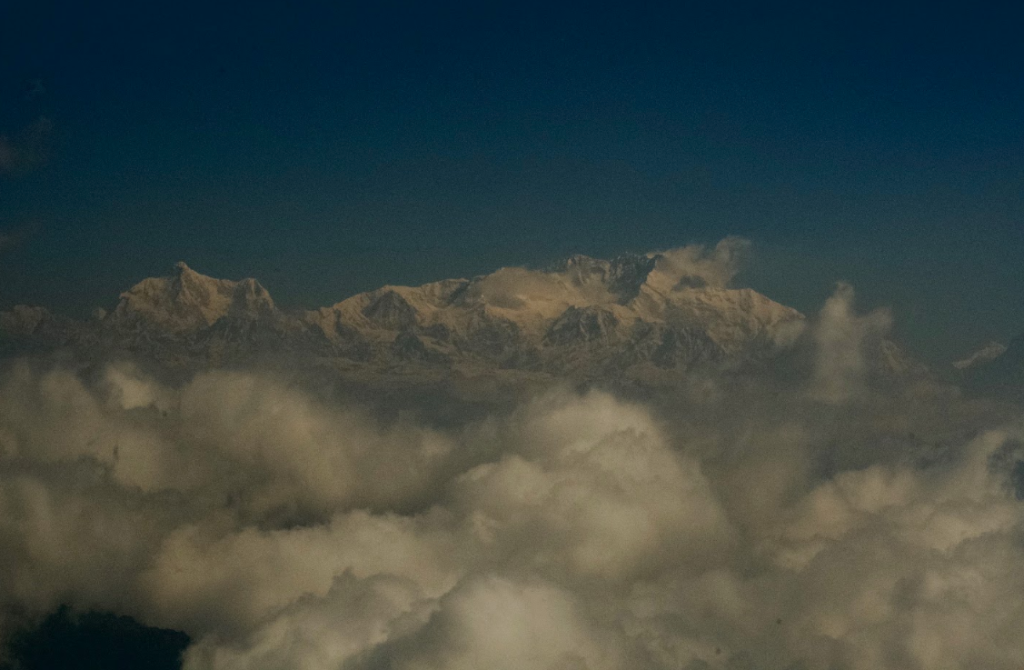
Nagaland and Mizoram are the frontier regions, where tribal cultures remain strong and the mountains feel genuinely remote. Trekking here means experiencing a side of India that few outsiders ever see.
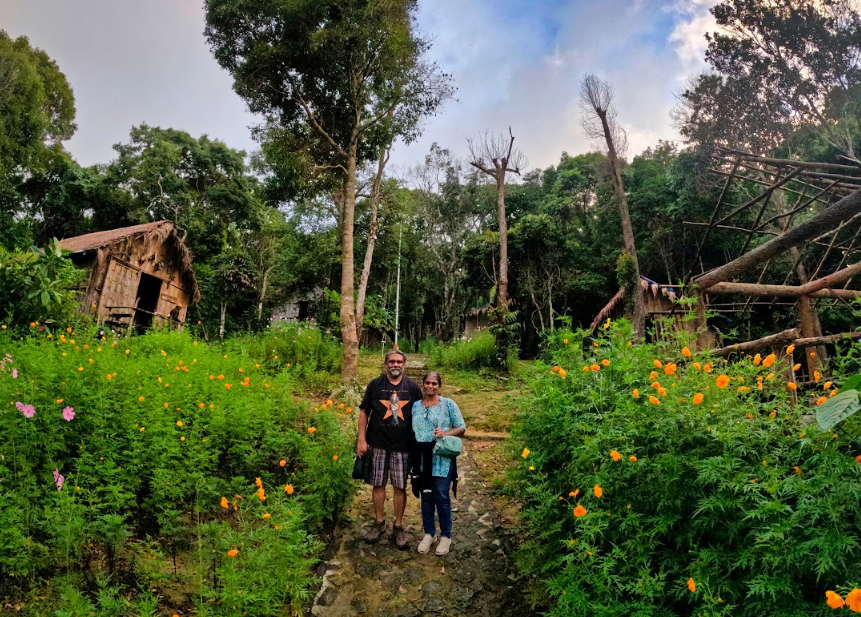
Together, these regions form one of the most ecologically important areas on the planet. The Eastern Himalayas are home to iconic wildlife that exists nowhere else—the one-horned rhinoceros, the royal Bengal tiger, the clouded leopard, the Hoolock gibbon, and the Asian elephant. They’re home to thousands of plant species, many of which have medicinal properties known only to the local communities who have lived here for centuries.
But beyond the statistics and the species lists, what makes the Eastern Himalayas special is the feeling of discovery. When you trek here, you’re not following in the footsteps of thousands of other trekkers.
The Invitation
The Eastern Himalayas are calling people who want more than just a vacation. They’re calling to the people who want transformation. They’re calling to the people who understand that the best journeys aren’t about reaching a destination—they’re about becoming someone new along the way.
They’re calling to you.
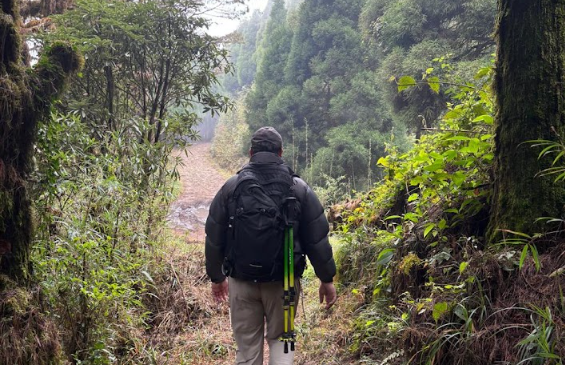
So when will you come? When will you walk these trails? When will you slow down enough to hear what the mountains are trying to tell you? When will you discover what lies beyond the summit?
Somewhere on a trail you haven’t walked yet, there’s an experience waiting for you that will change the way you see yourself and the world.
Walk the Eastern Himalayas. Don’t rush through them.
Your Eastern Himalayas Journey Awaits: Treks & Walks to Experience
The Eastern Himalayas offer trekking experiences for every level—from gentle walks through ancient forests to challenging high-altitude expeditions. Whether you’re a seasoned trekker or someone taking their first steps into the mountains, there’s a trail here that’s calling to you. Here are some of the most transformative treks and walks waiting to be discovered:
Singalila Ridge Trek
Location: West Bengal & Sikkim
Best Time: September to November, March to May
Duration: 7-8 days
Walk along one of the most iconic ridges in the Eastern Himalayas, where the landscape opens up to reveal panoramic views of Kanchenjunga, Everest, and a dozen other peaks. The Singalila Ridge Trek is a journey through changing ecosystems—from rhododendron forests to alpine meadows—where every step feels like you’re walking on top of the world. The ridge itself becomes a meditation, a place where you move between clouds and sky, between earth and heaven.
1000 Lake Dagala Trek
Location: Bhutan (accessible from Sikkim)
Best Time: September to October, April to May
Duration: 5-7 days
This trek lives up to its name—a high-altitude journey through a landscape dotted with glacial lakes that seem to multiply as you climb. Each lake reflects the sky differently, creating a thousand variations of blue and white. The trek passes through pristine alpine meadows and offers encounters with rare wildlife. It’s a trek for those seeking solitude and the raw beauty of untouched mountain wilderness.
Day Treks Around Rinchenpong
Location: West Sikkim
Best Time: September to November, March to May
Duration: 1-2 days
Rinchenpong is a hidden gem where day treks reveal the gentle side of the Eastern Himalayas. Walk through tea gardens, visit ancient monasteries perched on hillsides, and explore forests where the air itself feels sacred. These treks are perfect for those who want to experience the mountains without committing to a multi-day expedition. Each day’s walk reveals a different aspect of Sikkimese culture and landscape.
Barsey Rhododendron Sanctuary Trek
Location: West Sikkim
Best Time: March to May (peak rhododendron bloom), September to November
Duration: 4-5 days
Imagine walking through a forest where thousands of rhododendrons bloom in every shade imaginable—crimson reds, soft pinks, pure whites, and purples that seem to glow from within. The Barsey Rhododendron Sanctuary is one of the most colorful treks in the Eastern Himalayas. In spring, the entire landscape transforms into a living garden. Even outside the bloom season, the trek offers stunning views and encounters with the unique flora and fauna of Sikkim’s high-altitude forests.
Treks Around Dirang
Location: Arunachal Pradesh
Best Time: October to November, March to April
Duration: 2-4 days
Dirang is a valley that time seems to have forgotten. The treks around this remote region take you through pristine forests, past traditional Monpa villages, and along trails where you might encounter red pandas, musk deer, and rare Himalayan birds. The landscape here feels genuinely untouched—steep valleys, ancient forests, and a sense of remoteness that few places in the Eastern Himalayas can match.
Living Root Bridge Treks in Meghalaya
Location: Meghalaya
Best Time: October to November, February to April
Duration: 1-3 days
Meghalaya is home to one of the world’s most extraordinary natural phenomena—living root bridges. These bridges, woven from the aerial roots of rubber trees over centuries, are engineering marvels created by the Khasi people. Trekking to these bridges means walking through some of the wettest, lushest forests on Earth. The landscape is primordial, the air thick with moisture, the vegetation so dense it feels like walking through a living, breathing organism. Each bridge tells a story of patience, ingenuity, and harmony with nature.
The David Scott Trail
Location: Arunachal Pradesh
Best Time: October to November, March to April
Duration: 5-7 days
This historic trail follows the route taken by British administrator David Scott in the 1820s. Walking this trail means retracing history while experiencing some of the most remote and pristine landscapes in the Eastern Himalayas. The trail passes through tribal villages, dense forests, and mountain passes that offer glimpses of a world that has changed little in centuries. It’s a trek for those seeking both history and wilderness.
Namdapha Sanctuary Walk
Location: Arunachal Pradesh
Best Time: October to November, February to March
Duration: 3-5 days
Namedapha National Park is the most biodiverse forest in India—a place where four big cat species roam (tiger, leopard, clouded leopard, and snow leopard). Walking through Namdapha feels like stepping into a primeval world. The forest is dense, the air is alive with the sounds of wildlife, and every turn in the trail might reveal something extraordinary. This is trekking for the adventurous, for those who want to experience the raw, untamed wilderness of the Eastern Himalayas.
Treks Around Ziro
Location: Arunachal Pradesh
Best Time: October to November, March to April
Duration: 2-4 days
Ziro Valley is home to the Apatani tribe, one of the most fascinating indigenous communities in the Eastern Himalayas. Trekking around Ziro means walking through terraced fields, visiting traditional villages, and experiencing a culture that has thrived in these mountains for centuries. The landscape is a patchwork of agriculture and forest, and the people are warm, welcoming, and eager to share their stories and traditions.
Ready to Begin Your Journey?
Whether you choose the high-altitude challenge of the Singalila Ridge, the colorful explosion of the Barsey Rhododendron Sanctuary, the cultural immersion of Ziro, or the raw wilderness of Namdapha, each trek offers something unique. Each trail is waiting to teach you something about yourself and about what it means to move through the world with intention and presence.
The best time to trek depends on what you’re looking for. Spring brings wildflowers and mild weather, perfect for the rhododendron treks and cultural experiences. Autumn offers crystal-clear skies and perfect trekking conditions, ideal for high-altitude treks and long-distance journeys. Winter transforms the landscape into something magical, while even summer has its own charm, with lush green forests and the possibility of spotting rare wildlife.
Whatever season calls to you, whatever experience you’re searching for, the Eastern Himalayas are ready. The question is: are you ready to answer the call?