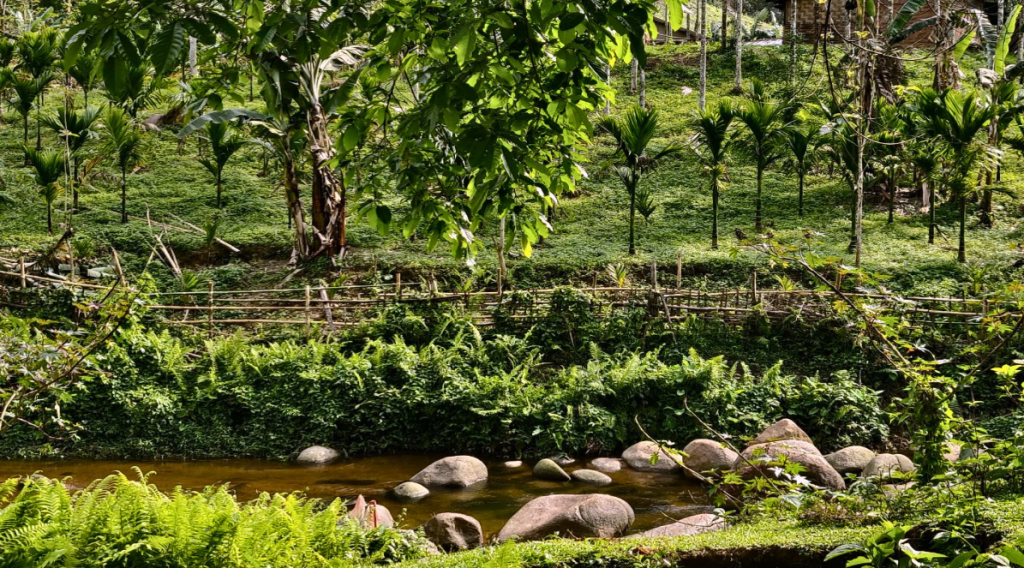
Beyond the iconic rhinos & safaris of Kaziranga National Park lies a profound, ancient rhythm—the art of foraging. In the dense bamboo forest hills and vibrant floodplains of the Kaziranga-Karbi Anglong landscape, the indigenous Karbi tribesmen continue a legacy of traditional ecological knowledge that has sustained their communities for generations.
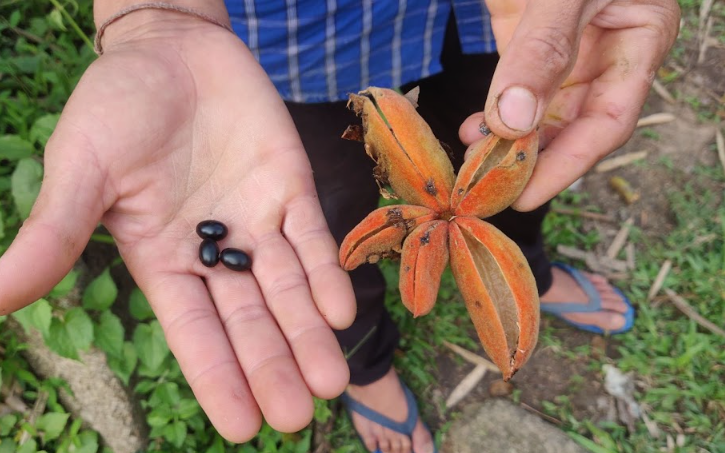
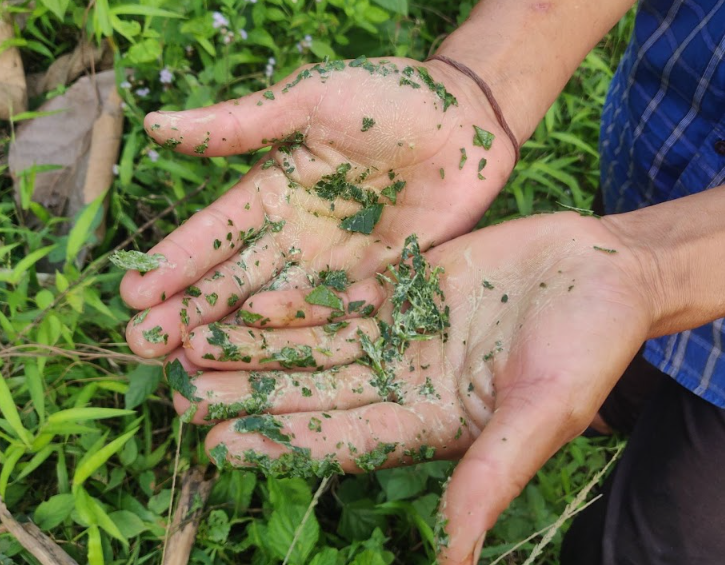
For the Karbi people, the forest is not merely a resource; it is a living apothecary and a vital source of sustenance. Through centuries of intimate connection with their environment, they have mastered the identification and sustainable harvesting of wild medicinal herbs, edible plants, and diverse forest flora.
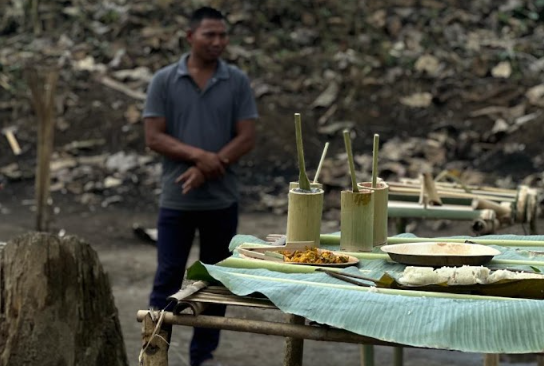
This deep-rooted wisdom encompasses everything from daily vegetables and nutritional staples to complex herbal remedies used to treat various ailments.Recognizing the immense value of this indigenous knowledge, Aaranyak, a leading biodiversity conservation organization in Northeast India, has initiated community-driven eco-cultural programs.
A central pillar of this effort is the Ingnam Kengkam – which translates to “Walking in the Forest” in the Karbi language.Through the Ingnam Kengkam initiative, Aaranyak organizes guided nature trails that invite guests, students, and conservationists to journey alongside Karbi locals and experts into the deep woods.
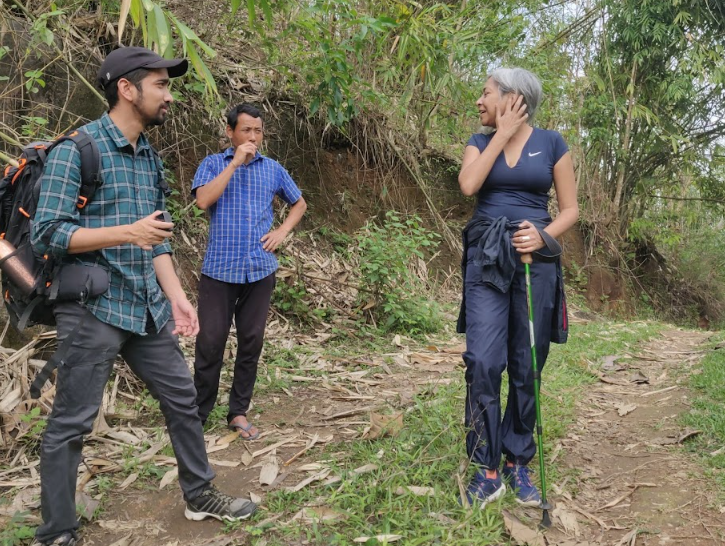
As participants move the lush bamboo groves and forest trails, they are immersed in a hands-on learning experience. Local guides share captivating stories of the forest’s cultural significance and impart practical knowledge on identifying wild medicinal and food plants.This immersive experience goes beyond simple observation; it bridges the gap between traditional wisdom and modern conservation.
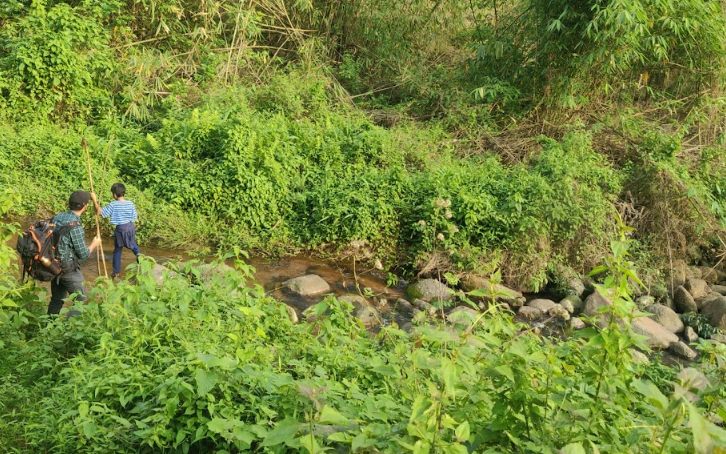
Duration – The Ingnam Kengkam forest walk spans approximately seven kilometers through the bamboo-laden hills and floodplains of the Kaziranga-Karbi Anglong landscape. This immersive journey typically unfolds as a full-day experience, beginning early in the morning and concluding in the late afternoon. The pace is deliberately unhurried, allowing participants ample time to pause, observe, and absorb the forest’s intricate details.
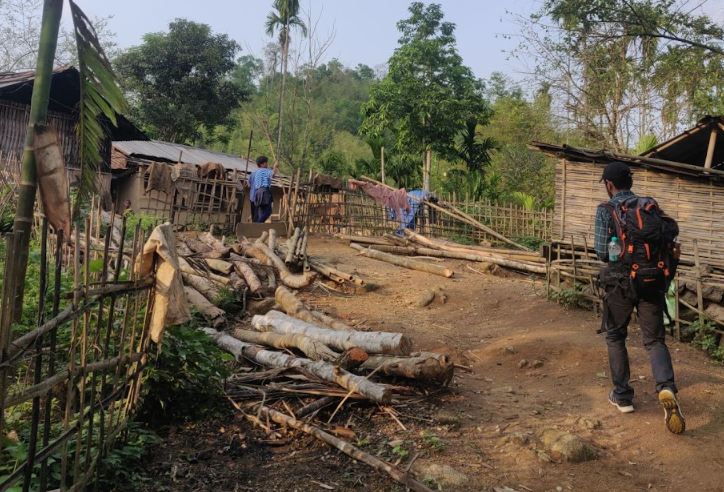
Along the way, guides lead visitors through dense vegetation, across the Kohora River, and into the heart of Karbi villages, where the rhythm of the walk is punctuated by moments of learning, reflection, and cultural exchange. This extended time frame ensures that guests move beyond surface-level observation and develop a genuine, embodied understanding of the forest ecosystem and the communities that call it home.
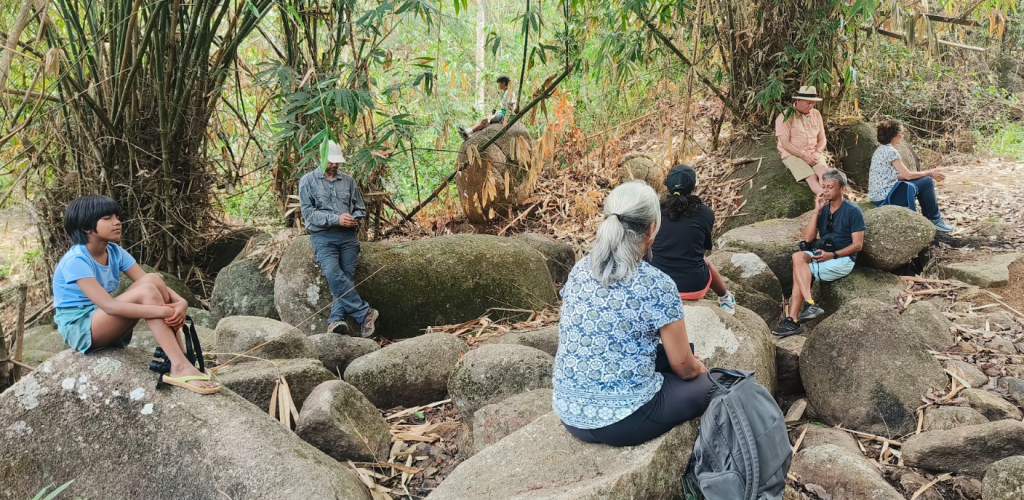
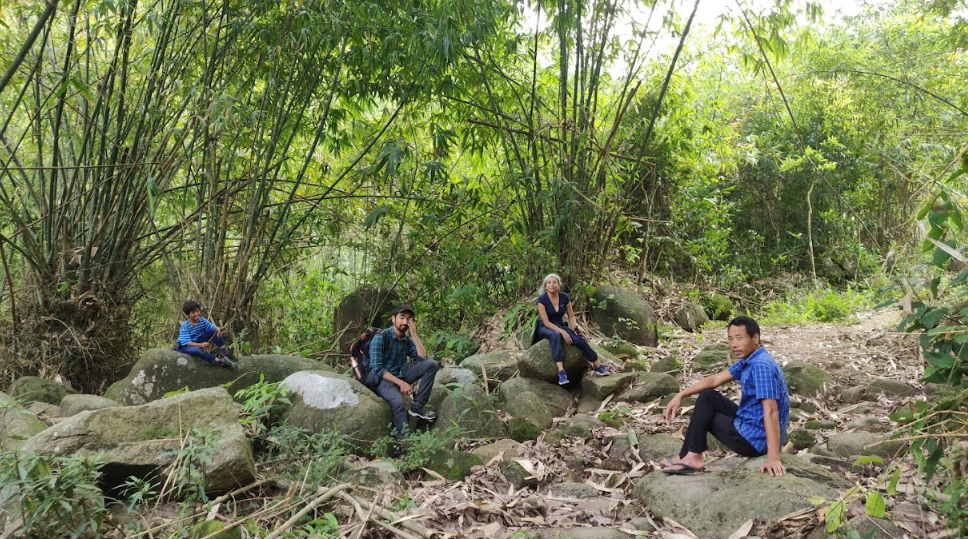
Guest takeaway– Participants in the Ingnam Kengkam walk leave with far more than photographs and memories. They depart with practical knowledge—the ability to identify wild medicinal plants like turmeric, ginger, and various healing herbs that grow freely in the forest, as well as edible plants that have sustained the Karbi people for generations.
Beyond botanical learning, guests gain profound insights into indigenous ecological wisdom and the deep spiritual connection between the Karbi communities and their environment. They witness firsthand how sustainable foraging practices support both human wellbeing and forest conservation. The experience also fosters a renewed sense of hope and resilience, as visitors recognize how traditional knowledge systems offer solutions to modern environmental challenges.
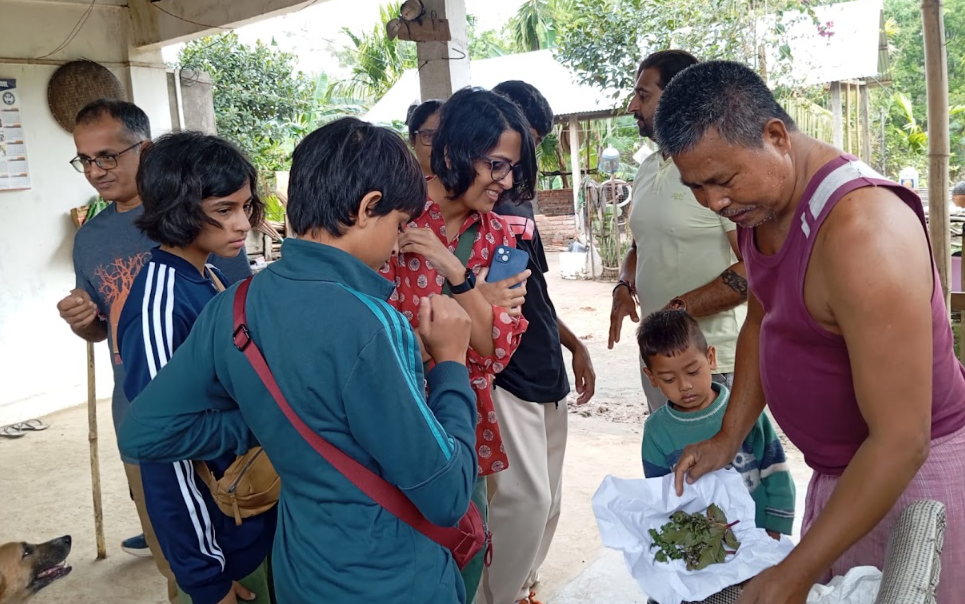
Most importantly, guests leave with transformed perspectives—understanding that conservation is not a distant concept but a living practice woven into daily life, and that the forest’s greatest treasures are not what can be extracted, but what can be learned and preserved for future generations.