“Every beam has a story,” the elders say, as the morung is raised by many hands — timber chosen from the forest, carved with clan memory, and built not just as a house, but as the village’s place of learning, gathering and belonging.
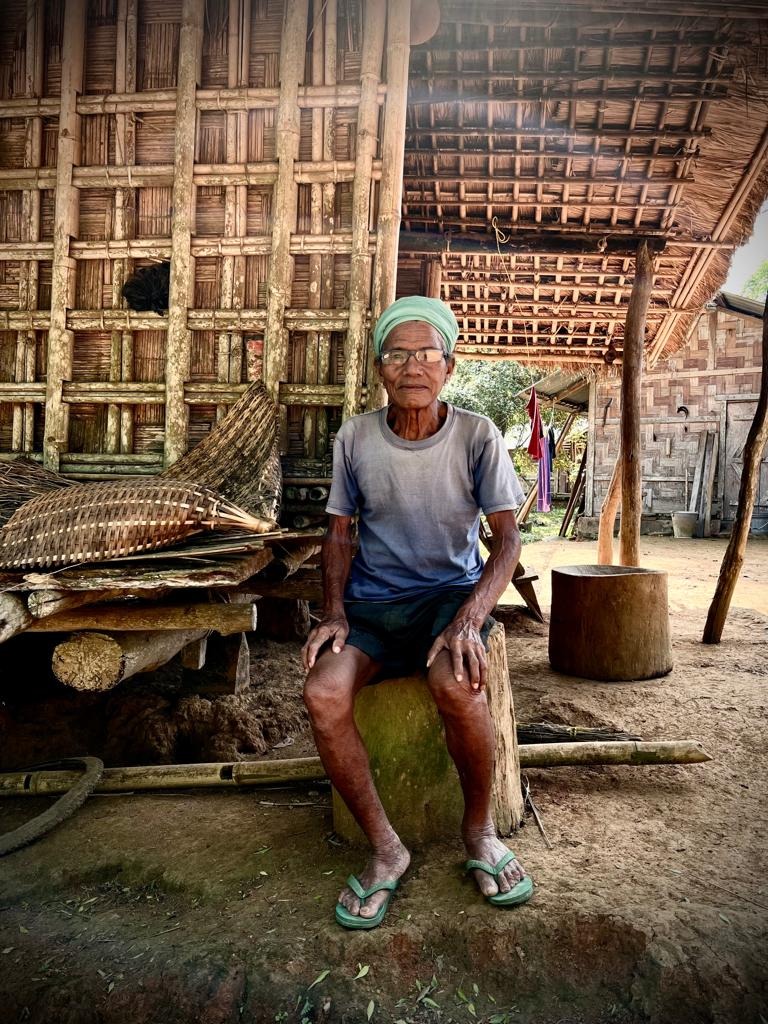
To travel through Northeast India with attention is to realise that architecture here is never merely architecture. A house is a map of weather. A roof is a response to rain. A hearth is an archive of kinship. In the hills of Nagaland, Meghalaya and Arunachal Pradesh, Indigenous homes are built in conversation with forests, slopes, rivers, monsoon winds and the social lives of the communities who inhabit them.
Among the Angami of Nagaland, architecture carries community memory. Traditional Naga houses and morungs are remembered for strong timber frames, steep roofs, bamboo, thatch and carved details that speak of identity, status and belonging. In an Angami village, the morung is more than a public structure. It is where young people once learnt discipline, oral history, social codes and the responsibilities of adulthood. As a travel curator, one does not enter such a space as one enters a monument. One enters slowly, listening first. The low roofline, darkened timber and carved surfaces carry the dignity of a building that has held generations of instruction.
The making of such a building is collective labour. Wood is chosen with knowledge of strength, season and suitability. Bamboo and thatch respond to heavy rain, while raised or carefully placed structures speak to terrain and drainage.
The result is not rustic simplicity, but sophisticated environmental intelligence. In an age when sustainable design is often presented as innovation, Angami architecture reminds us that many Indigenous communities have practised climate-responsive building for generations.
Further west, in the Garo Hills of Meghalaya, the traditional Garo house, known as the nok achik or nokachik, stretches long and low across sloping land. The Garos, a matrilineal community predominantly associated with the Garo Hills, traditionally built with bamboo, wood and thatch, shaping homes that responded to uneven ground and a life lived close to forest and field. A nokachik is often described as a long rectangular structure, with one end closer to the earth and the other raised on posts. Its architecture is practical, but its practicality is full of meaning.
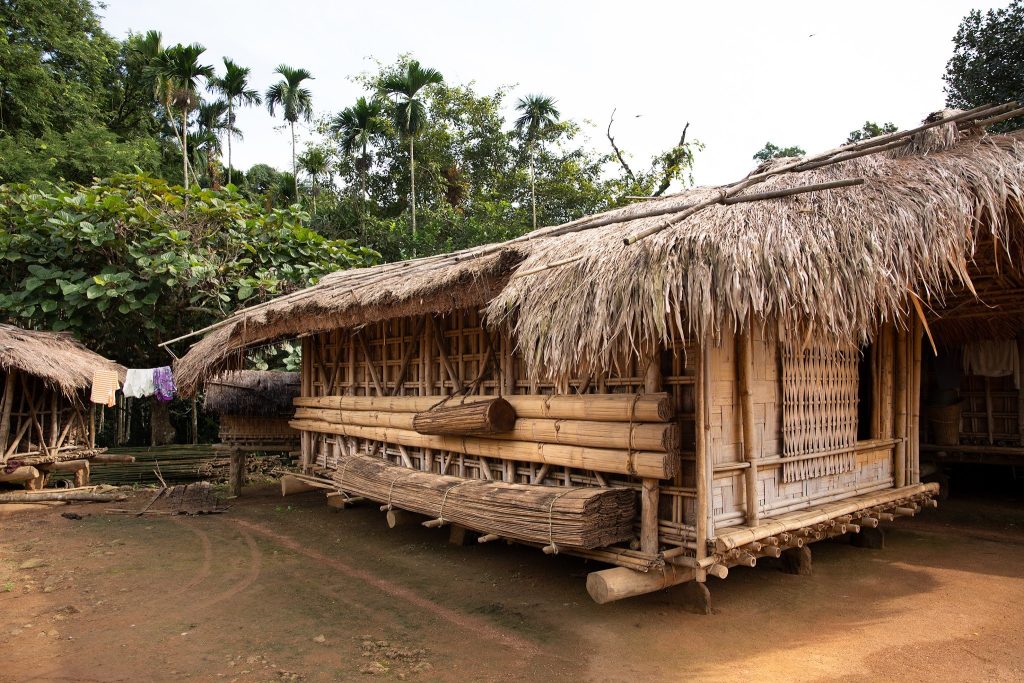
Inside, space is carefully organised. The front room, often associated with cooking, leads towards the main living area, where guests may be received around a hearth, and then towards the sleeping space beyond. Posts and hearths are not simply structural; they are social and ritual markers. The woven bamboo floor and walls create a house that breathes with the hills. To walk through a Garo home is to see how architecture can hold a matrilineal world: domestic life, ritual life, food storage, rice beer, rest, work and hospitality all find their place within the long body of the house.
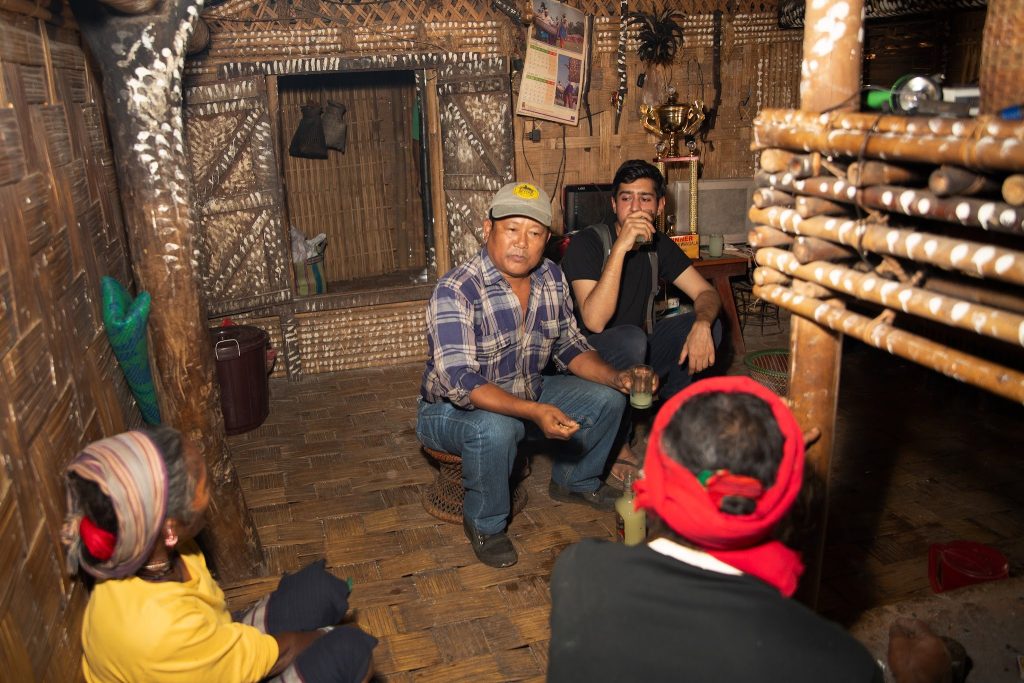
The Garo nokpante, once the bachelors’ dormitory, adds another layer to this story. Traditionally, it was a place where young men learnt warfare, agriculture, music, dance, carpentry and storytelling; in many villages, the institution has faded, but its memory remains in carved posts, drums and community recollection.For the traveller, this is where built heritage becomes intangible heritage. The building may stand, but the deeper question is: who will remember the songs, skills and social codes it once held?
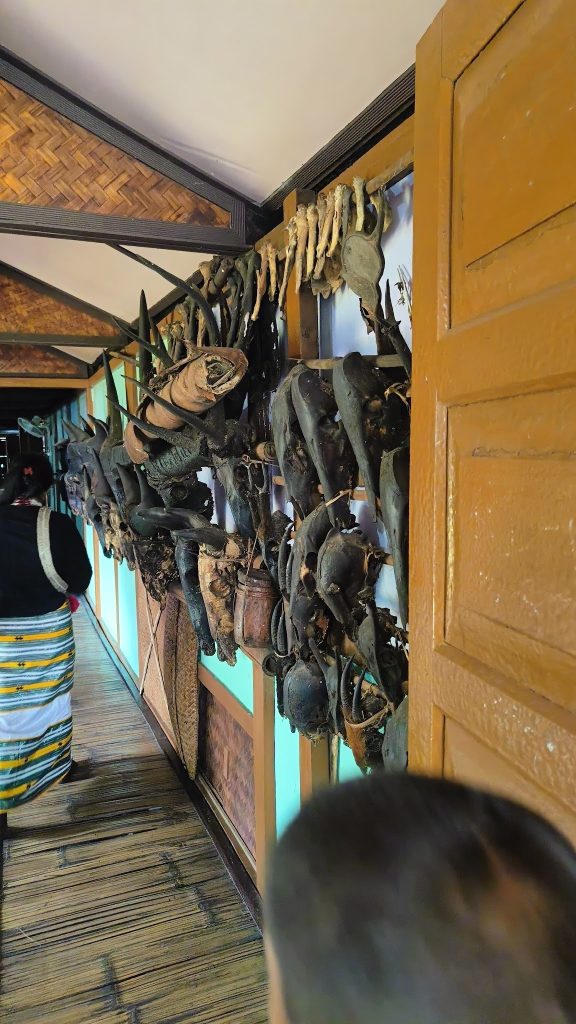
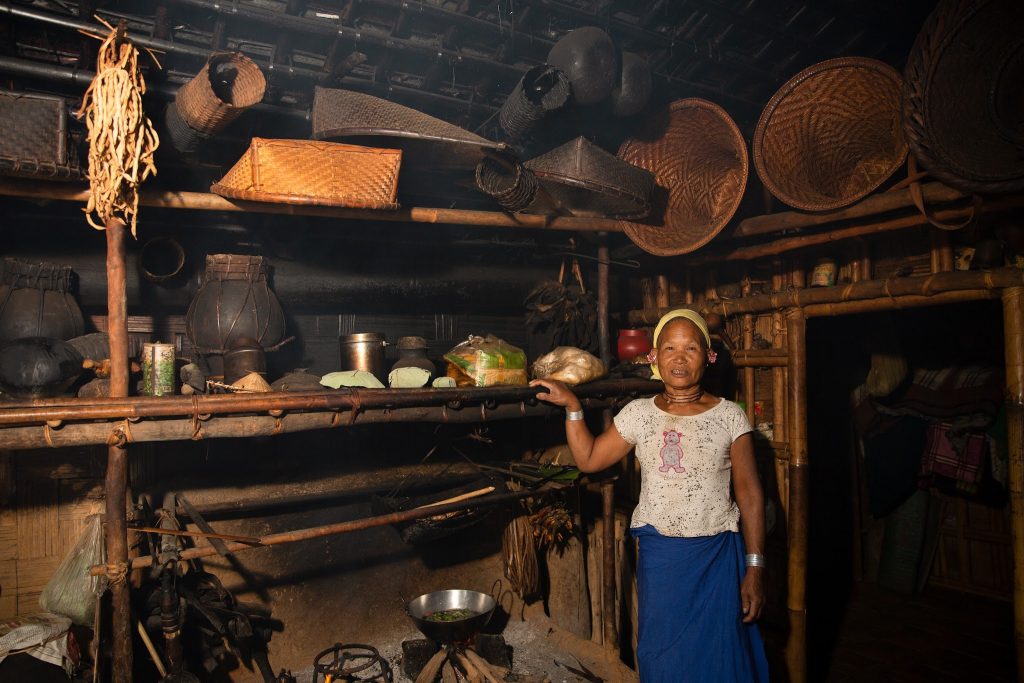
In Arunachal Pradesh, among the Miju Mishmi, the long house offers another expression of Indigenous life shaped by terrain, forest and family structure. Miju Mishmi communities traditionally lived in joint families inside long houses, with multiple hearths marking the separate households within one extended structure. This is architecture as kinship is made visible. Each hearth is a domestic centre, a circle of cooking, warmth, conversation and continuity.
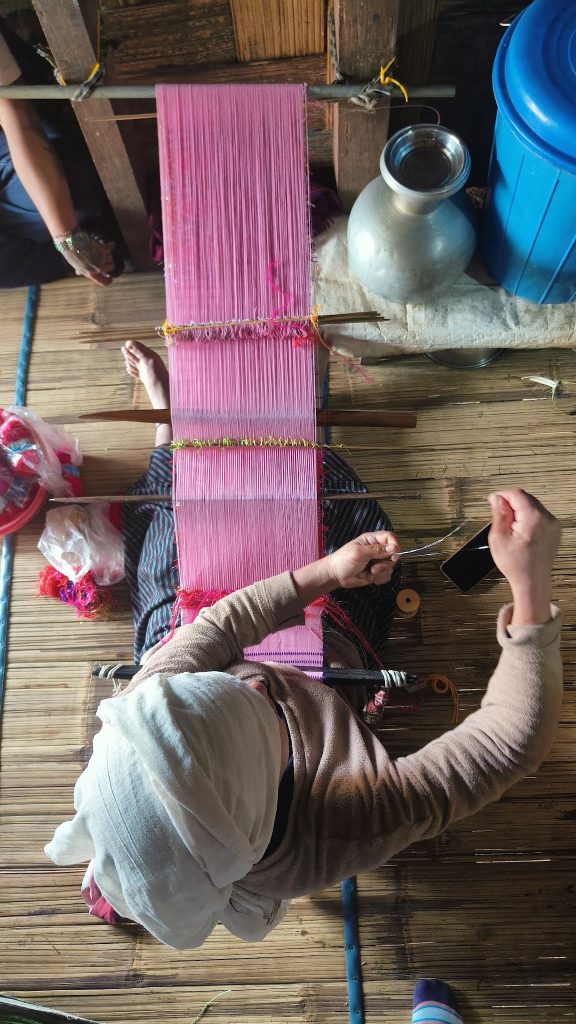
These long houses are built from the forest’s own vocabulary: bamboo, wood, leaves, cane, and materials gathered, prepared and understood through ancestral knowledge. The house is not imposed upon the landscape; it is assembled from it. In the Mishmi world, architecture reflects dependence on and reverence for nature. The long house shelters people, but it also tells us how families share space, how elders remain central, and how knowledge survives in daily gestures.
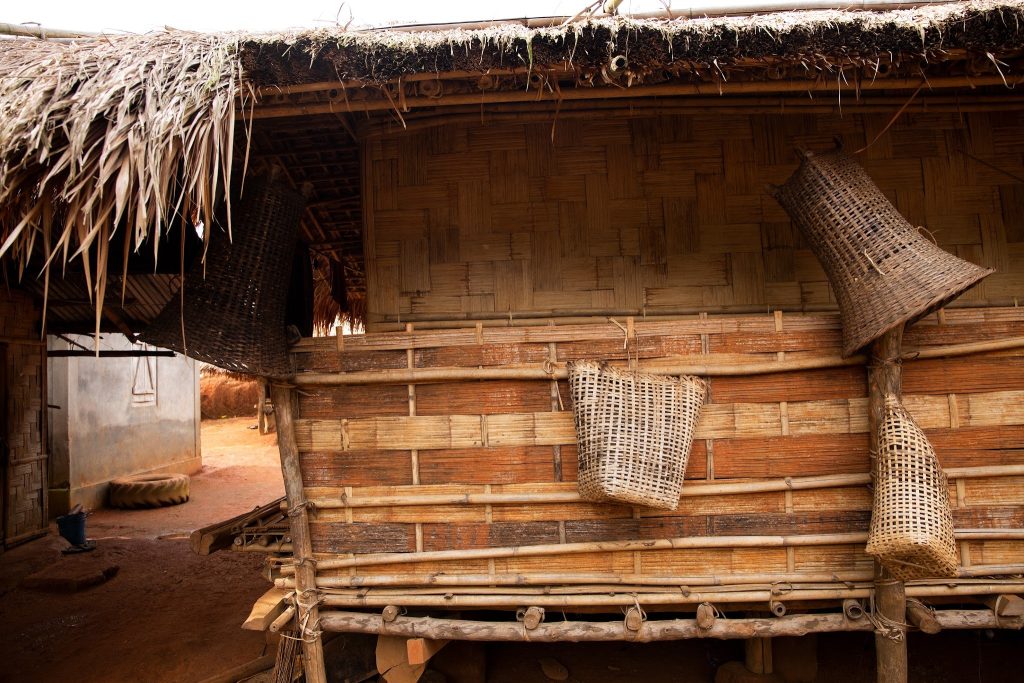
What links the Angami morung, the Garo nokachik and nokpante, and the Miju Mishmi long house is not a single style, but a shared philosophy. These buildings are adaptive, communal and deeply local. They understand rain, slope, warmth, storage, ceremony and social hierarchy. They are designed not only for bodies, but for stories.
For travellers, such architecture asks for a different gaze. It asks us not to photograph first and understand later, but to pause, ask permission, listen to the maker, sit by the hearth and recognise that a house can be a library. In Northeast India, Indigenous architecture is not a relic of the past. It is a living design for belonging — homes that remember, and communities still teaching us how to build with land, weather and memory.