
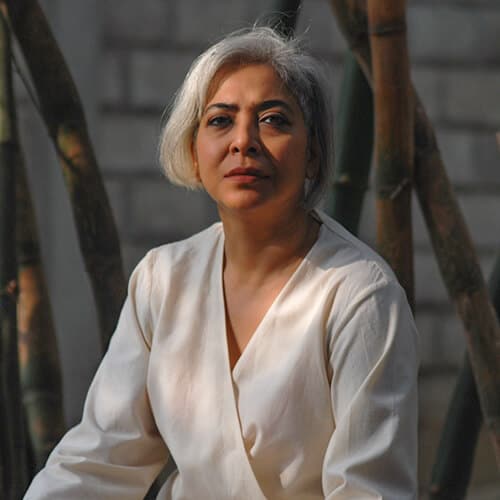
By Julie Kagti, Curator — Curtain Call Adventures
I grew up hearing the Brahmaputra spoken of the way others speak of a god — with reverence, with a little fear, and with the quiet understanding that it gives and takes on its own terms. I knew the festivals, the food, the language, the particular slant of light over paddy fields in October. I thought I knew Assam.
And then I went to Majuli, and I realised I had only ever known the surface.
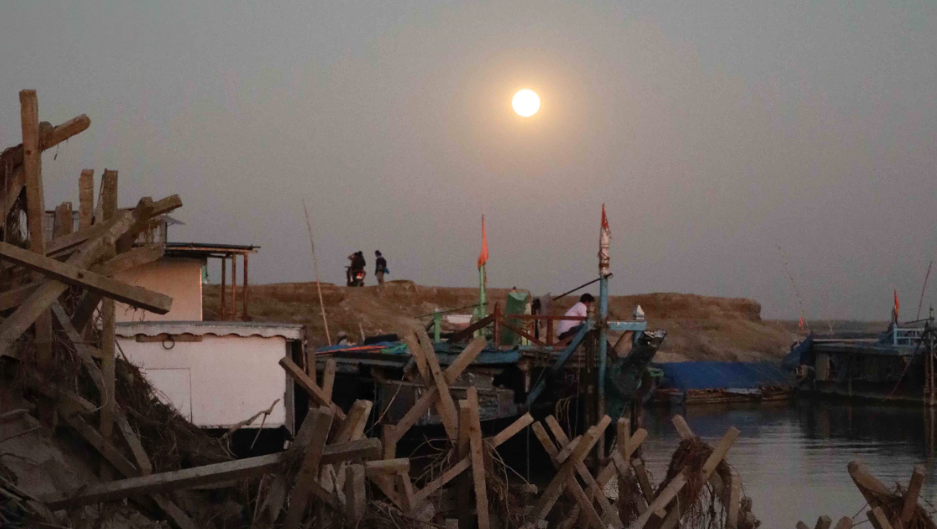

There is a moment, somewhere on the ferry crossing from Jorhat, when the mainland slips away and Majuli appears through the morning mist — green, improbable, ancient. The Brahmaputra is vast here, almost oceanic, and the island rises from it like a secret the river has been keeping. As someone who grew up in this state, I had always known Majuli existed. What I had not understood, not truly, was what it held.
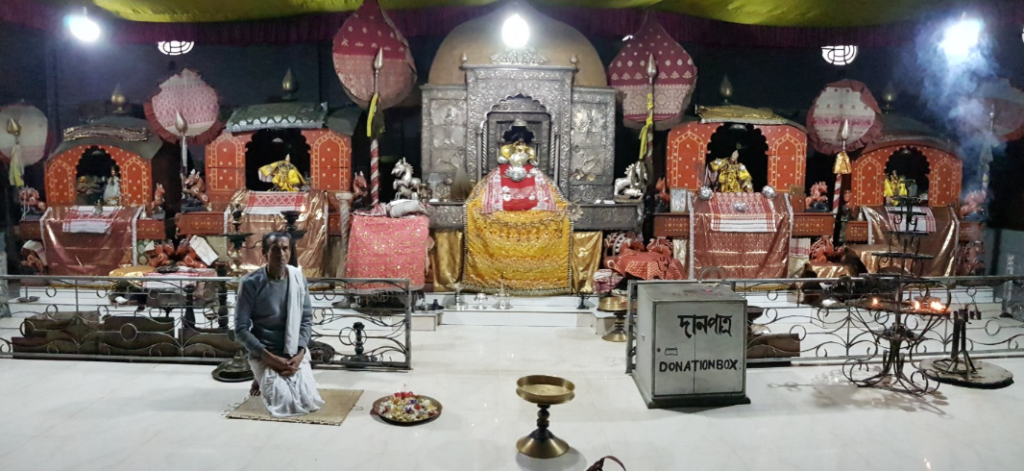
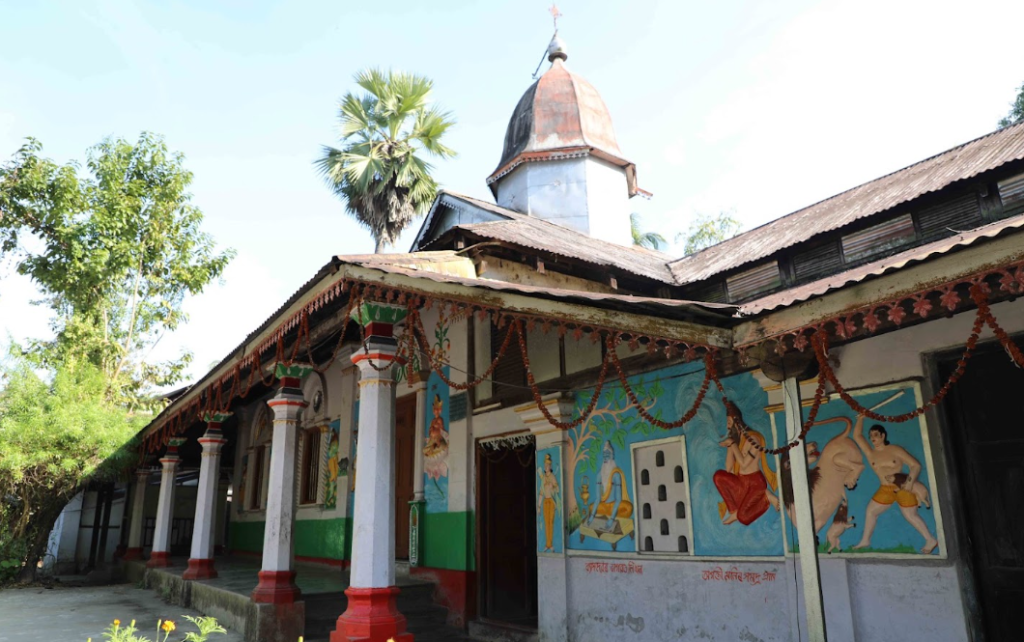
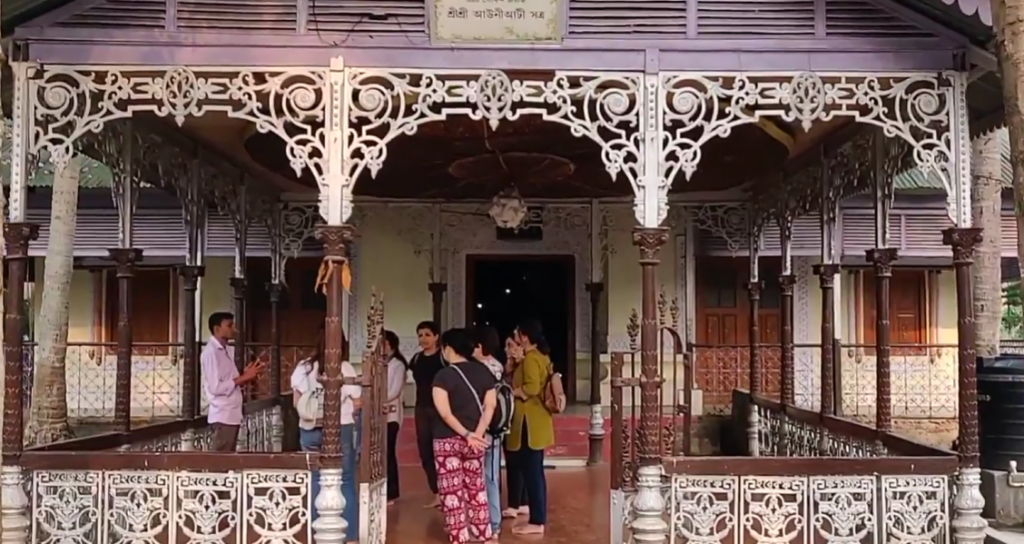
The Satras are not easy to explain to someone who has not stood inside one. They are monasteries, yes — but that word is too small, too cold for what they actually are. They are living institutions, founded over five hundred years ago by Mahapurush Srimanta Sankardeva, the saint and reformer who looked at a fractured, caste-divided society and chose to answer it with art, music, and the radical idea that every human being stands equal before the divine. As an Assamese woman, I grew up with Sankardeva as a name in textbooks. Standing in the courtyard of a Satra, watching a young monk sweep the flagstones with the same unhurried devotion as the elders beside him, I finally understood what he was building.
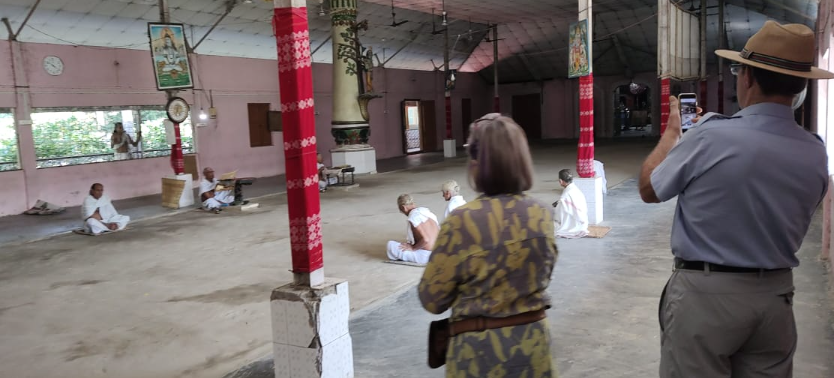
What strikes you first is the silence — not emptiness, but a silence that is full of something. The Namghar, the prayer hall at the centre of every Satra, has no idol, no elaborate iconography. There is a manuscript, a wooden throne, and the presence of devotion accumulated over centuries. Within these walls, there is no hierarchy. The satradhikar and the newest disciple bow before the same text. For a culture that has spent generations navigating the complexities of caste and community, this is not a small thing. It is, in fact, everything.
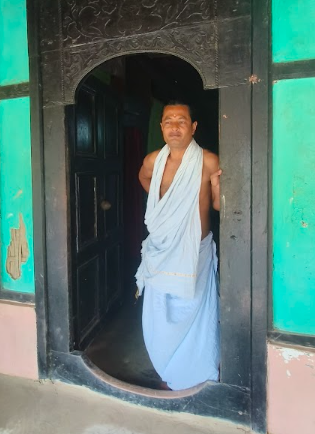
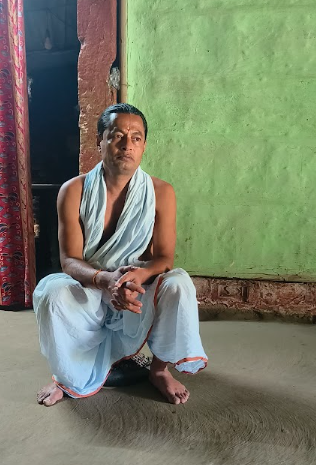
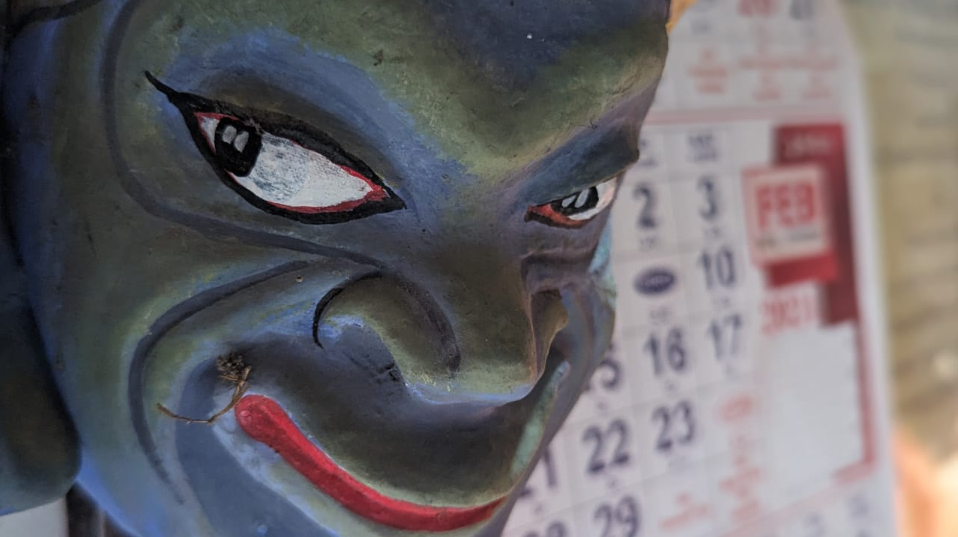
The monks — the bhakats — live lives of extraordinary simplicity and extraordinary richness simultaneously. Every act is devotion: the sweeping, the lamp-lighting, the carving of masks, the teaching of young boys who arrive at the Satra gates the way children once arrived at gurukuls, ready to be shaped. I watched an elder monk correct a young disciple’s grip on a Khol drum with the patience of someone who understands that this correction matters — not just for the music, but for the continuity of an entire civilisation.
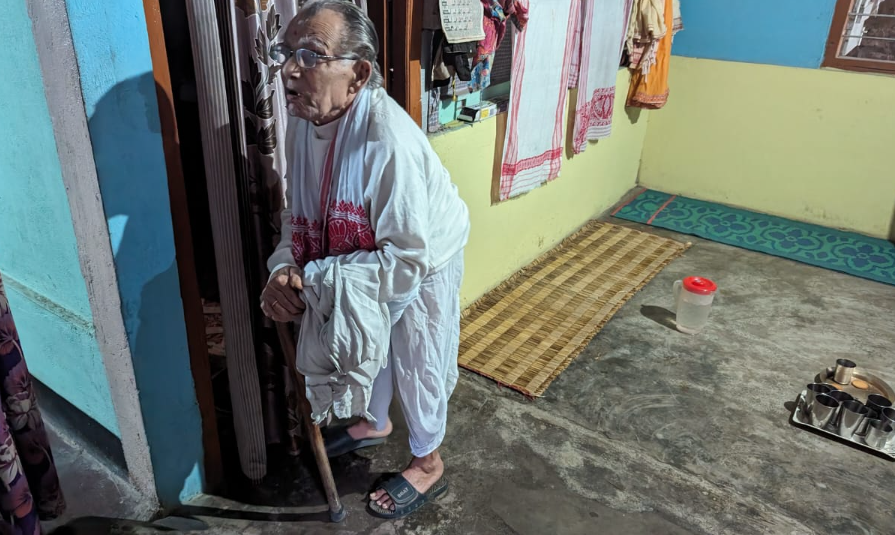
The Gayen-Bayen tradition was the moment I stopped being a curator and became simply a listener.
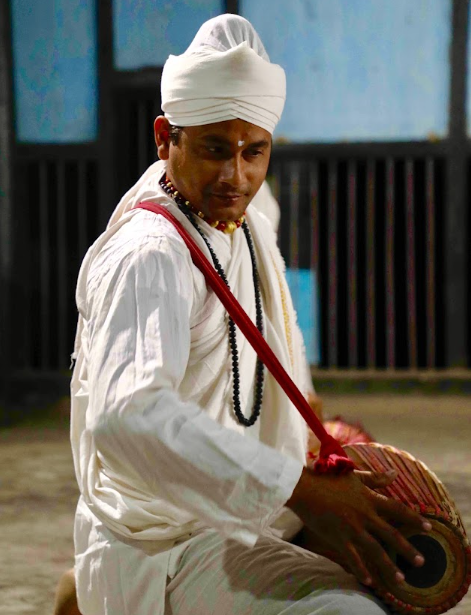
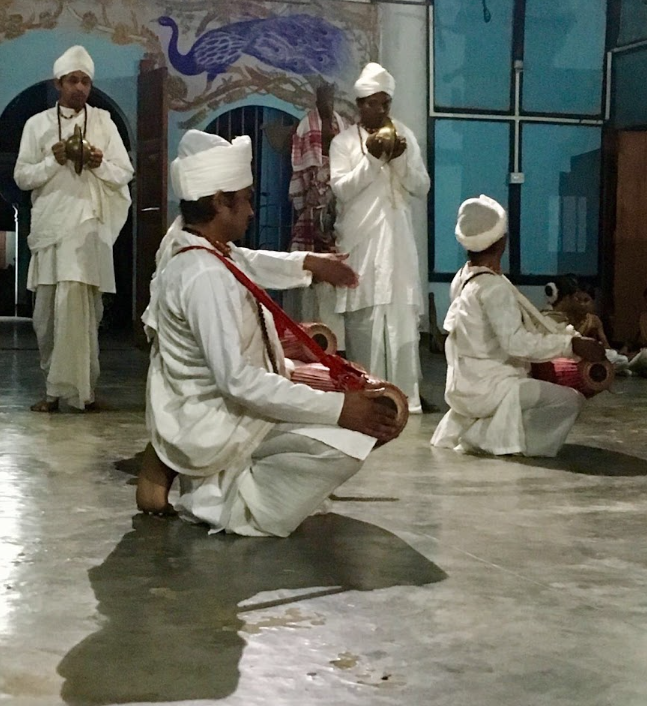
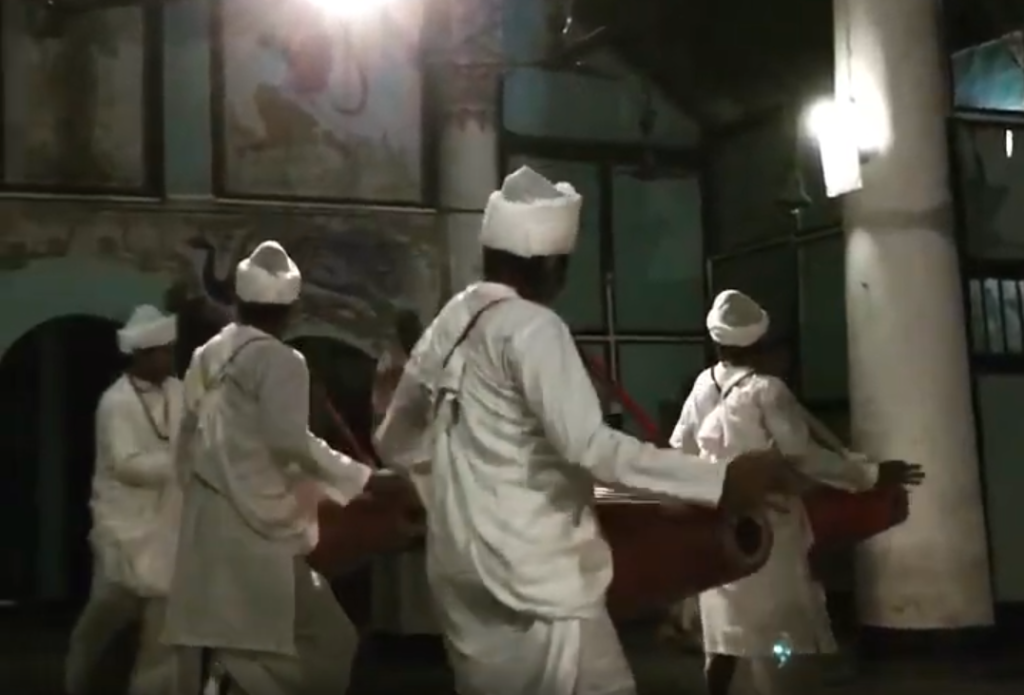
The Gayen are the singers; the Bayen are the instrumentalists. Together, they perform a spiritual symphony that is the beating heart of Satra culture and the cradle of Sattriya — one of India’s eight classical dance forms. The primary instrument is the Khol, a terracotta drum whose sound I can only describe as the earth’s own heartbeat. Paired with the sharp, bright crash of the Taal cymbals, the music builds into something that bypasses the mind entirely and goes straight to the chest.
I am not a particularly religious person. But sitting in that Namghar, with the Khol reverberating off the bamboo walls and the Gayen’s voice rising and falling through verses that are five hundred years old, I felt something I can only call recognition. As if some part of me, the part that is Assamese before it is anything else, had been waiting to hear this.
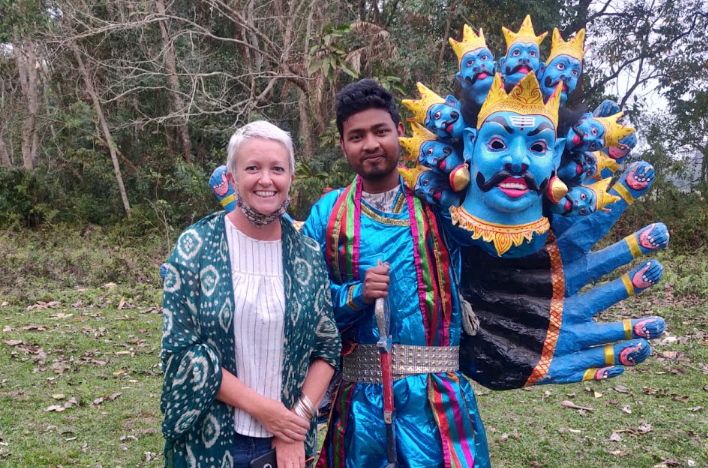
What moves me most, as someone who works in cultural curation, is not just the beauty of what the Satras preserve — it is the method of preservation. There are no archives here, no climate-controlled storage rooms. The knowledge lives in human hands. The art of shaping the Khol’s clay body, stretching its membrane to exactly the right tension, tuning it to the precise pitch that the tradition demands — this is passed from elder to disciple, year after year, in the same way it has always been passed. The Satras are not museums. They are living conservatories, and the music they produce is not a performance of the past. It is the present, breathing.
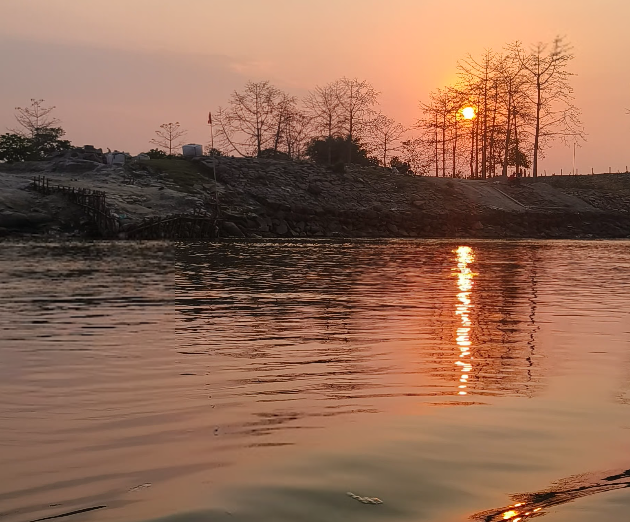
Majuli itself is shrinking. The Brahmaputra, which gave the island its existence, is slowly reclaiming it — eroding its banks, swallowing its land, reducing what was once sixty-five Satras to twenty-two. There is grief in that number. But there is also, in those twenty-two, a defiance that I find deeply Assamese. We have always lived beside a river that does not ask permission. We have learned to hold what matters with open hands, and to trust that what is truly alive cannot be washed away.
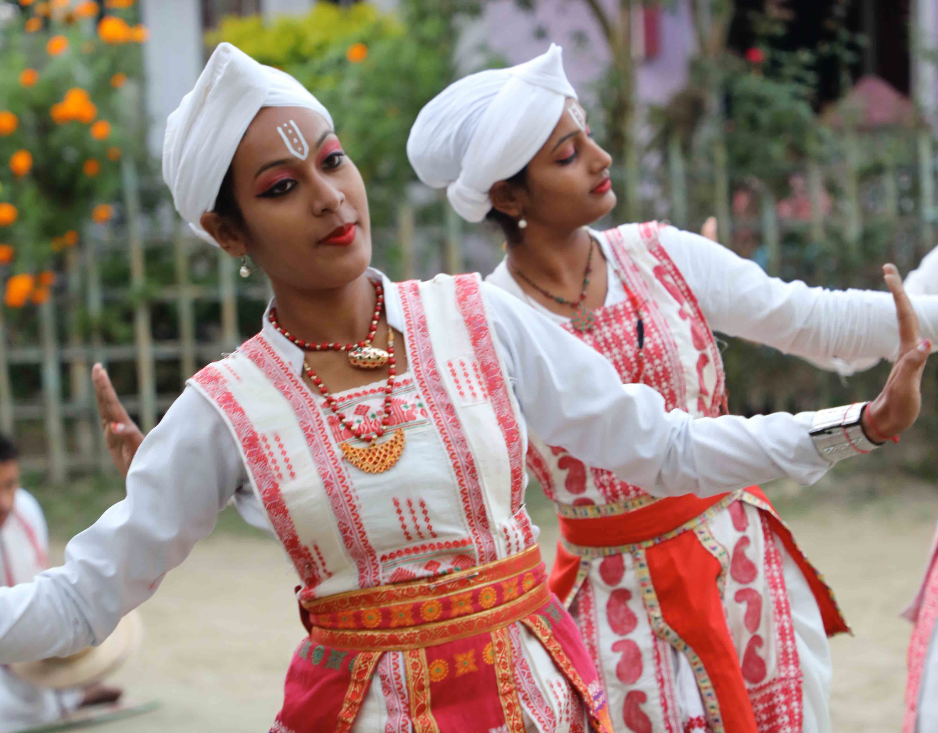
When I curate experiences in Assam for Curtain Call Adventures, I am always looking for the moment when a traveller stops being a visitor and starts being a witness. Majuli is that moment, reliably, every time. It is the place where the drumbeat of a five-hundred-year-old tradition reaches across every difference of language, background, and belief, and reminds you that some things were made to last.
Come to Majuli. Come to the Satras. Come and listen.
The Gayen-Bayen is still playing.
Julie Kagti is the Curator of Curtain Call Adventures, a culture-led travel company dedicated to immersive, community-rooted experiences across Northeast India.