
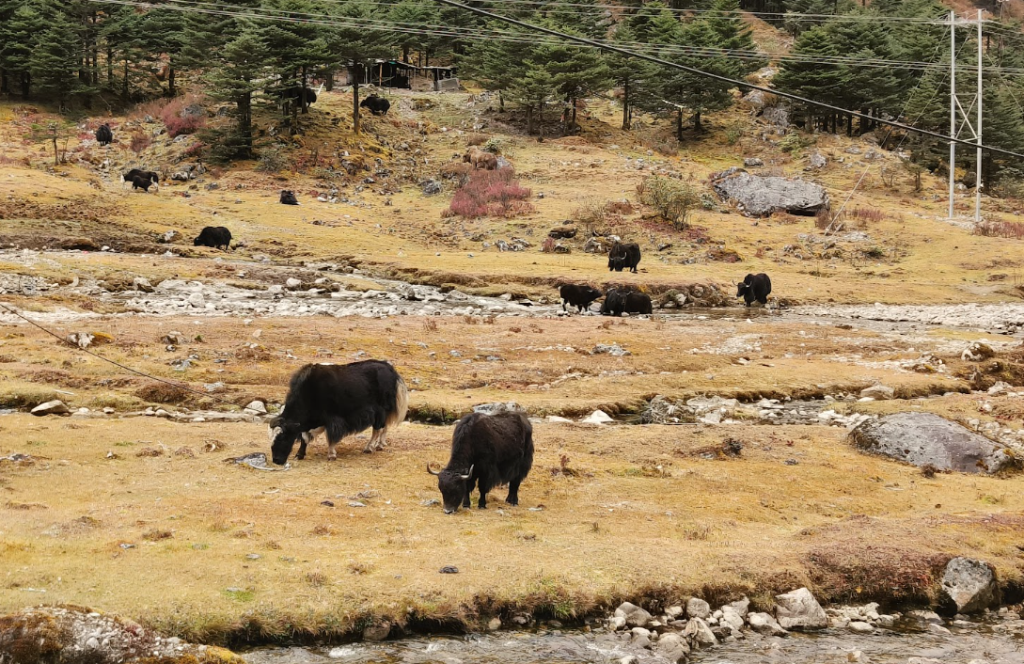
For those seeking a journey that blends moderate physical activity with deep cultural immersion, Assam and West Arunachal Pradesh offer an unparalleled experience where ancient tribal traditions, pristine wilderness, and spiritual heritage converge. This region is a sanctuary where semi-evergreen forests meet the mighty Brahmaputra River, sacred monasteries cling to misty mountainsides, and indigenous communities maintain profound connections to the land through centuries-old practices of foraging, conservation, and spiritual reverence.
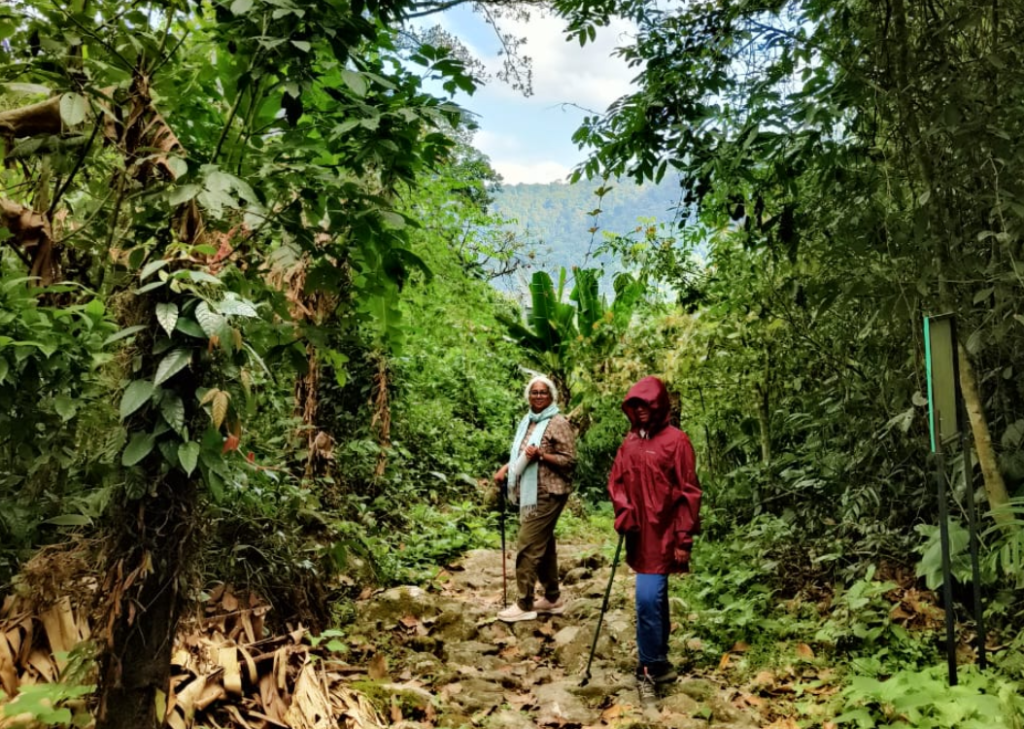
The walks are designed to be contemplative rather than strenuous, perfectly suited for mature travelers who appreciate the nuanced beauty of high-altitude flora, diverse wildlife encounters, and the profound spirituality of indigenous communities.
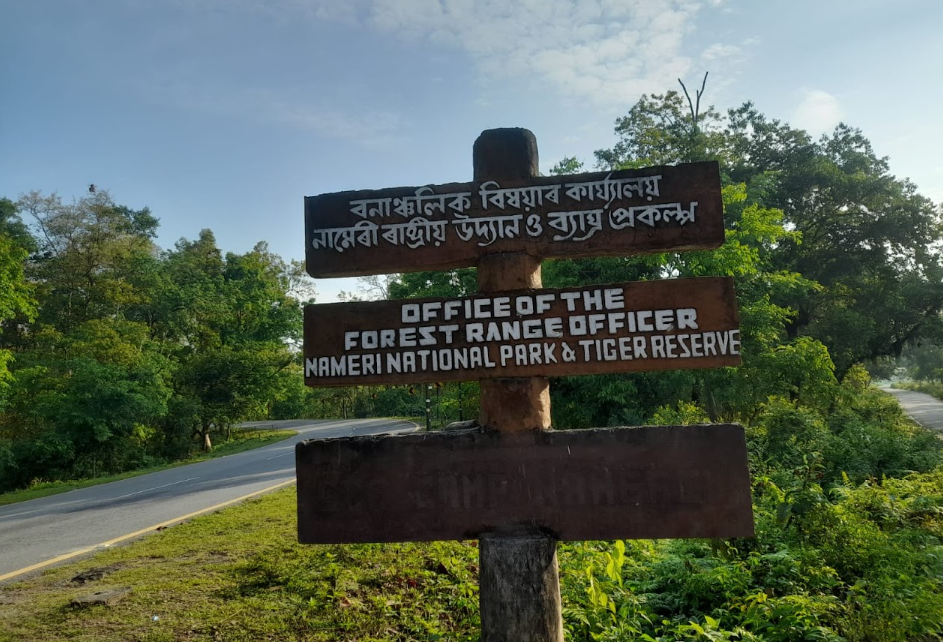
The Nameri National Park presents a unique walk-only experience through dense jungle where over 300 bird species create a natural symphony, while the gentle Jia Bhoroli river float—a serene three-hour journey through mild rapids—reveals the landscape from the water, with opportunities to spot elephants, bison, and diverse birdlife gathering along the riverbanks in their natural habitat.
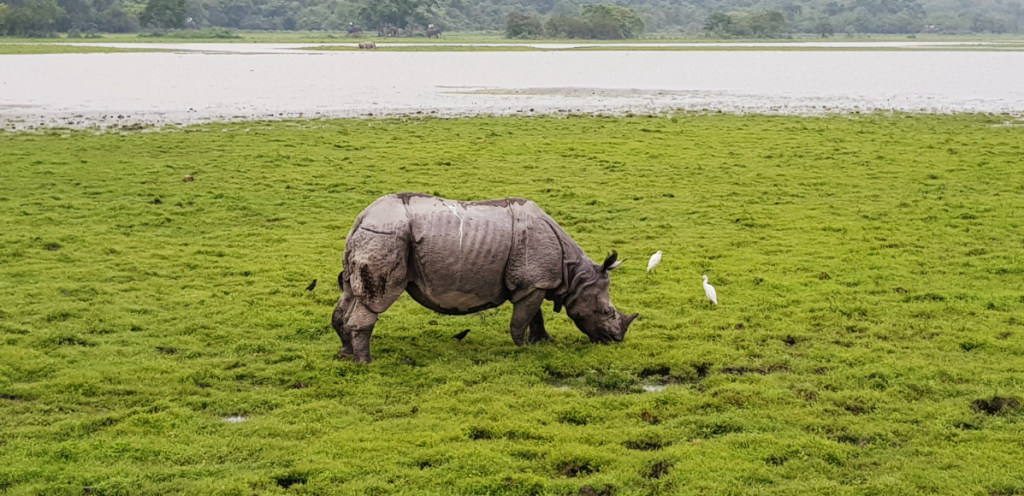
Kaziranga National Park, protecting the world’s largest population of one-horned rhinoceros, offers elephant safaris through semi-evergreen forests where Asian elephants, wild boar, and over 490 bird species inhabit a landscape of vast swamps and towering elephant grass. The Karbi tribesmen of Assam welcome visitors on immersive forest walks where traditional foraging practices reveal the intricate relationships between plants, animals, and human communities, offering insights into sustainable living and sacred groves that serve as both spiritual sanctuaries and biodiversity hotspots.
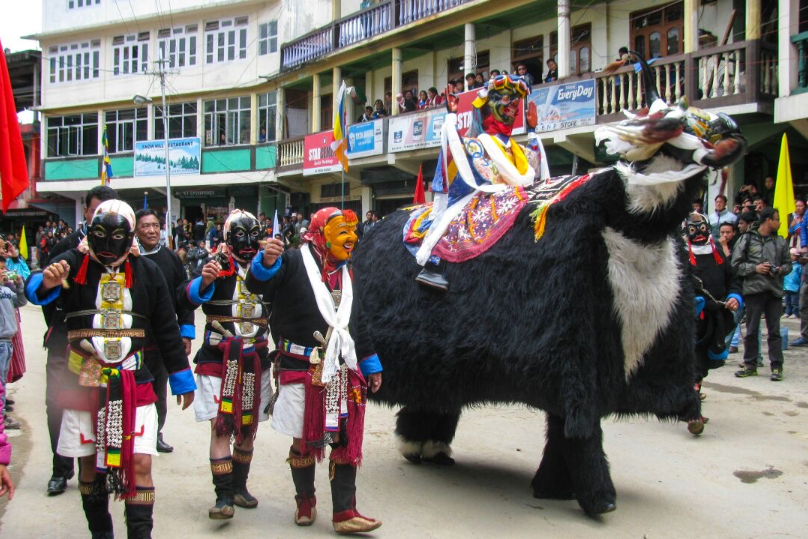
The Monpa people of West Arunachal Pradesh have a distinctive culture where traditional wood-and-stone architecture evolves organically from climate and community participation, with homes standing for centuries in harmony with the mountain terrain. Dirang, nestled along the Dirang River, features the spiritually significant Thupsung Dhargye Ling Monastery, historic Dirang Dzong fort with panoramic valley views, and gentle walks through apple orchards framing the surrounding peaks. The descent from Mandala Top at 10,000 feet to Dirang presents a moderate – difficult downhill trek through Monpa highlands where the landscape transitions from alpine vistas to pristine mountain wilderness, revealing the cultural geography of these ancient communities.
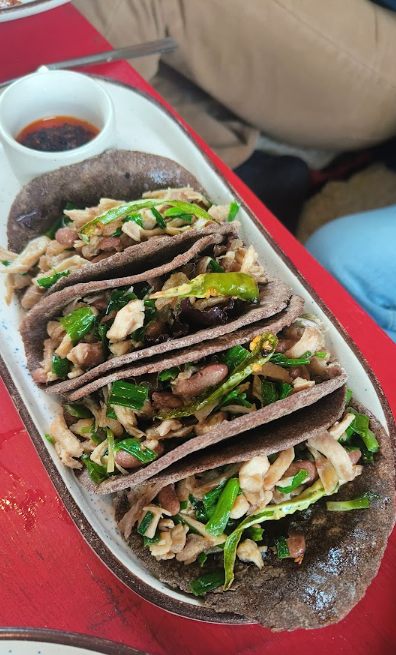
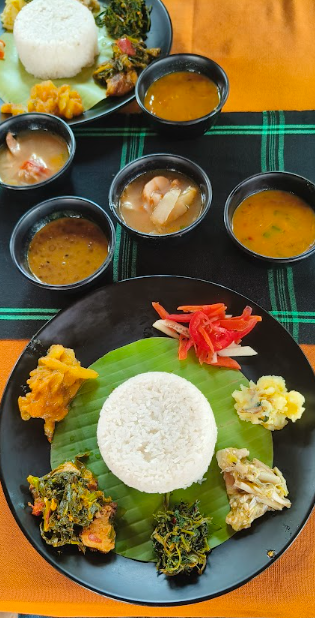

The culinary traditions—from Assam’s handwoven textile heritage and traditional rice-based cuisine to the Monpa’s distinctive mountain food culture featuring millet momos and dried cheese—offer windows into how communities celebrate their identities through food and craft. This journey through Assam and West Arunachal Pradesh is a pilgrimage through living landscapes where every forest trail, sacred monastery, and tribal village speaks to the enduring harmony between human culture, indigenous wisdom, and the majestic natural world of Northeast India.
Best Time to Visit: Late October to middle of May, please note the national parks are open from 1st November to 31st of April.
We recommend a minimum of 10 days to do the trip in a relaxed manner.
Permits are required to visit Arunachal Pradesh