


The journey into West Bengal’s Sundarbans began when the road gave way to water. From Godkhali, we boarded a registered boat and entered a maze of rivers and creeks. The tide was shifting: water pulled past us, while exposed mud would soon disappear beneath it. Here, the landscape changes by the hour.
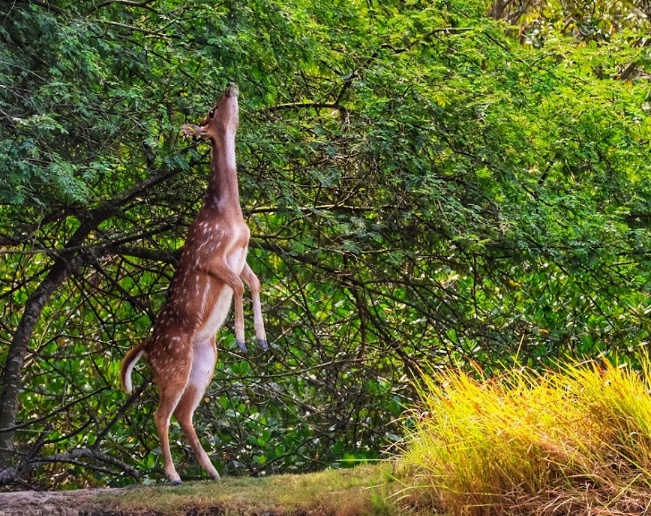
Our guide, Ashok Mandol, helped us read this moving world. He explained how mangrove roots cope with soft, waterlogged ground and urged us to watch banks and branches. Small crabs moved sideways among the roots, making the forest floor seem busy. I noticed sundari, gewa, goran and keora along the water’s changing edge.
As the tide fell, mud margins widened and revealed more of the root maze. When the water returned, those edges slipped out of sight. I began to understand why Ashok watched the waterline before deciding where to point our attention.
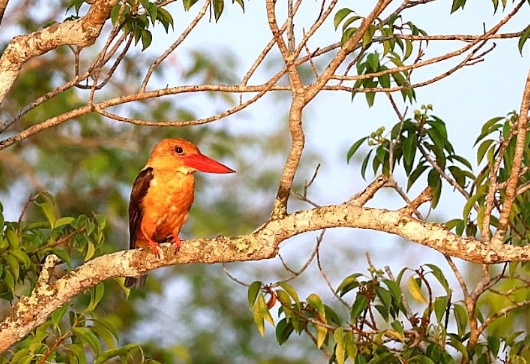
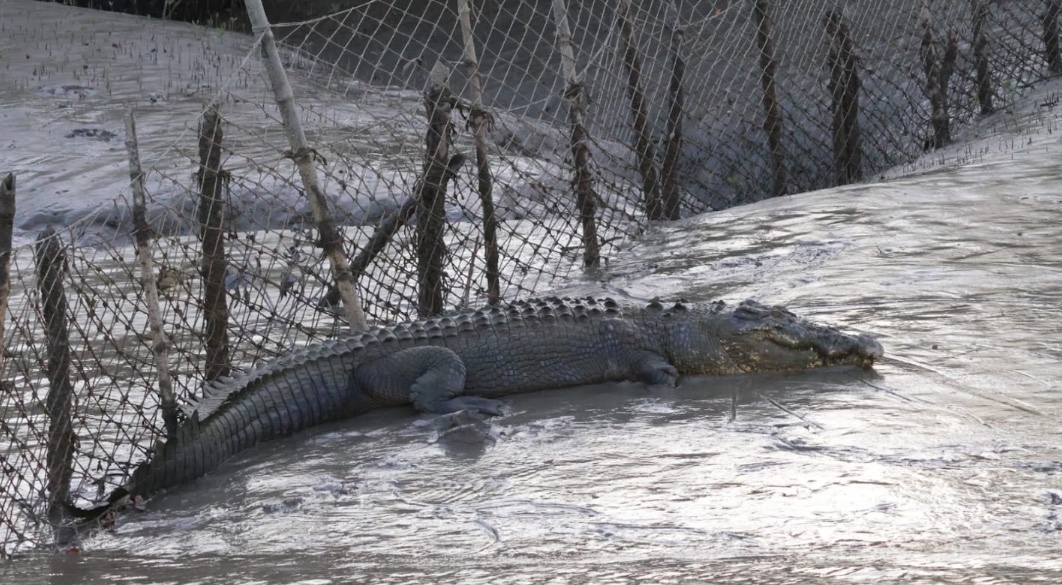
The surprise was kingfishers. I expected one or two; instead, their colours and shapes kept appearing. Some flashed over the water; others perched long enough for us to see them before darting away. Eight of India’s twelve kingfisher species are recorded here, according to the Wildlife Institute of India. Herons, egrets and other birds worked the shallows. A crocodile lay still in the mud. Then a fishing cat appeared at the forest edge—an encounter that rewarded patience, not pursuit.
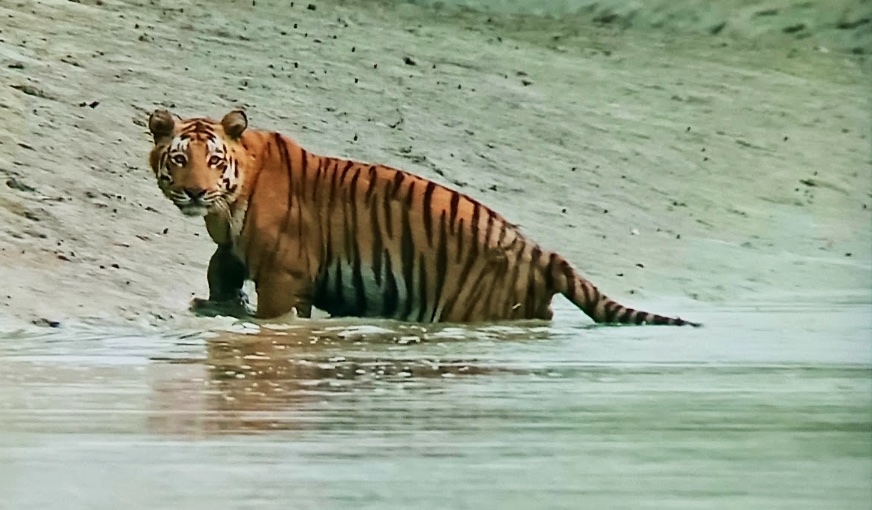
The boatmen shared tiger-sighting stories: glimpses from a channel, signs on a bank, the sudden quiet of a forest that felt close. They spoke not as if a tiger were a show, but with respect for an animal a visitor may never see. Ashok also told us of honey collectors who travel deep into the mangroves to gather wild honey. Their work depends on knowledge of tides and forest, and carries real risk. The Sundarbans is not empty wilderness; it sustains local livelihoods.
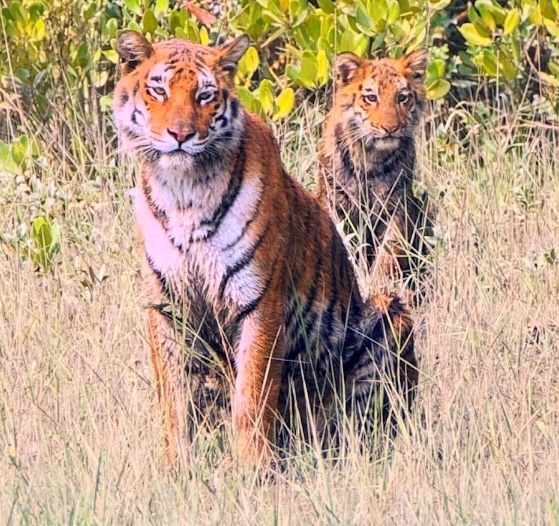
Its protected history is layered. Sundarban Tiger Reserve was among India’s first nine tiger reserves, declared under Project Tiger in 1973. The reserve includes Sajnekhali Wildlife Sanctuary, Sundarbans National Park and surrounding forest. The National Park became a UNESCO World Heritage Site in 1987, and the wider Indian Sundarbans was constituted as a biosphere reserve in 1989.
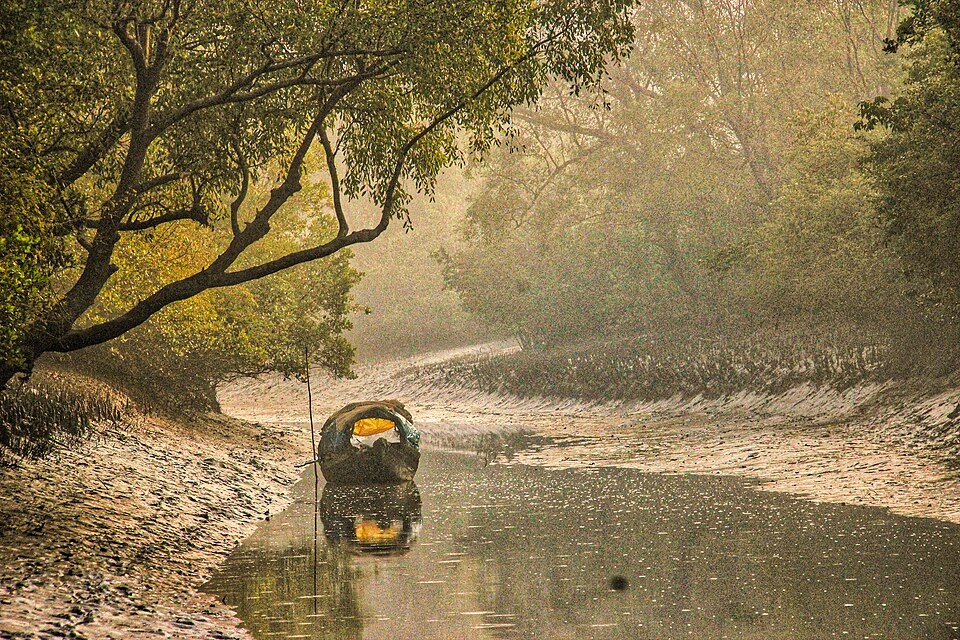
Ashok’s knowledge also turned our attention to the future. He spoke about rising heat, more damaging cyclones, changing salinity and eroding islands. These are not distant concerns: mangroves shelter wildlife and help protect coastal communities from storms and tidal surges. A study of the central Indian Sundarbans found rising salinity and changes in mangrove communities in the wake of cyclone-driven saltwater intrusion between 2017 and 2021. Climate change adds pressure to an ecosystem already shaped by tides, erosion and human needs.
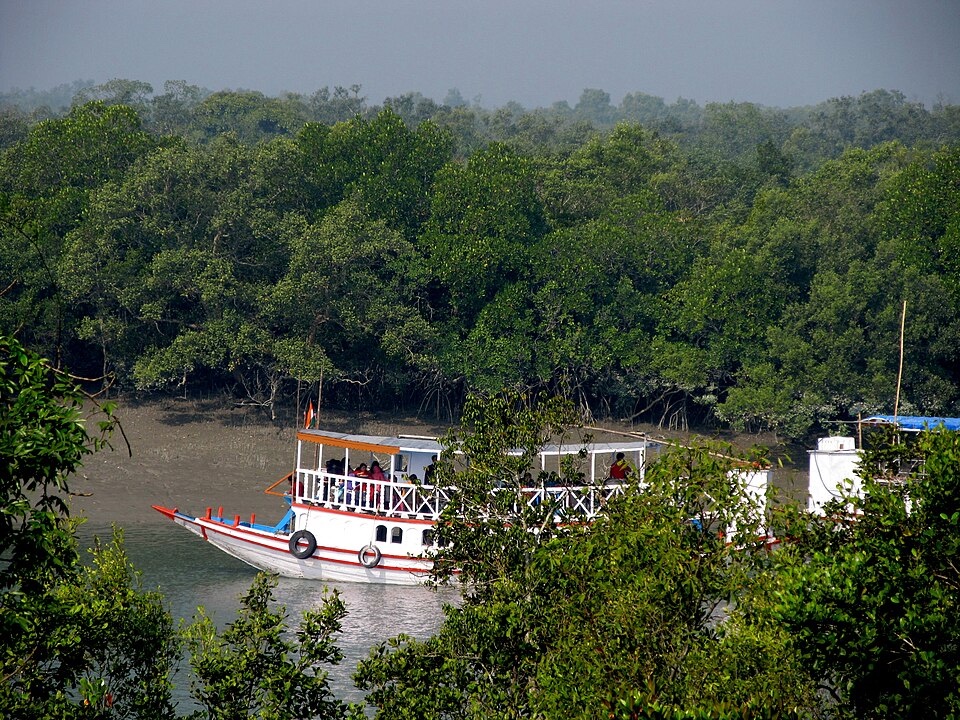
A boat safari makes sense here because water is the way into the reserve: visitors travel inside by registered boat or launch, with an authorised guide, rather than walking through fragile habitat. But a boat is not permission to go anywhere. We kept voices low, stayed on the permitted route and watched without asking the crew to chase wildlife. In 2025, core mating areas were closed to tourists from June 15 to September 15, while other areas remained open; restrictions can change, so check current Reserve notices before travelling.
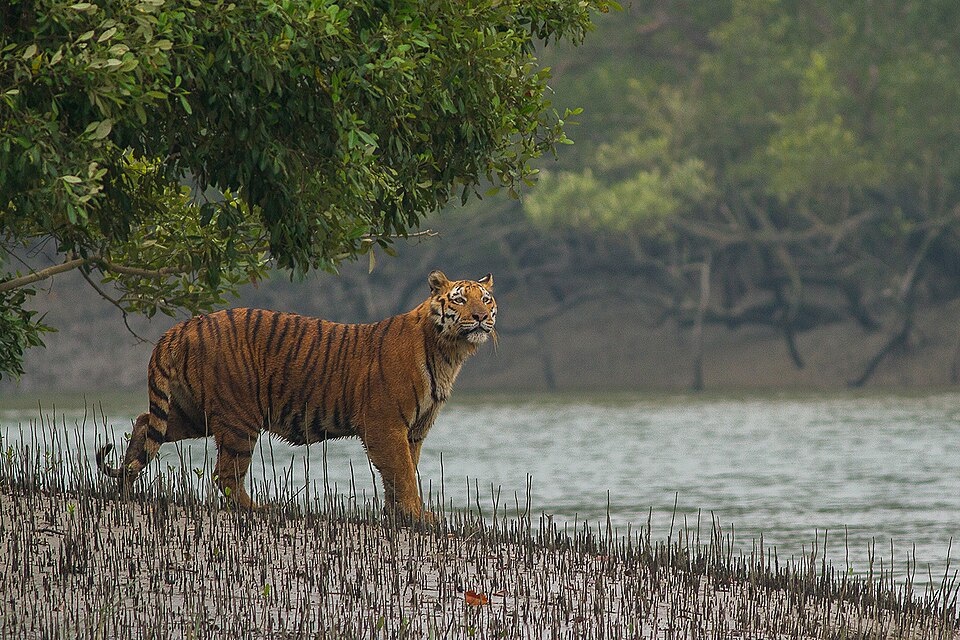
By the time we returned, the tide had rearranged the banks again. I carried away no guaranteed tiger photograph, but something better: crabs in the roots, kingfishers over the water, and Ashok Mandol’s reminder that this forest is always changing—and deserves to be met on its own terms.
