A Journey Through Happiness, Heritage and Himalayan Valleys
Bhutan is best experienced slowly. In a country where Buddhist values, cultural preservation, environmental responsibility and wellbeing are gathered under the philosophy of Gross National Happiness, a hurried itinerary misses the point.
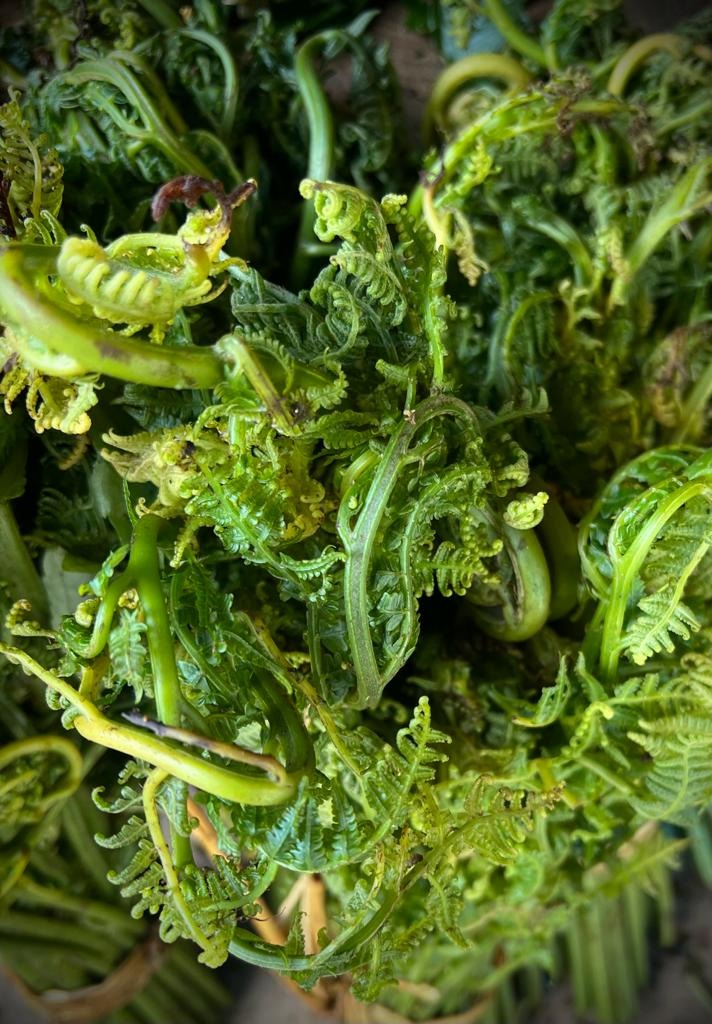
The ideal week-long journey is a gentle circuit through Thimphu, Punakha and Paro, combining dzongs, village walks, traditional food, Himalayan landscapes and time to pause. This six-day, five-night route is well suited to travellers seeking meaningful encounters rather than a race between famous landmarks.
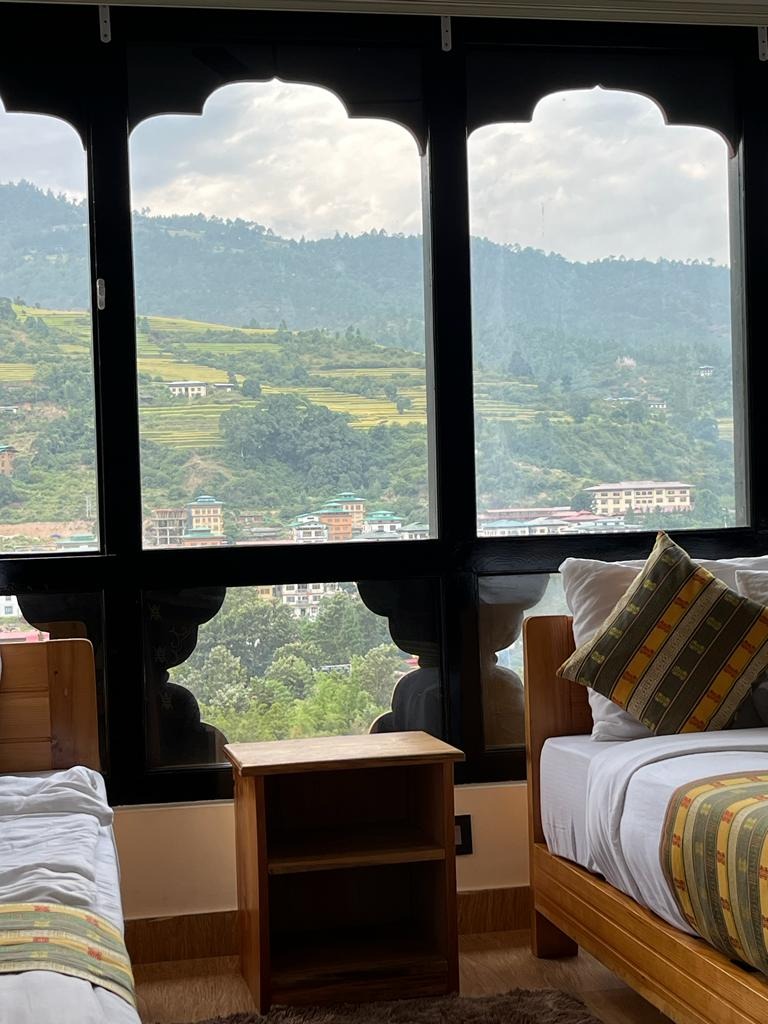
Arrive through Paro and discover Thimphu
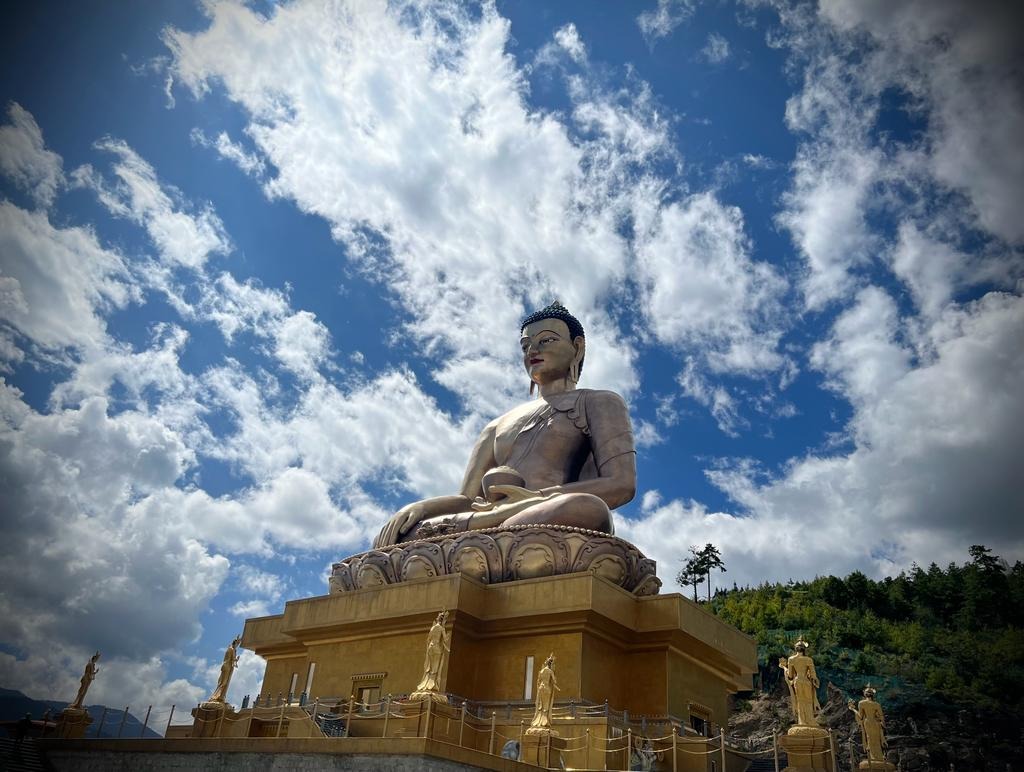
The journey begins with arrival at Paro, Bhutan’s atmospheric gateway, followed by a scenic drive of roughly three and a half hours to Thimphu. The capital offers an immediate introduction to Bhutan’s balance of tradition and modern life. At Buddha Point, the enormous Buddha Dordenma overlooks the valley and provides a calm first view of the city and surrounding mountains.
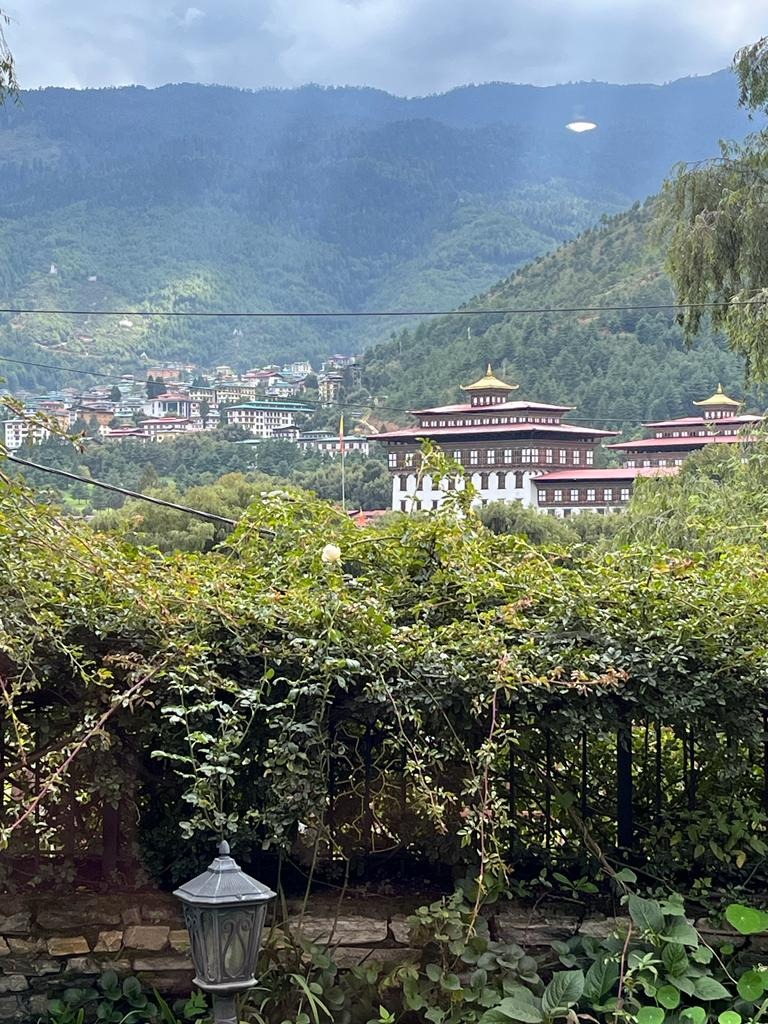
Spend the afternoon at the National Institute for Zorig Chusum, where painting, carving, sculpture and embroidery preserve Bhutan’s classical arts. The National Textile Museum adds another essential dimension. Weaving is not merely a craft in Bhutan; it is closely connected to national identity and remains a living tradition 1. If time permits, visit the Centenary Farmers’ Market for a more everyday view of local life, or Tashichho Dzong, the capital’s impressive fortress-monastery and administrative centre.
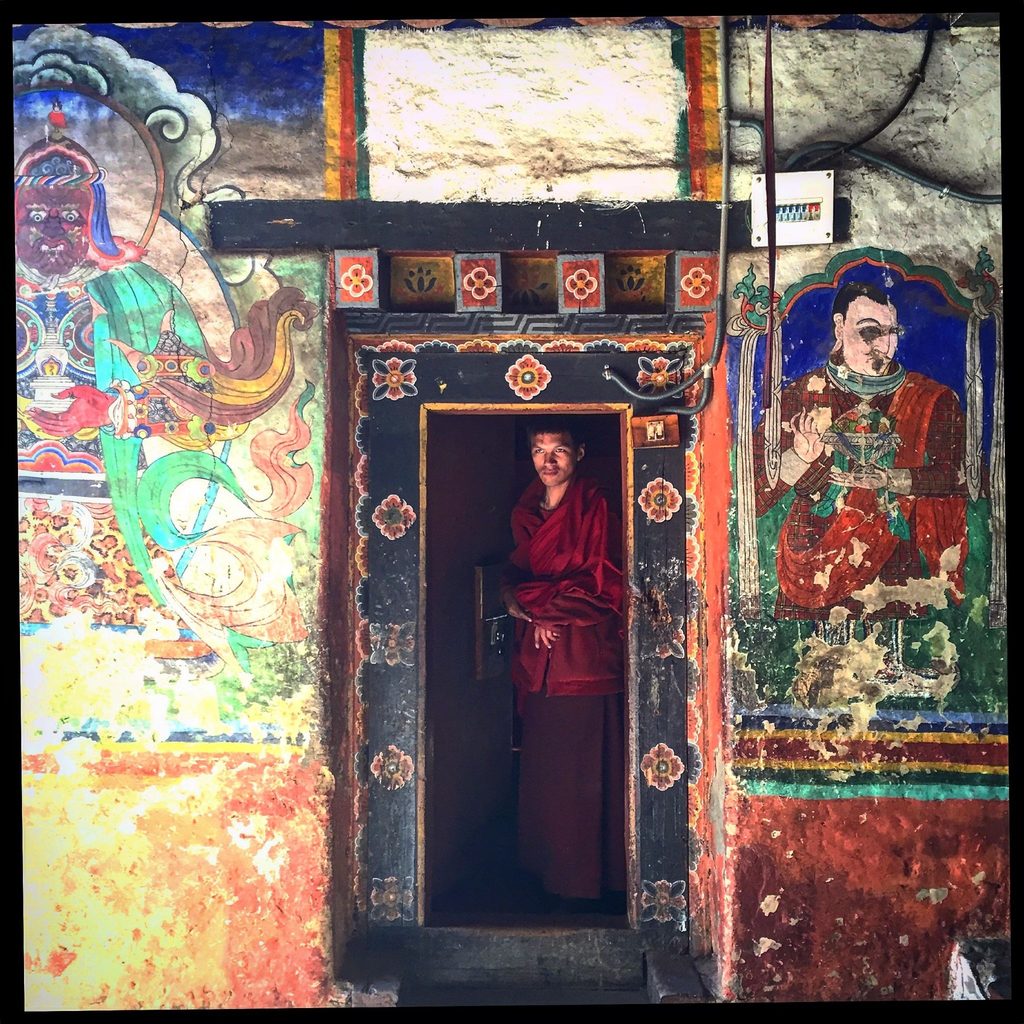
The following morning, leave Thimphu for Punakha. Stop at Dochula Pass if weather allows. Its 108 memorial stupas and broad Himalayan views are memorable in clear conditions, while mist gives the pass a quiet, atmospheric quality. Continue to Lobesa for a traditional Bhutanese lunch, then take the easy village path to Chimi Lhakhang.
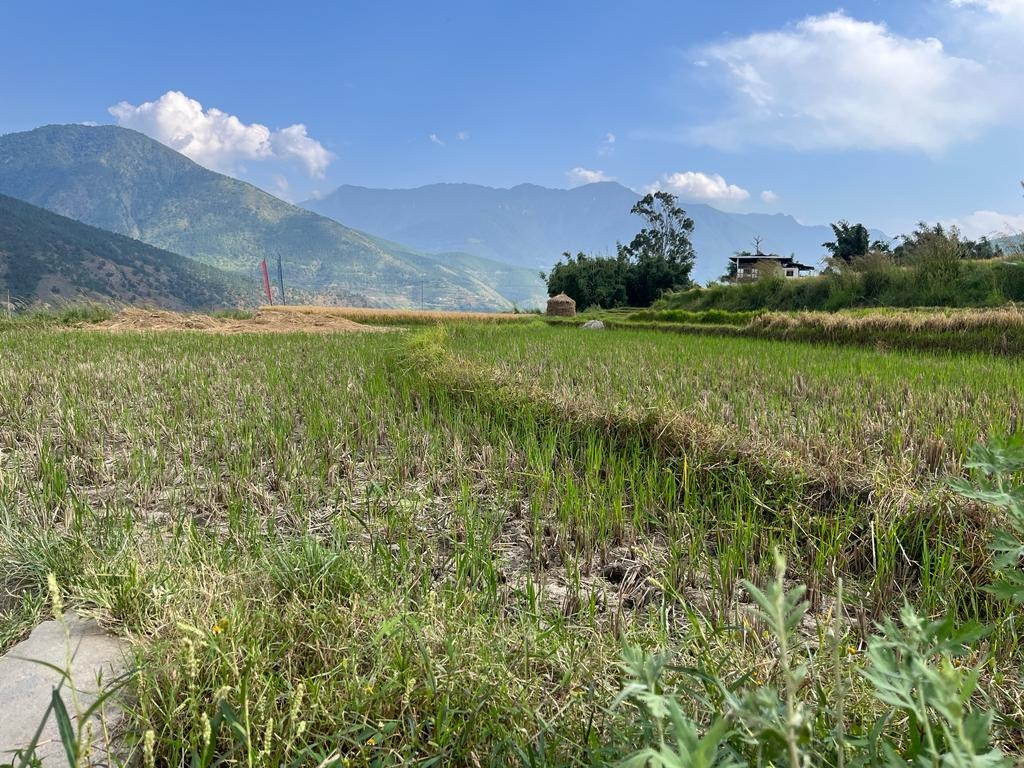
The walk through farmland makes the temple visit as important as the destination itself: it reveals homes, fields and rural rhythms that a vehicle-bound tour cannot provide.
Rivers, villages and Bhutanese hospitality
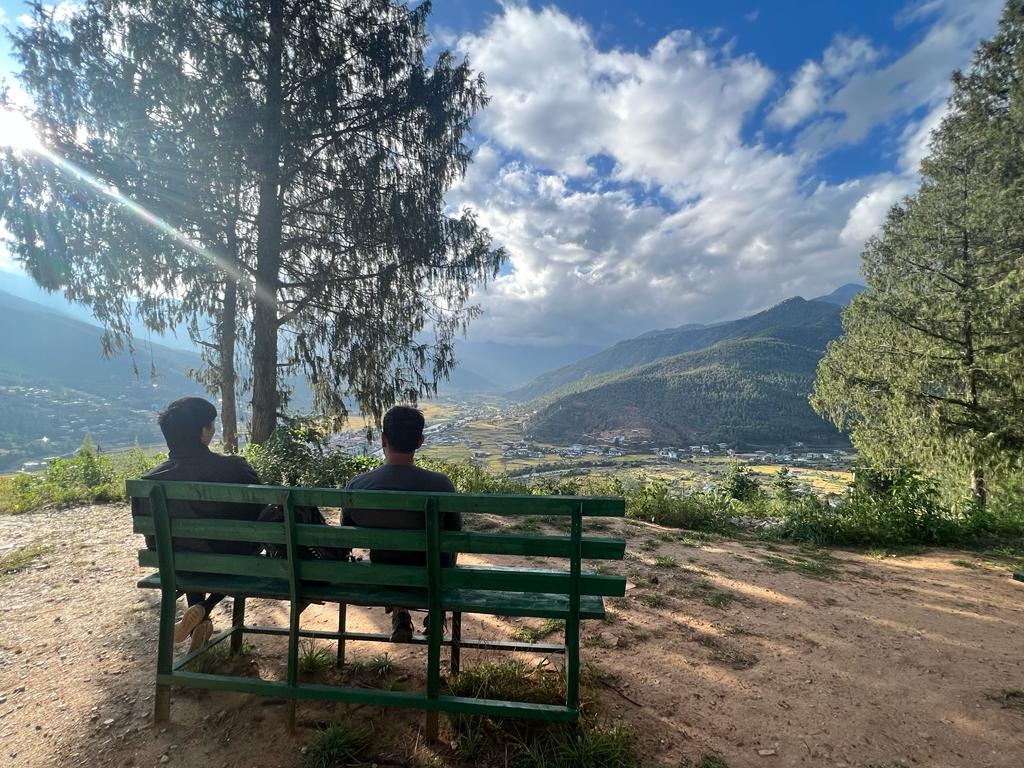
Punakha deserves a full day. Begin with the moderate, approximately one-hour walk to Khamsum Yulley Namgyal Chorten. The trail rises through the valley landscape to a beautifully situated chorten, or stupa, with rewarding views. Later, gentle rafting on the river adds a light adventurous element without changing the relaxed character of the trip. A riverside picnic lunch keeps the day informal and connected to the landscape.
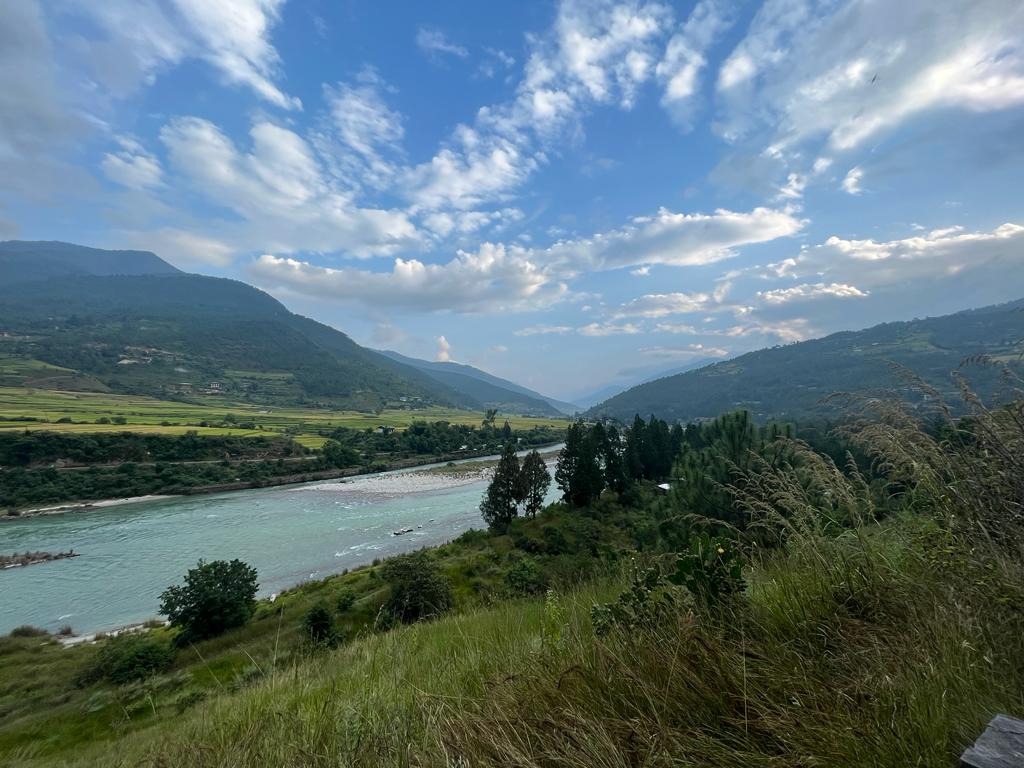
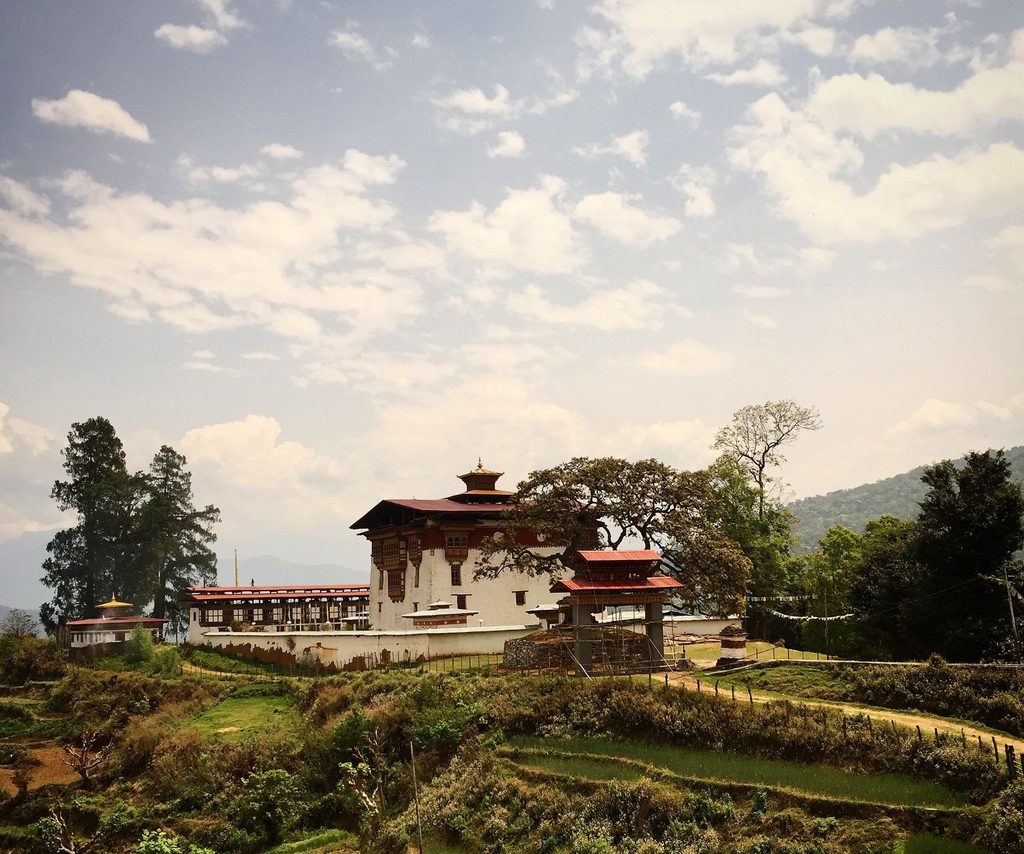
In the afternoon, explore Punakha Dzong, one of Bhutan’s most significant monuments. Set where two rivers meet, it combines religious importance, elaborate architecture and an exceptional natural setting. Continue across the suspension bridge and, if energy and conditions permit, walk towards a nearby village. These small encounters reflect the spirit of authentic Bhutan travel: local food, village life and time outdoors rather than constant sightseeing.
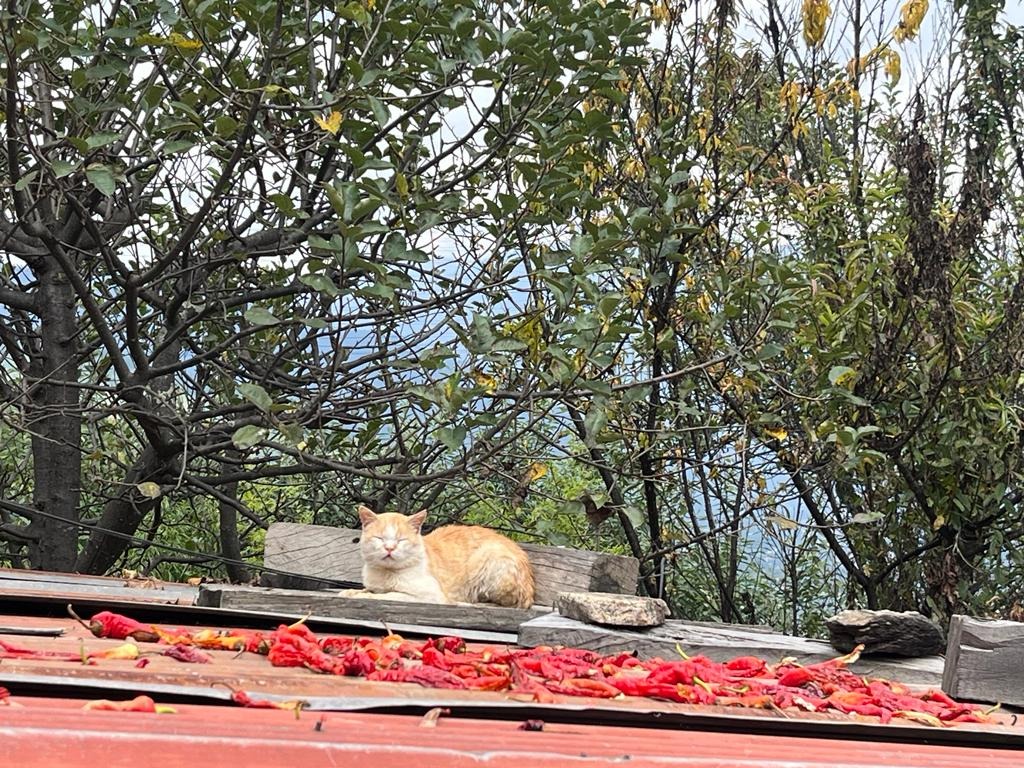
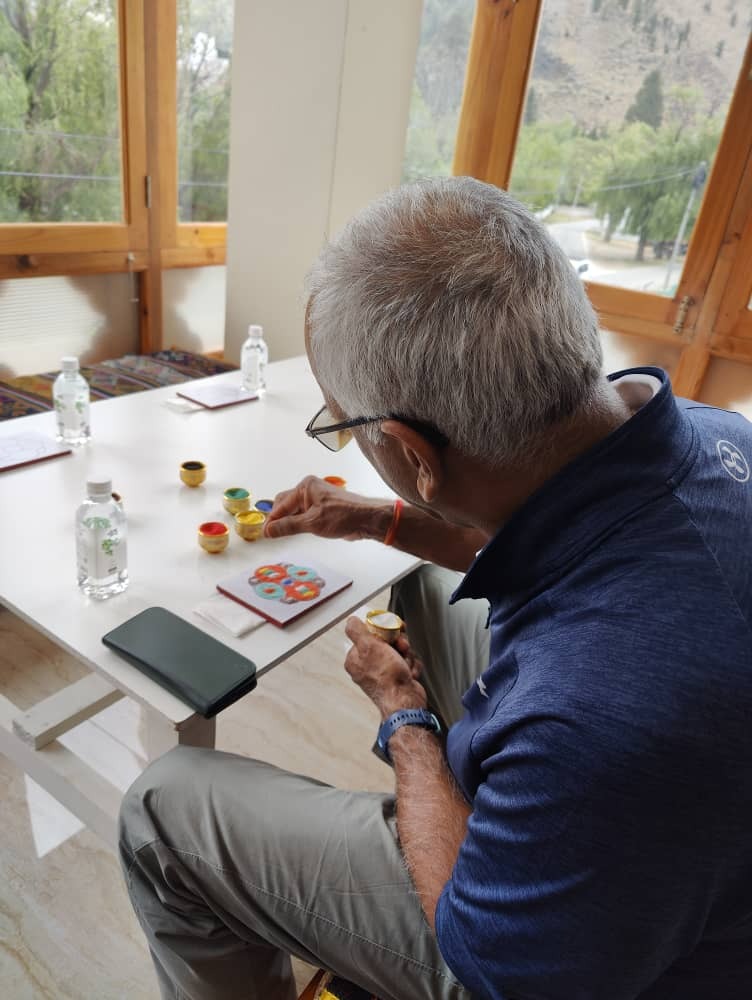
The drive to Paro takes about four and a half hours, so make the journey itself part of the experience. Break the route at Aum Teobzam Farm Stay for a cooking session and lunch. Learning to prepare a home-style Bhutanese meal, perhaps including ema datse—chillies cooked with cheese—offers a more intimate cultural connection than a restaurant meal alone 1. After arriving in Paro, try mandala art under expert guidance. The intricate Buddhist designs demand patience and concentration, making this both a creative activity and a quiet meditation. End the day with a walk through Paro town and time to buy textiles, handicrafts or other thoughtful gifts.
Choose reflection or mountain scenery
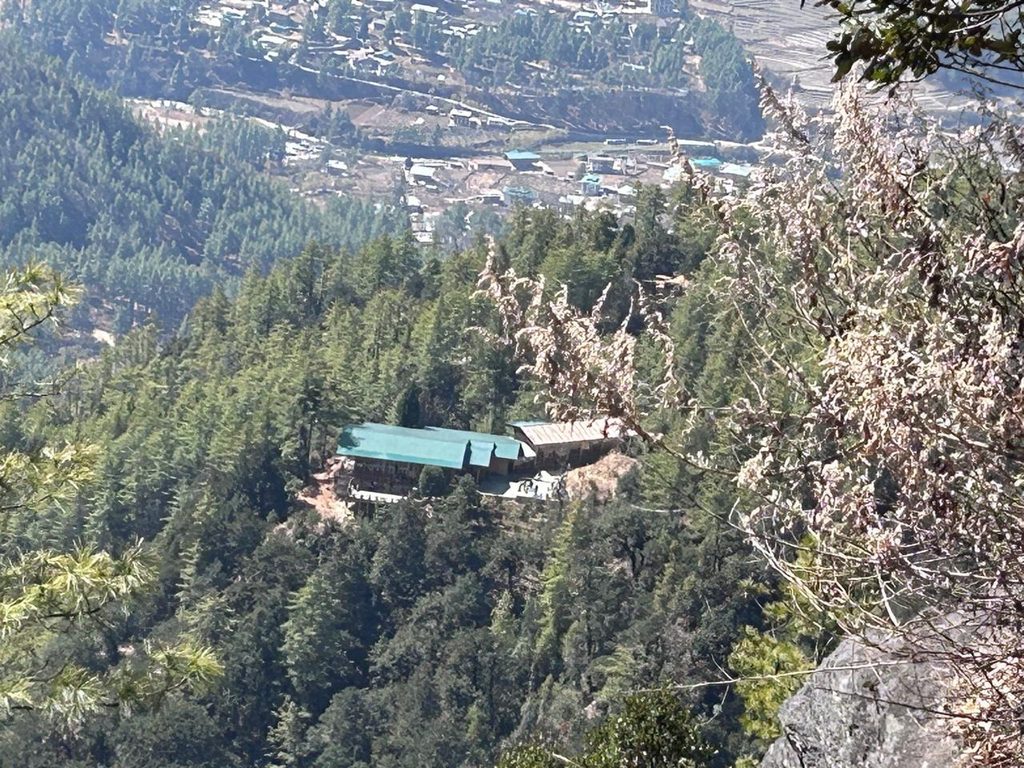
Paro’s final full day offers two equally strong choices. The cultural and spiritual option begins at Kyichu Lhakhang, one of Bhutan’s oldest and most sacred temples. Lighting a butter lamp, followed by the walk to Dumtse Lhakhang, creates a slower, more contemplative morning. After a farmhouse lunch, visit the National Museum and Paro Dzong to place the journey’s religious and artistic experiences in historical context.
Travellers who prefer mountain scenery can drive to Chele La, one of Bhutan’s highest motorable passes. A short walk, depending on weather and fitness, opens views across highland landscapes. The afternoon can still include the National Museum and Paro Dzong. Whichever option you choose, finish with a traditional hot stone bath at the farmhouse. Heated river stones warm the water, creating a restorative Bhutanese wellness experience after several days on mountain roads and walking trails.
Travel thoughtfully
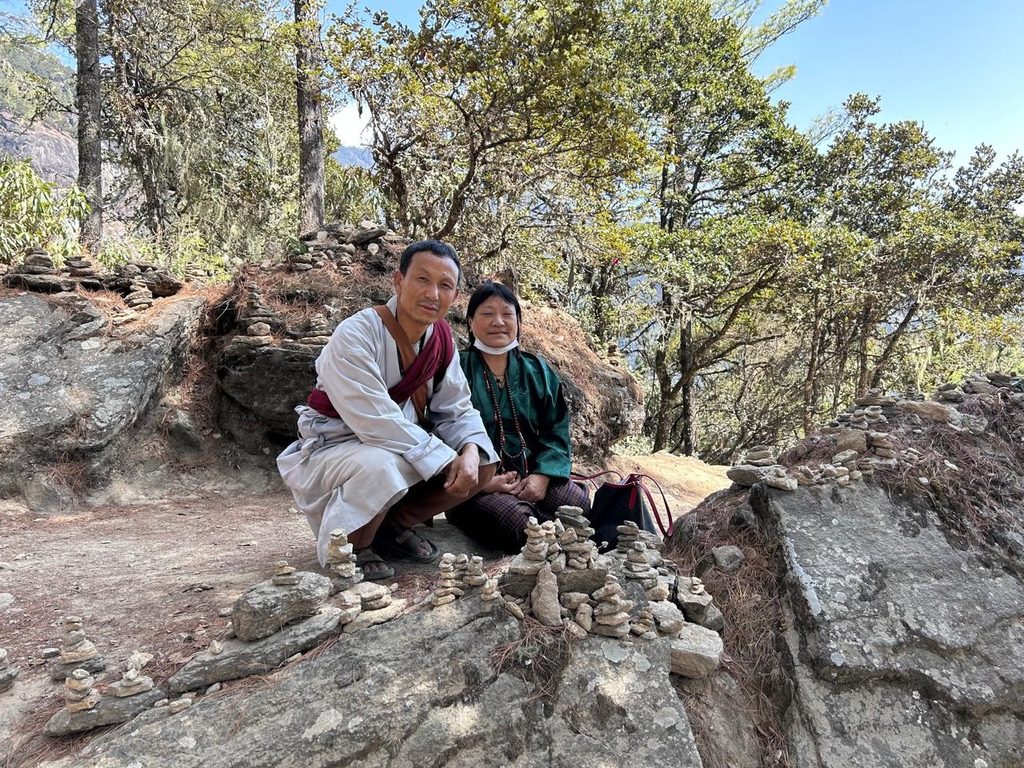
This route works best with a Bhutanese guide and private driver, since distances are measured in winding Himalayan roads rather than straight lines. Allow flexibility: cloud, rain or snow can affect Dochula, Chele La, Khamsum Yulley and village walks. Bhutan’s “low impact, high value” approach asks visitors to respect monasteries, dress modestly, support local hosts and remain open to a less hurried rhythm
A week in Bhutan will not cover every valley or trekking route, but it can offer something more valuable: a coherent sense of how spirituality, landscape, craft, food and ordinary life fit together. By travelling from Thimphu to Punakha and Paro at an unhurried pace, you leave with more than photographs. You leave with an experience of Bhutan on its own terms.