
For five hundred years, only men were allowed to perform it. Celibate monks, bound by vows of silence and devotion, moved through sacred rituals in monasteries hidden on a remote river island.
Their hands told stories of gods and demons. Their feet drummed the heartbeat of an ancient faith. It was forbidden. It was sacred. It was theirs alone.

Then slowly the change happened.
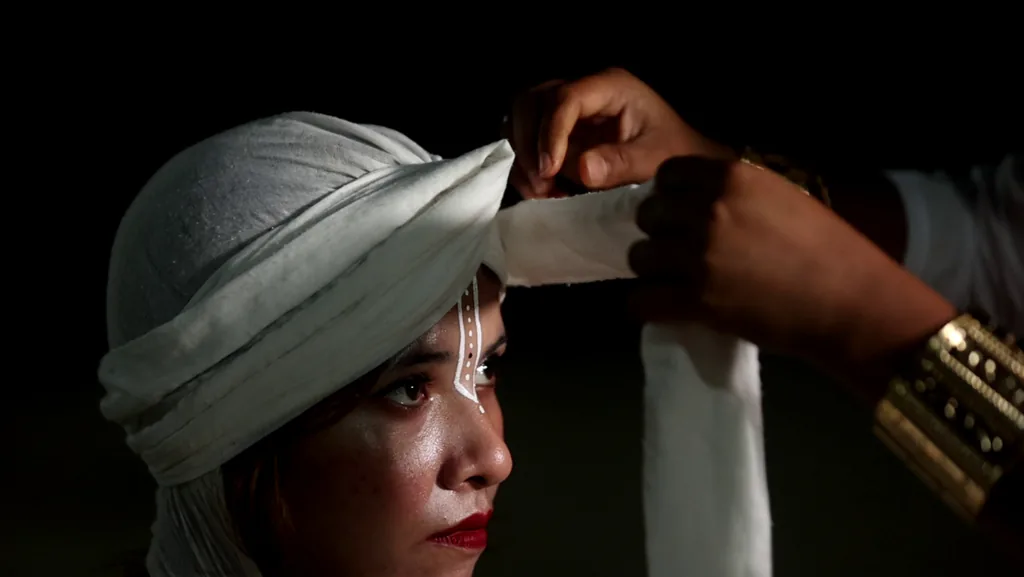
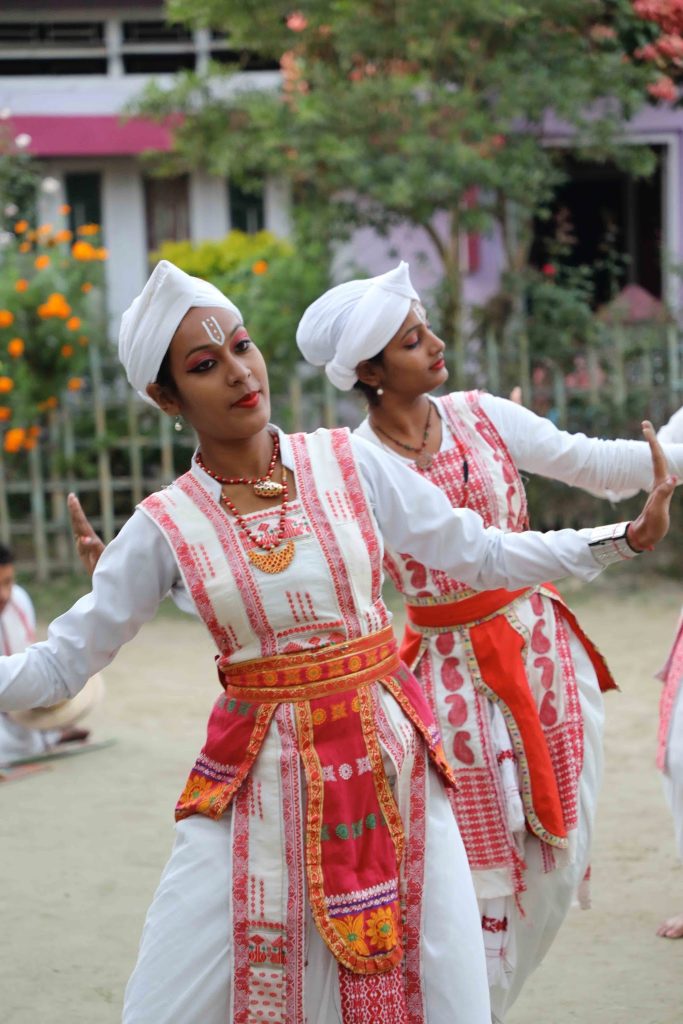
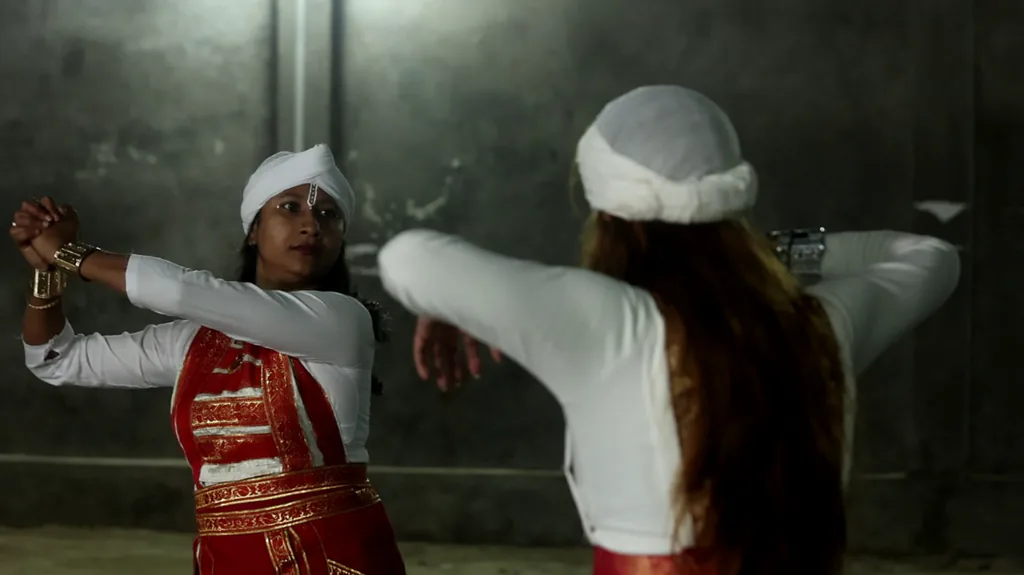
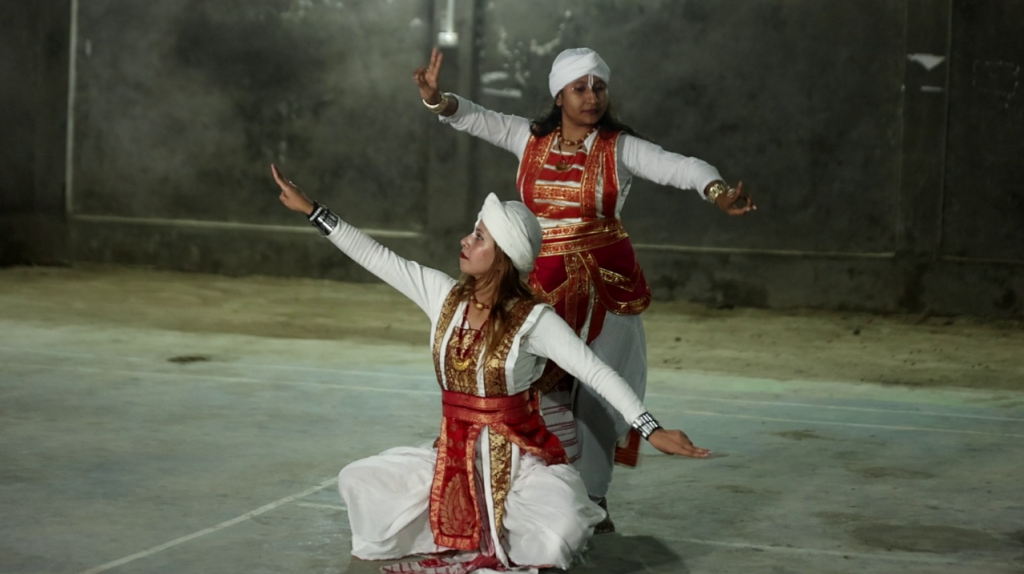
Today, on Majuli Island in Assam, young women, girls barely out of their teens perform what once only male monks once danced. They wear the same silk costumes their predecessors wore centuries ago. They perform the same sacred movements. They carry the same spiritual weight. But they are breaking a five-hundred-year-old tradition simply by existing in that space. This is the Dashavtar dance, the Sattriya Nritya and I have come to witness this extraordinary moment when an ancient art form collides with the modern world.
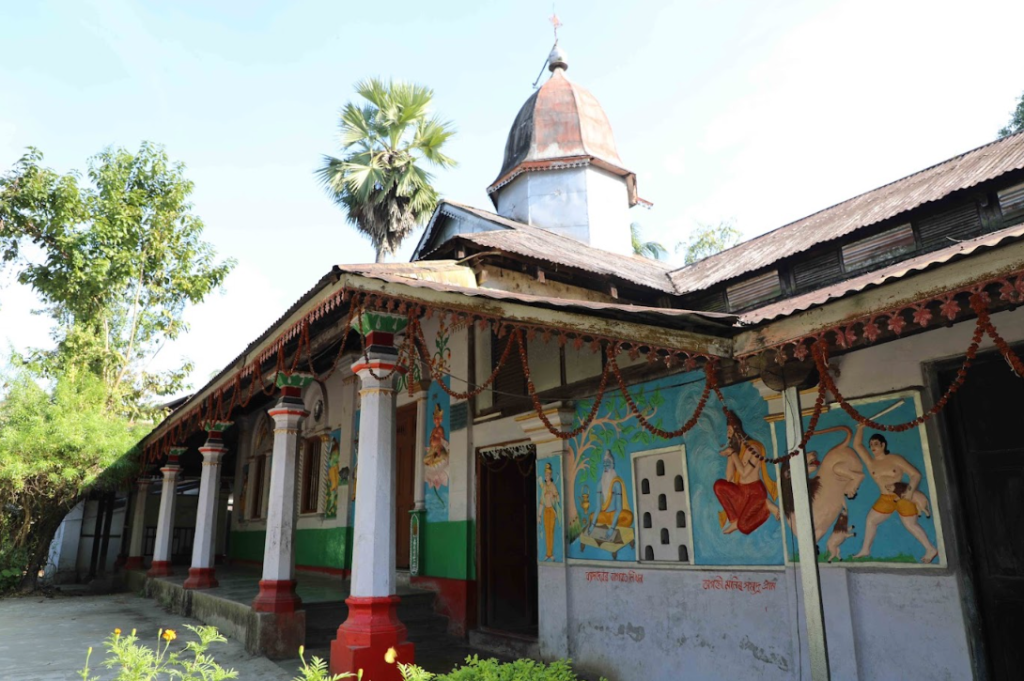
The river island of Majuli sits like a jewel in the mighty Brahmaputra, a sanctuary that time seems to have forgotten. It is here, within the weathered walls of the Vaishnava satras, monasteries founded in the sixteenth century by the great saint Srimanta Sankaradeva, that one of India’s most extraordinary classical dance traditions has survived, evolved, and now, is being reclaimed by a new generation of young women who refuse to let it die.
To understand what these girls are doing, you must understand where it all began. In the fifteenth century, a visionary saint named Srimanta Sankaradeva arrived in Assam with a radical idea: he would use dance, music, and drama to teach the philosophy of devotion to Lord Vishnu. He created the ankiya bhaona elaborate one-act plays and composed borgeets, devotional songs based on classical ragas that would make the divine accessible to everyone.
He founded satras, monastic communities where monks would live, worship, and perfect this sacred art form. For five hundred years, these satras became the guardians of Sattriya Nritya, a dance form so pure, so disciplined, so spiritually profound that it would eventually be recognized as one of India’s eight classical dances.
But there was a problem: women were not allowed. The satras were male-only spaces. The dance belonged to celibate monks. The tradition was locked behind monastery walls, passed from guru to shishya, teacher to student, in an unbroken male lineage.

I arrived at the satra on a misty morning, the ferry cutting through the Brahmaputra’s waters like a knife through silk. The island emerged slowly from the fog. Ancient, alive with a spiritual energy that seemed to vibrate in the very air. Inside the prayer hall, I found them: a group of young girls, their faces glowing with anticipation, preparing for a performance that their grandmothers could never have imagined.
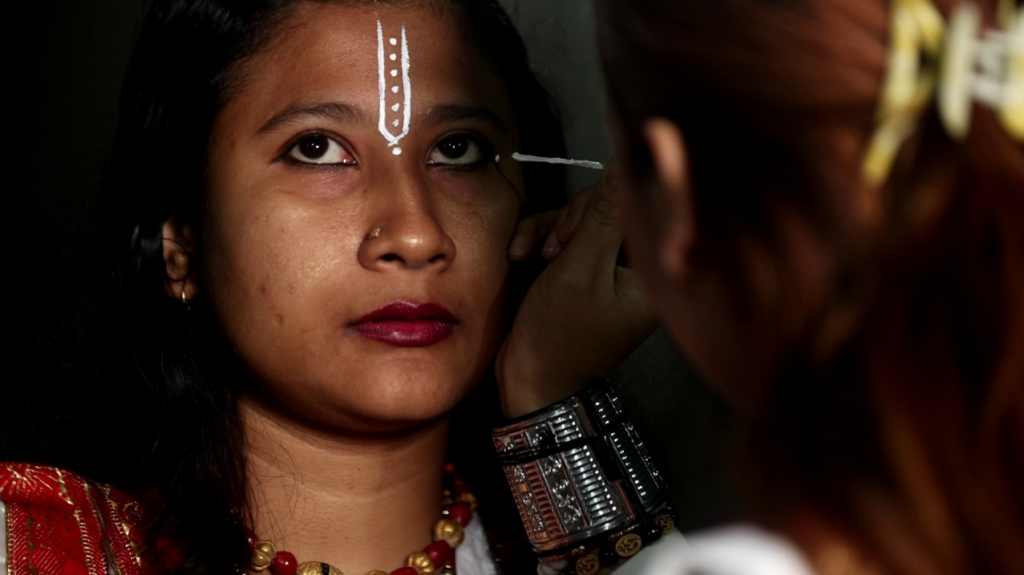
Watching them prepare was witnessing a quiet revolution. They moved with practiced grace, adorning themselves in the traditional dhuti and chadar, woven from exquisite Assamese pat silk, the same mulberry silk that has clothed dancers for centuries. Each fold of fabric was placed with deliberate care. The kanchi, a delicate waist cloth, was tied securely. And then, the ankle bells—the voice of their footwork—were fastened. These were not mere ornaments. These were instruments of devotion. In their eyes, I saw not just the excitement of performance, but the weight of a five-hundred-year-old legacy that they were now, for the first time, allowed to carry.

Then, the music began. The borgeet—a classical devotional composition whose roots reach deep into the spiritual soil of Assam—filled the prayer hall. The gayan-bayan, the traditional singers and musicians, created a soundscape that was both earthy and transcendent. The deep, resonant thrum of the khol drum—that ancient percussion instrument—anchored the rhythm, providing the heartbeat of the performance. The sharp, metallic clash of the taals cut through the air like lightning, creating a pulse that resonated in my chest. The flute wove melodies that seemed to speak directly to the soul. This was not background music. This was the voice of five centuries of devotion.

The girls stepped onto the floor, and the Dashavtar dance began. This was Sattriya Nritya in its most sacred form. Through intricate hand gestures—hastas—and precise, rhythmic footwork, they began to tell the ancient story of Lord Vishnu’s ten incarnations, the divine forms he took to protect the universe from chaos and evil. With every movement, they transformed. One moment, they embodied the fierce power of Narasimha, the half-man, half-lion avatar; the next, the serene grace of Krishna, the divine cowherd.
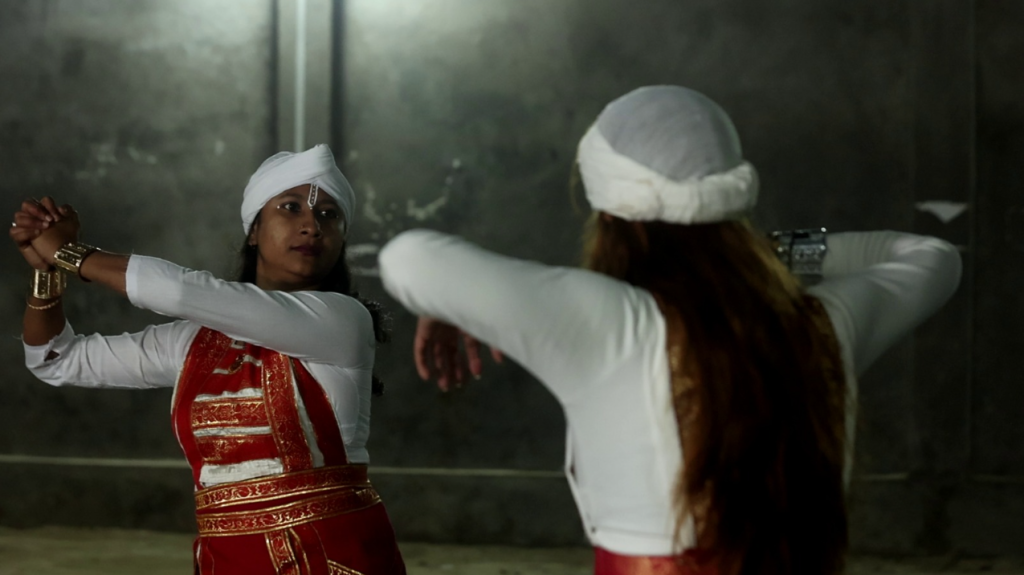
What I witnessed was the result of centuries of refinement in Majuli’s satras. Each mudra—each hand gesture—carried profound meaning, a language older than words. When the dancers’ hands formed the Matsya mudra, with thumbs spread wide and fingers interlocked, they became the cosmic fish rescuing the sacred Vedas from the depths of the ocean. As they transitioned to the Kurma mudra, their hands curved inward in a perfect circle, embodying the tortoise that bore the weight of the universe during the mythical churning of the cosmic ocean. The Narasimha mudra erupted with fierce energy—the left hand forming a lion’s face, the right hand in a powerful tripataka gesture—as the dancers’ bodies tensed and their eyes blazed with divine ferocity. In the Krishna mudra, both hands formed the delicate mrigashirsha gesture, the deer’s head, one hand facing inward, the other outward, as if playing an invisible flute.
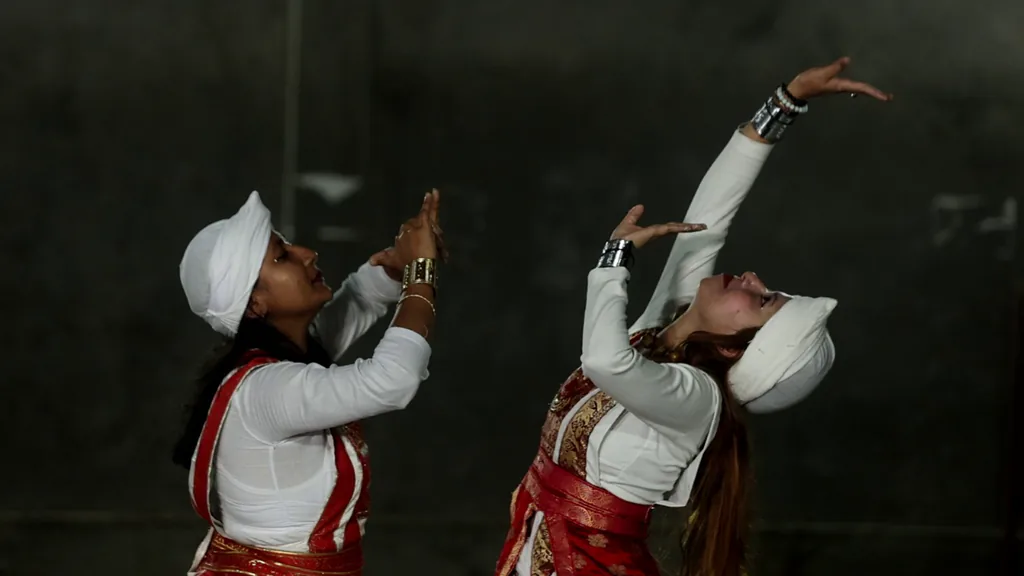
The footwork, called chari in the Sattriya tradition, grounded each gesture to the earth. The dancers’ feet stamped with controlled precision, creating rhythmic patterns that ranged from gentle, earth-bound movements to powerful, explosive steps. This was not mere choreography; this was the Mati-Akhora—the foundational movement vocabulary of Majuli’s Sattriya—refined over five centuries and passed down through the sacred guru-shishya lineage. Every stance, every turn, every leap carried the weight of tradition and the spark of spiritual awakening. The girls’ bodies moved between two contrasting energies: the tandava, vigorous and masculine, depicting the warrior avatars with angular, assertive movements; and the lasya, soft and graceful, showing divine compassion and beauty through flowing, delicate gestures. In this dance, I saw the entire philosophy of Majuli’s Sattriya tradition—the marriage of earthly discipline and celestial devotion, the transformation of the human body into a vessel for the divine story.
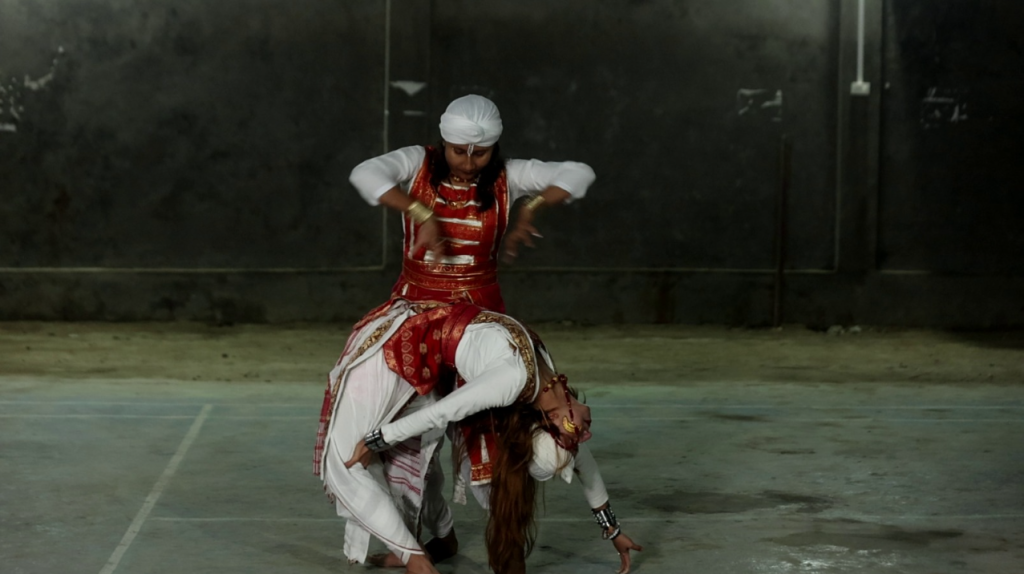
As a traveler, I have witnessed many performances around the world, but this was different. The goal of Sattriya is not merely to entertain, but to awaken bhakti rasa—a deep emotional state of devotion. As I watched these young girls weave stories with their hands and feet, moving in perfect harmony with the ancient melodies, I felt that awakening. The boundary between performer and observer dissolved. The centuries seemed to collapse. I was witnessing not just a dance, but a spiritual revolution—young women reclaiming a tradition that had been denied to them for five hundred years, and in doing so, ensuring that this sacred art form would survive and flourish for generations to come.

When the final beat echoed through the satra and the girls bowed in graceful conclusion, the silence that followed was profound. Majuli Island is slowly eroding, its edges washed away by the very river that surrounds it. The satras face an uncertain future. But in that moment, watching these young women rise from their bows, I understood something fundamental: the soul of Majuli does not reside in the crumbling walls or the shifting sands. It lives in the rhythmic steps of the Dashavtar dance, in the resonant beats of the khol, in the devotion that burns in the eyes of these girls who dared to break a five-hundred-year-old tradition. That devotion, that sacred fire, is eternal. It will outlast the island itself.