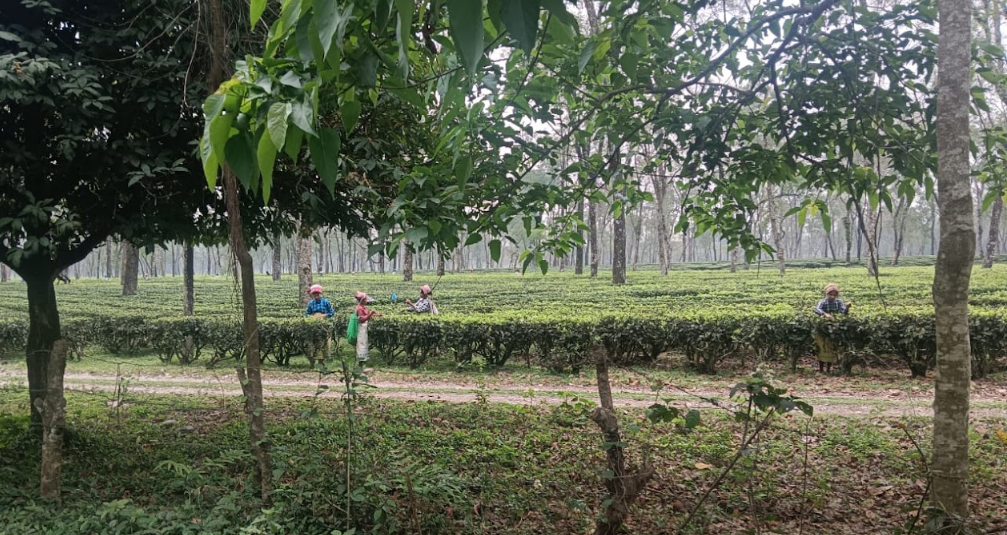
When I was growing up in the tea plantations of Assam, I never imagined that one day I would spend my life designing travel experiences. But as I grew older, I realized something profound: the most meaningful moments of my childhood weren’t the grand gestures—they were the quiet afternoons spent learning from my grandmother, the early mornings walking through the tea gardens with the planters, and the evenings shared with neighbors around a simple meal.
This is what inspired me to create Curtain Call Adventures. I wanted to give travelers what I had been privileged to experience: authentic connection, genuine learning, and the opportunity to step into someone else’s world, not as a tourist, but as a participant.
Over the years, I’ve curated experiences that go far beyond the typical itinerary. These are journeys that demand openness, curiosity, and a willingness to be transformed. Let me share some of the most intense and immersive experiences we offer.
Walking Into the Forest with the Karbi People
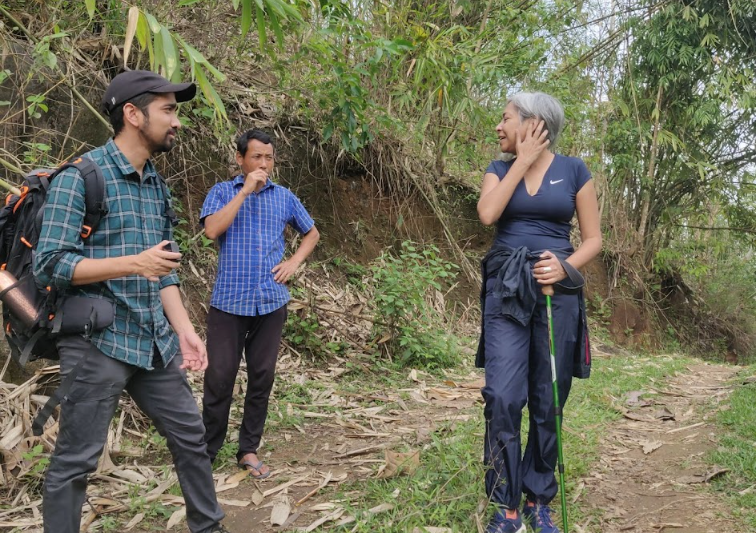
One of my favorite experiences to design is our jungle walk in Kaziranga with the Karbi tribesmen and environmental conservationists. The Karbi people have lived in these forested hillsides for generations, and their knowledge of the land is extraordinary. When you walk with them, you’re not just seeing the forest—you’re learning to read it.
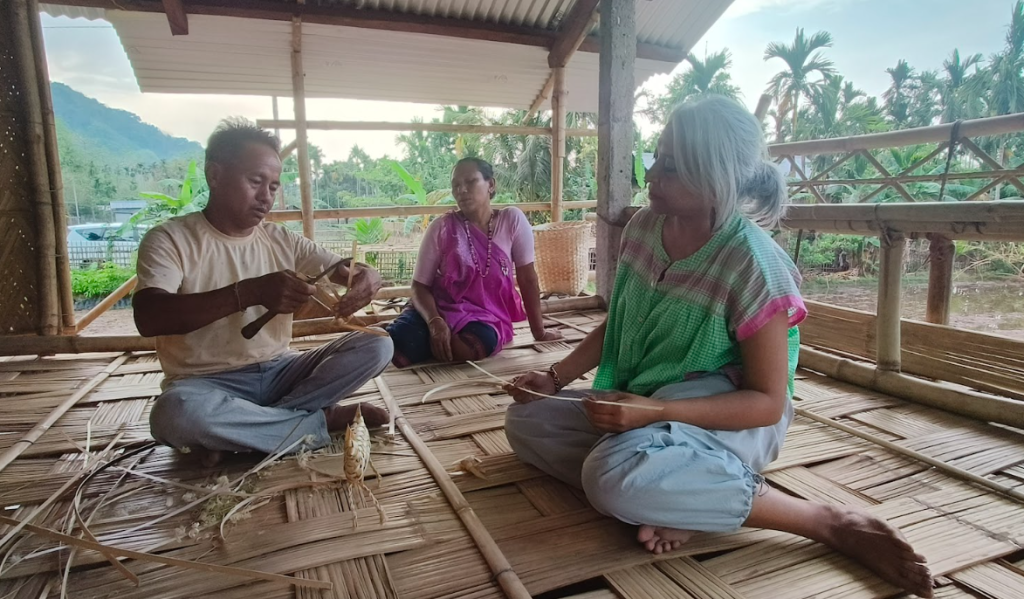
They show you what they forage, how they identify plants used for food and medicine, and the intricate relationships between different species. You’ll see hoolock gibbons swinging through the canopy, butterflies that seem almost unreal in their beauty, and birds you’ve never encountered before. But more than that, you’ll understand why these species matter to the people who live here.
And then we visit their villages. This is where I love to spend time, watching them prepare tea in ways that are completely different from the British colonial methods that dominate the region. It’s a small detail, but it speaks volumes about how communities maintain their identity even as the world changes around them.
The Forest Man of India: A Lesson in Persistence
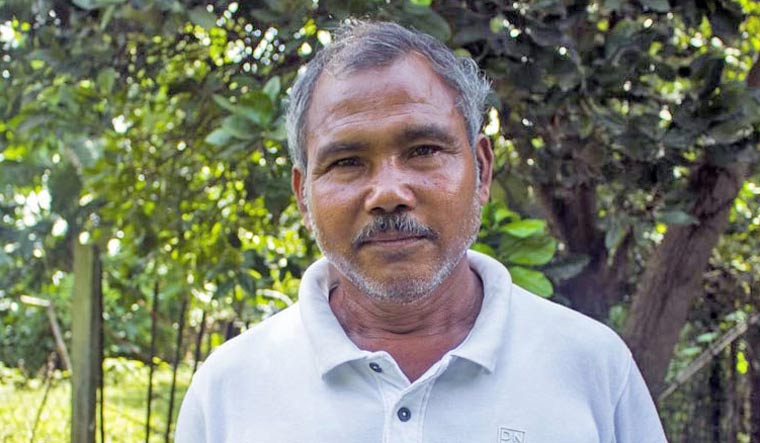
Near Jorhat, there’s a man named Jadav Payeng who has become something of a legend. He’s known as the “Forest Man of India,” and his story is one of the most inspiring I’ve encountered in my years of travel curation.
Decades ago, Jadav looked at the barren sandbars of the Brahmaputra River and saw potential. He began planting trees. One tree. Then another. And another. Today, he has created a forest spanning 1,360 acres—a thriving ecosystem where wildlife now roams freely.
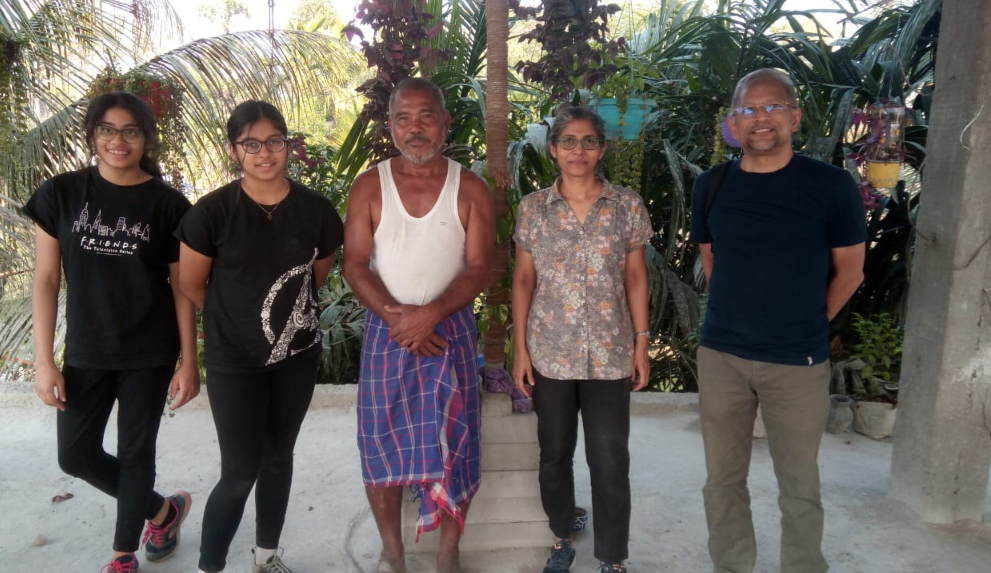
When we take guests to visit Jadav and his family, we don’t just walk through the forest. We spend time with him, hearing his story directly. We learn about the first tree he planted, see how the forest has evolved, and sometimes, if we’re lucky, we catch glimpses of wildlife that now calls this place home. We share a meal with his family, and in those quiet moments around the table, you understand that one person’s vision and determination can literally transform a landscape.
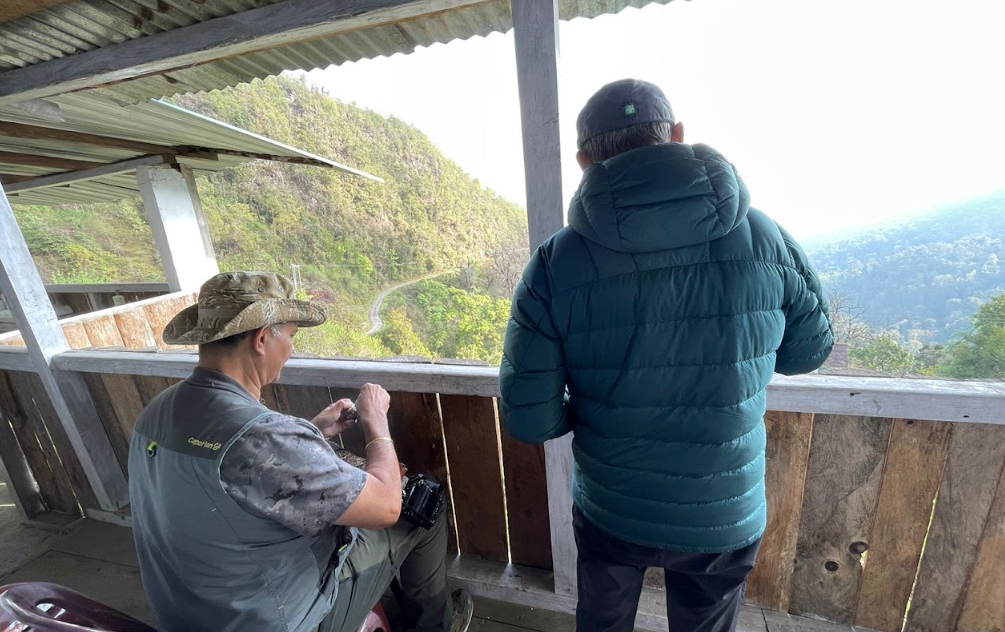
To reach the forest, you walk across the Brahmaputra by boat. There’s something almost spiritual about that journey—leaving the modern world behind, moving toward something created by human hands and nature’s resilience.
Protecting the Rarest of Birds
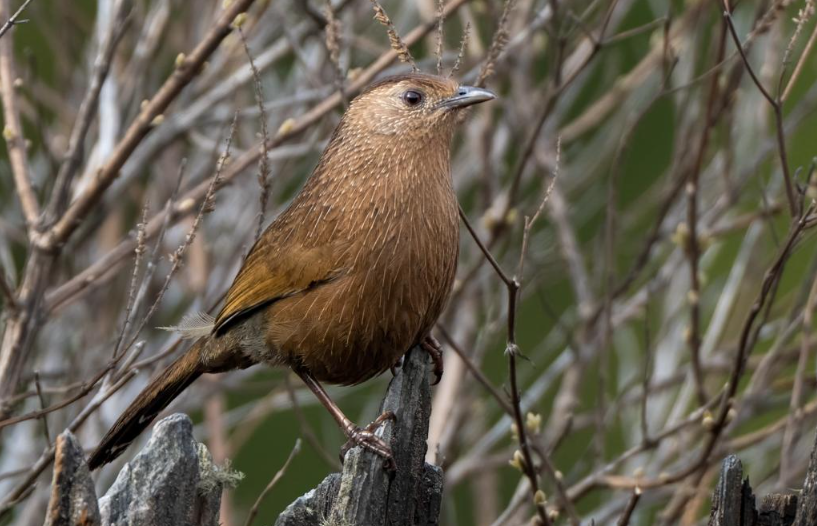
In Tenga, near the Eaglenest Wildlife Sanctuary, there’s a bird so rare that most people will never see it in their lifetime: the Bugun Liocichla. This critically endangered species is found in only a handful of locations, and the people protecting it are some of the most dedicated conservationists I know.
When we arrange experiences here, we connect our guests directly with these protectors. You spend time with them, understand the challenges they face, and share meals with them. You’re not observing conservation from a distance—you’re witnessing it up close, understanding the daily work, the setbacks, the small victories.
It’s intense because it forces you to confront uncomfortable truths about how human development impacts wildlife. But it’s also deeply rewarding because you’re meeting people who have dedicated their lives to solving these problems.
The Heart of Immersive Travel: Food and Farm
Across the Northeast—from Sikkim to Arunachal Pradesh, Nagaland to Assam—we’ve developed farm-to-table experiences that I consider the heart of immersive travel. These aren’t cooking classes in the traditional sense. They’re deep dives into how food connects people to land, season, and tradition.
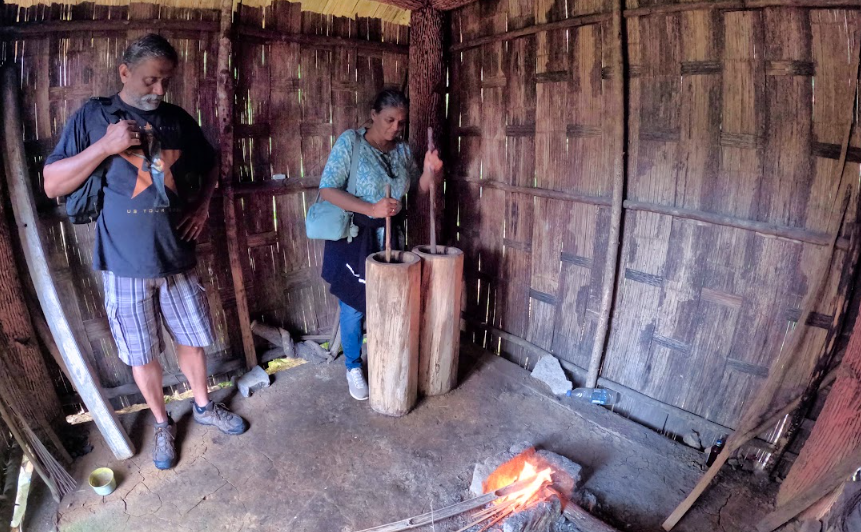
We work with both traditional chefs who have inherited their knowledge through generations and contemporary chefs who are reimagining Northeastern cuisine while honoring its roots. You’ll learn how fermented soybean paste (Axone) is made in Nagaland, how fish is fermented in Manipur to create Ngari—that intense umami flavor that defines so much of the region’s cooking. You’ll see how food is cooked inside hollowed bamboo sleeves, imparting a smoky flavor that you simply cannot replicate any other way.
What I love most about these experiences is that they’re participatory. You’re not watching someone cook; you’re learning to cook alongside them. You’re getting your hands dirty, understanding the rhythm of the work, and tasting the results of your own effort.
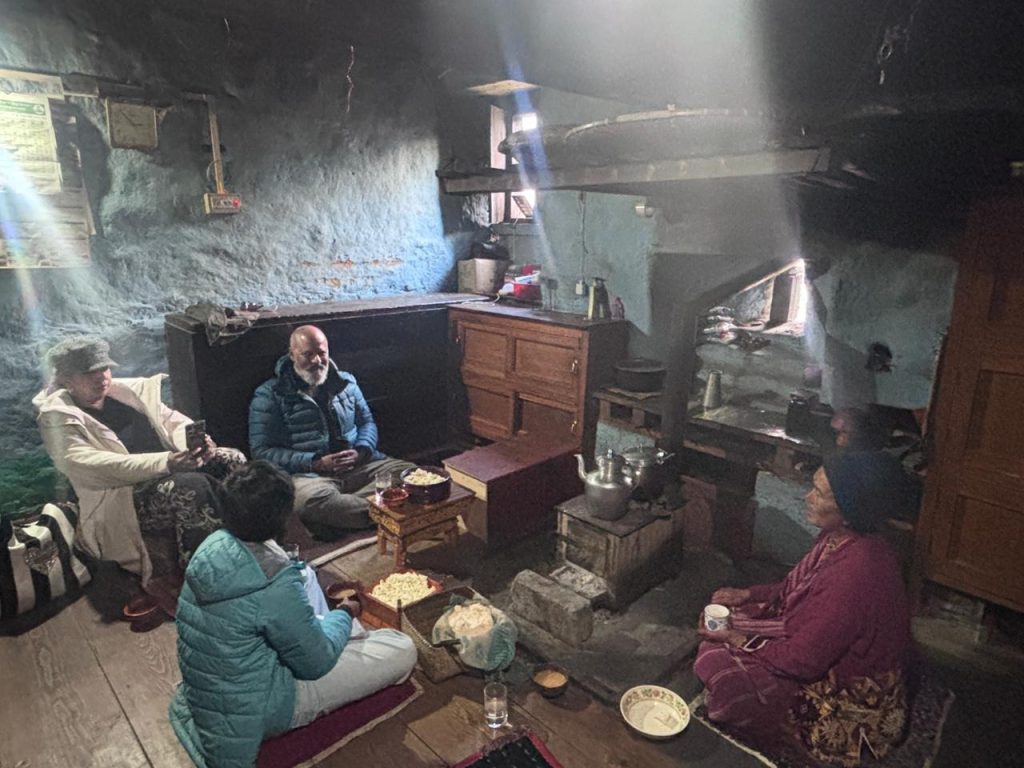
Textile Arts: Where Culture Lives
Some of my most rewarding experiences involve connecting guests with master textile artisans. We arrange residencies in their workshops where you can participate in the creation of contemporary pieces that are exhibited internationally.
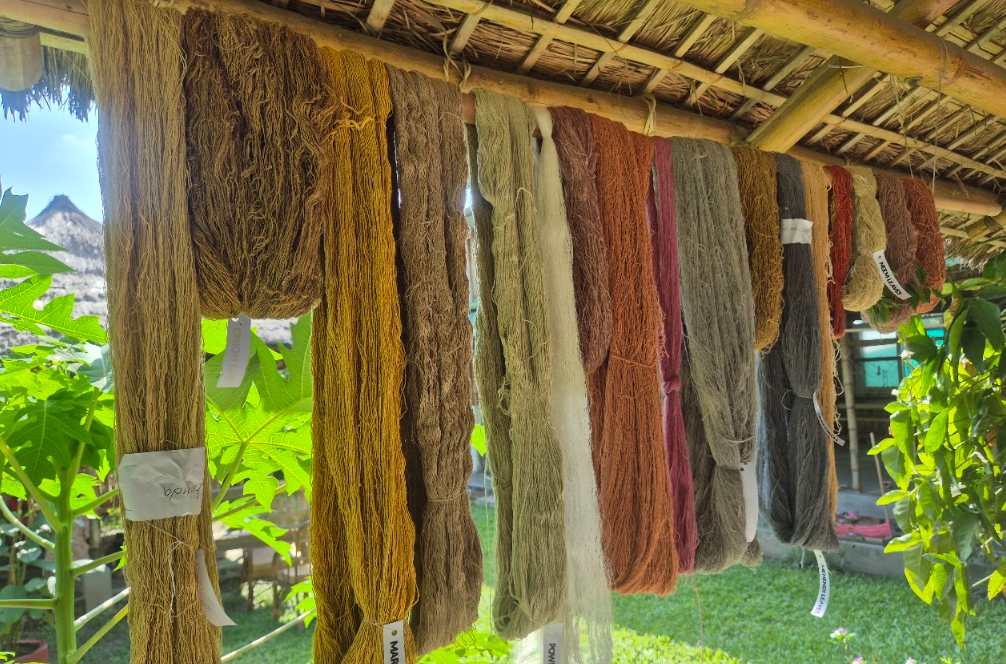
There’s a particular magic in learning about Muga silk—known as “gold silk”—a fiber unique to Assam. You learn how it’s produced, how it’s woven, and why it’s so precious.
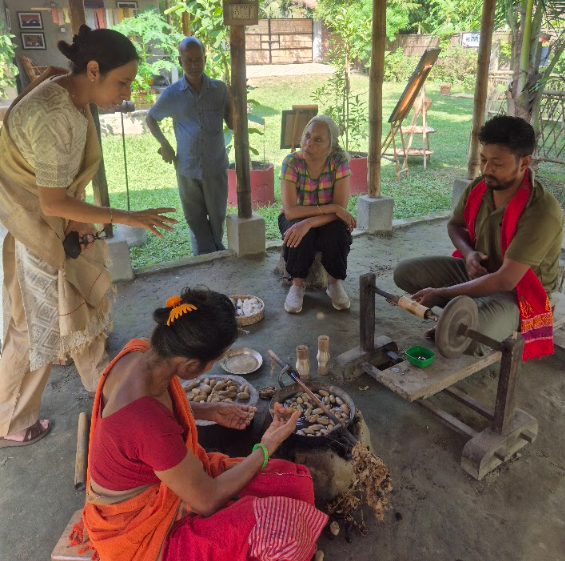
We also connect guests with master dyers who have spent lifetimes perfecting their craft. These are people who know two or three signature dyes intimately—the chemistry, the timing, the subtle variations that make their work distinctive.
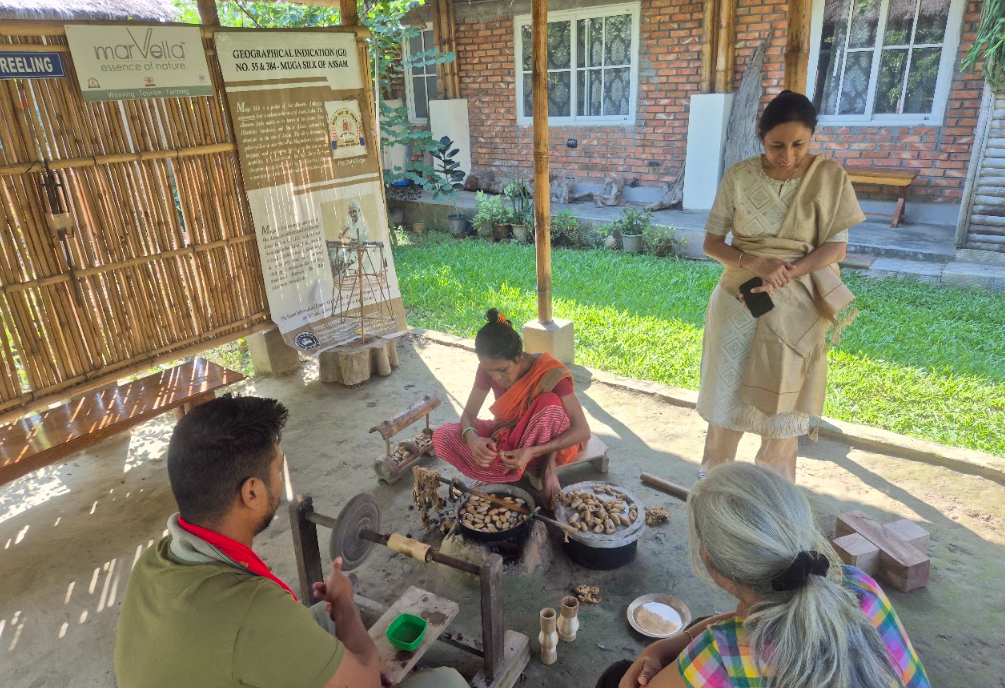
Natural dyes are extracted directly from the forest. Indigo, madder root, and countless other plants become the palette for creating textiles that are both beautiful and sustainable. When you spend time with these artisans, you understand that every piece tells a story.
Walking with Botanists: The Forest Comes Alive
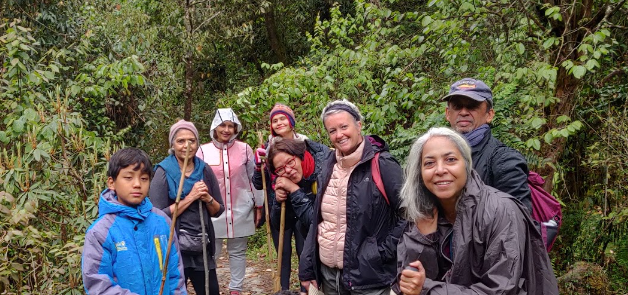
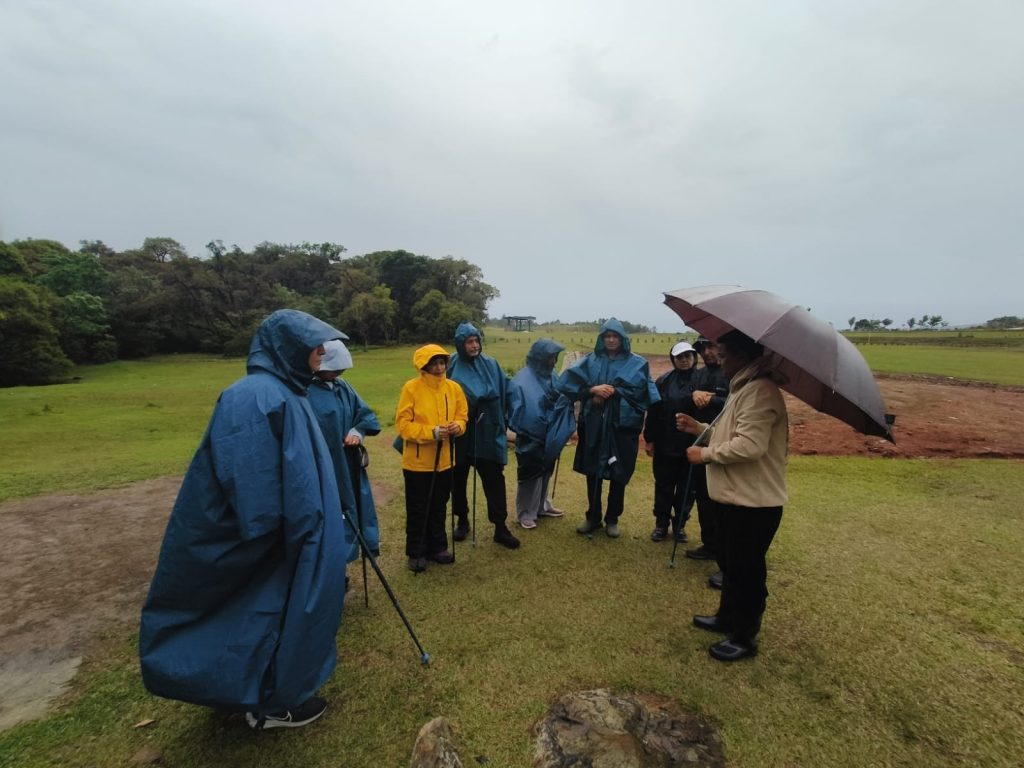
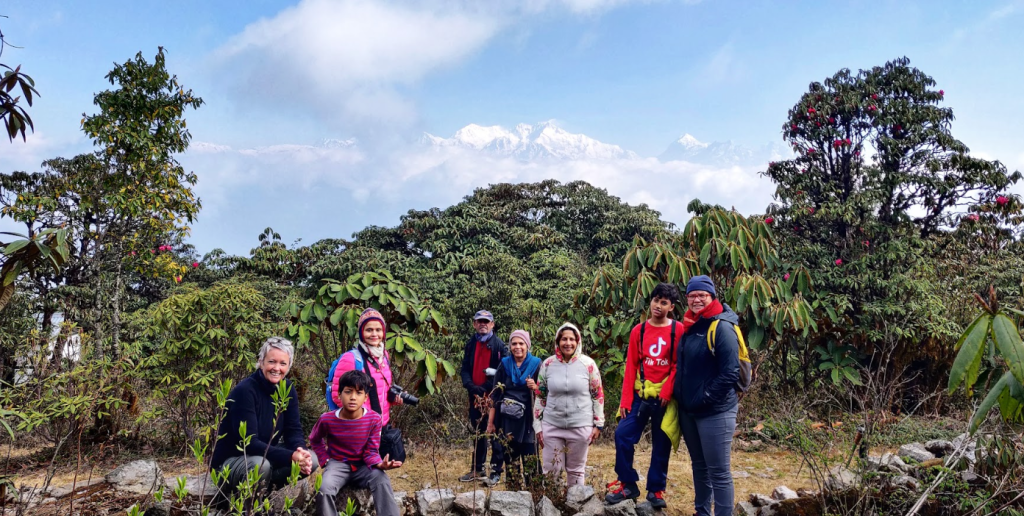
In Sikkim and Arunachal Pradesh, we arrange walks with expert botanists who transform the forest into a living classroom. These aren’t leisurely nature walks. They’re intense learning experiences where you begin to understand the intricate relationships between plants, animals, and ecosystems.
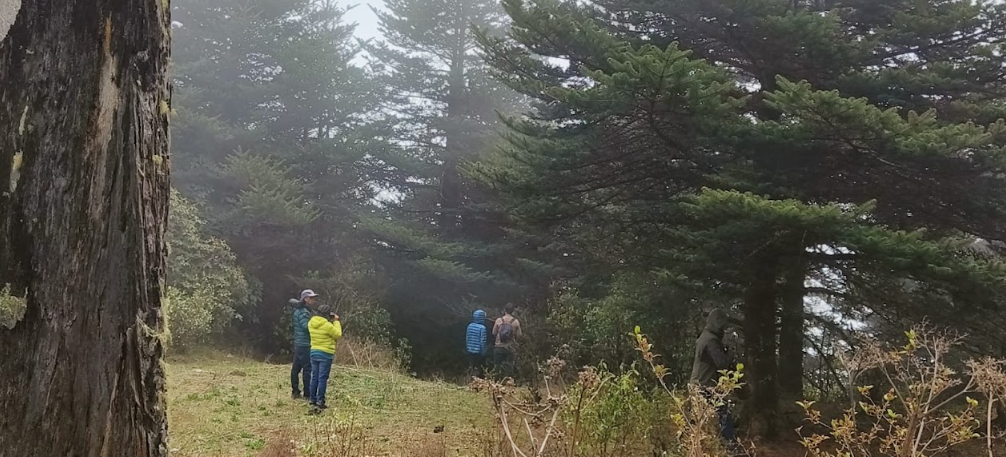
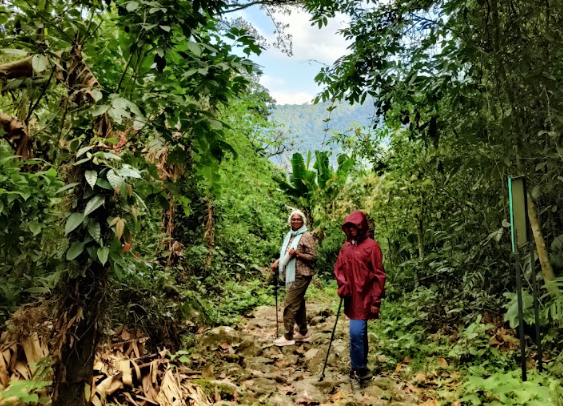
I’ve walked with these botanists many times, and I’m always amazed at how they bring the landscape to life. They point out medicinal plants, explain the role of different species in the ecosystem, and help you appreciate the biodiversity that makes the Northeast a global hotspot for conservation. By the end of the walk, you see the forest completely differently.
Community, Sustainability, and Coexistence.
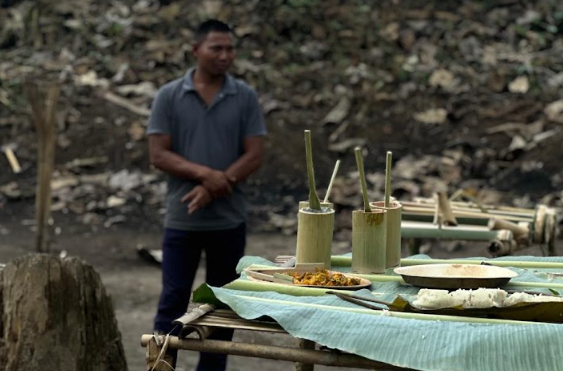
One of the things I’m most proud of is our work with communities that are pioneering sustainable living practices. In villages across Assam, we’ve connected with communities that have implemented innovative waste management systems. The headmen have established protocols where one person from each family participates in waste management activities once a month. It’s a small thing, but it demonstrates how communities can maintain sustainable human habitation within their ecosystems.
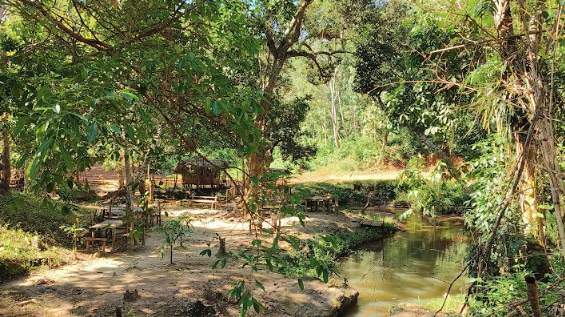
We also work with villages where people have deliberately chosen to coexist with hoolock gibbons, maintaining forest corridors and protecting the primates’ habitat while preserving their own livelihoods. This is conservation that works with people, not against them.
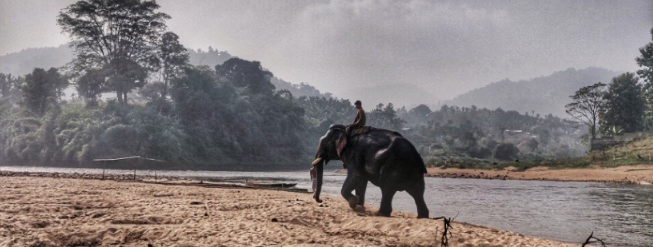
And near Sadiya in Assam, we arrange experiences where guests can learn about elephant training and the culture of the mahouts—the skilled trainers who work with these magnificent animals. You observe training sessions, understand the relationship between mahout and elephant, and gain insight into traditions that have governed human-elephant interaction for centuries.
Tea: A Lifetime of Learning
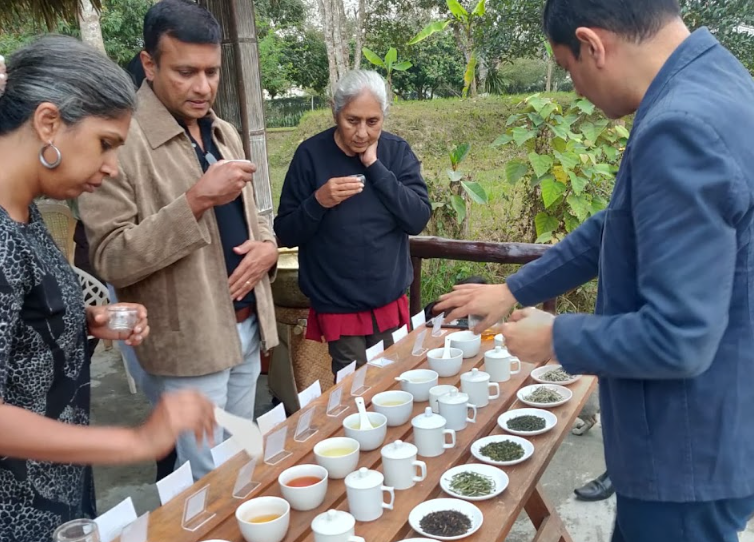
Tea is woven through everything we do. We offer comprehensive tea education that spans colonial-era production methods, the distinctive practices of tribal tea growers, and contemporary innovations in blending and preparation.
Guests participate in tea tastings guided by experts, learning to understand the nuances of flavor and aroma that distinguish exceptional teas. We visit working tea estates, interact with tea sommeliers, and participate in the tea-making process itself. It’s an education that can take a lifetime to fully appreciate.
Meetings with Change Makers
What I find most inspiring is connecting guests with the visionaries and social entrepreneurs throughout the Northeast who are transforming rural economies and preserving traditional arts.
Mr. Hally War in Meghalaya is a custodian of the living root bridge tradition. These bridges, engineered from the roots of rubber trees over centuries, represent an extraordinary example of indigenous engineering and environmental harmony. Spending time with him provides insight into how traditional knowledge can be preserved and transmitted to future generations.
Near Shergaon, Mr. Reinchin Norbu has established a small museum documenting traditional Monpa tribal practices that have largely disappeared from daily life. His work is a testament to how individual dedication can preserve cultural heritage.
We also connect guests with other individuals recognized with India’s highest civilian honors for their contributions to preserving textiles, supporting rural communities, and advancing social causes. These encounters provide inspiration and practical insights into how one person’s work can create meaningful change.
The Philosophy Behind It All
What ties all these experiences together is a simple philosophy: immersive travel is not about consumption. It’s about connection. It’s about moving from observer to participant, from tourist to learner.
These experiences demand something of you. They ask you to be open, curious, and willing to step outside your comfort zone. They ask you to listen more than you speak, to observe more than you photograph. But in return, they offer something increasingly rare in our globalized world: authentic connection, profound learning, and the opportunity to contribute meaningfully to the communities and ecosystems you encounter.
When I design an experience, I ask myself: Would I want my own family to have this experience? Would it change how they see the world? Would it create a genuine connection with the people and place?
If the answer is yes to all three, then it’s an experience worth creating.
Come Experience It Yourself
Northeast India is not a place to be rushed through. It’s a place to be savored, understood, and respected. It’s a place where you can learn from people who have lived in harmony with their environment for generations. It’s a place where food tells stories, where textiles carry history, and where conservation is not an abstract concept but a daily practice.
If you’re ready to move beyond the ordinary, to step into experiences that will genuinely transform how you see the world, I’d love to help you design your journey. At Curtain Call Adventures, we don’t just create itineraries—we create connections. We reduce the risk of travel in remote areas while maximizing the authenticity and depth of your experience.
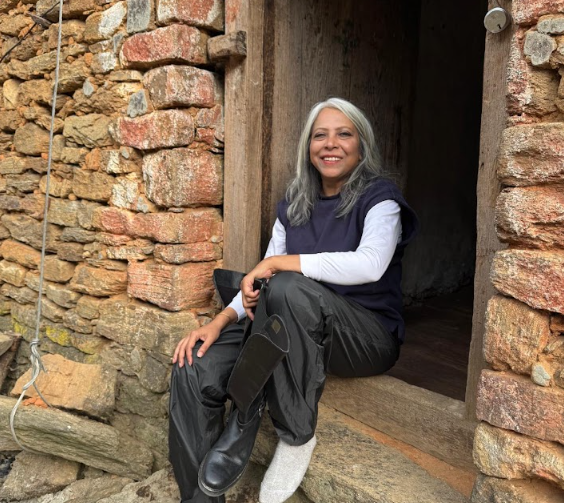
Because that’s what I learned growing up in Assam: the most meaningful journeys are the ones where you sit down with someone, share a meal, and listen to their story. Everything else flows from there.
Julie Kagti is the founder of Curtain Call Adventures, a Culture Curator and Risk Reducer Partner specializing in immersive, responsible travel experiences throughout Northeast India. Curtain Call Adventures is a Gold Winner in the Rural Experiences & Cultural Immersion category at the Outlook Responsible Tourism, Culture & Heritage Awards 2025.