Assam Rewilded: Tea, Tribes and Tourism Done Right
By a recent traveler as told to Julie Kagti
The Brahmaputra River, born from a Tibetan glacier, has shaped the destiny of Assam for millennia. Its annual rhythms dictate the agricultural cycles, the intricate patterns woven into local textiles, and the very architecture of the communities that line its banks. To understand Assam is to understand this mighty river—a life force that sustains both the incredible wildlife of the floodplains and the ancient traditions of the tribes who call this valley home. As I embarked on my journey through India’s Northeast, hosted by Curtain Call Adventures, I quickly realized that Assam’s story is not merely about what travelers see, but about the meaningful relationships they build with the land and its people.
Beyond the Safari: The True Spirit of Kaziranga
My journey began in Kaziranga National Park, a place globally renowned for its conservation success. Established in 1904, this 430-square-kilometer expanse of pristine floodplains and dense forests is home to approximately 2,500 one-horned Indian rhinos—the highest density of this critically endangered species in the world. While the iconic rhino is the main draw, the park also shelters Bengal tigers, golden langurs, sambals, and over 450 distinct bird species.
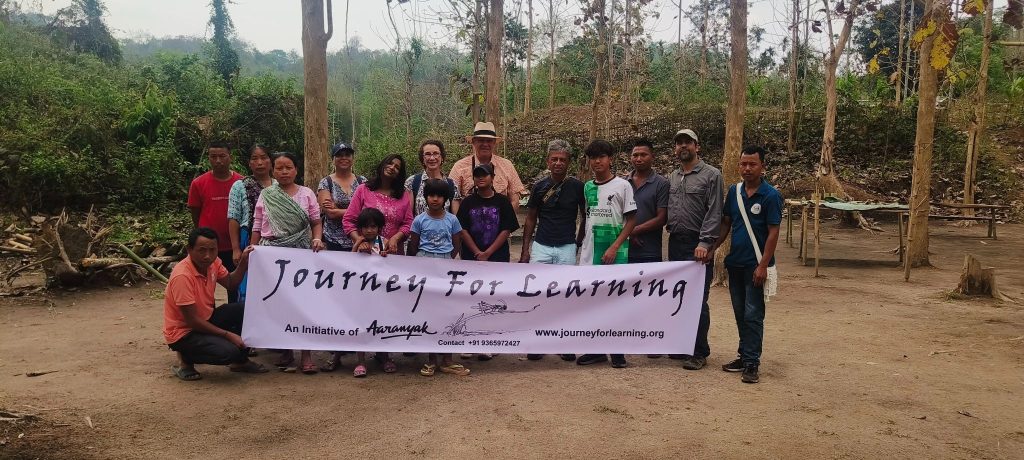
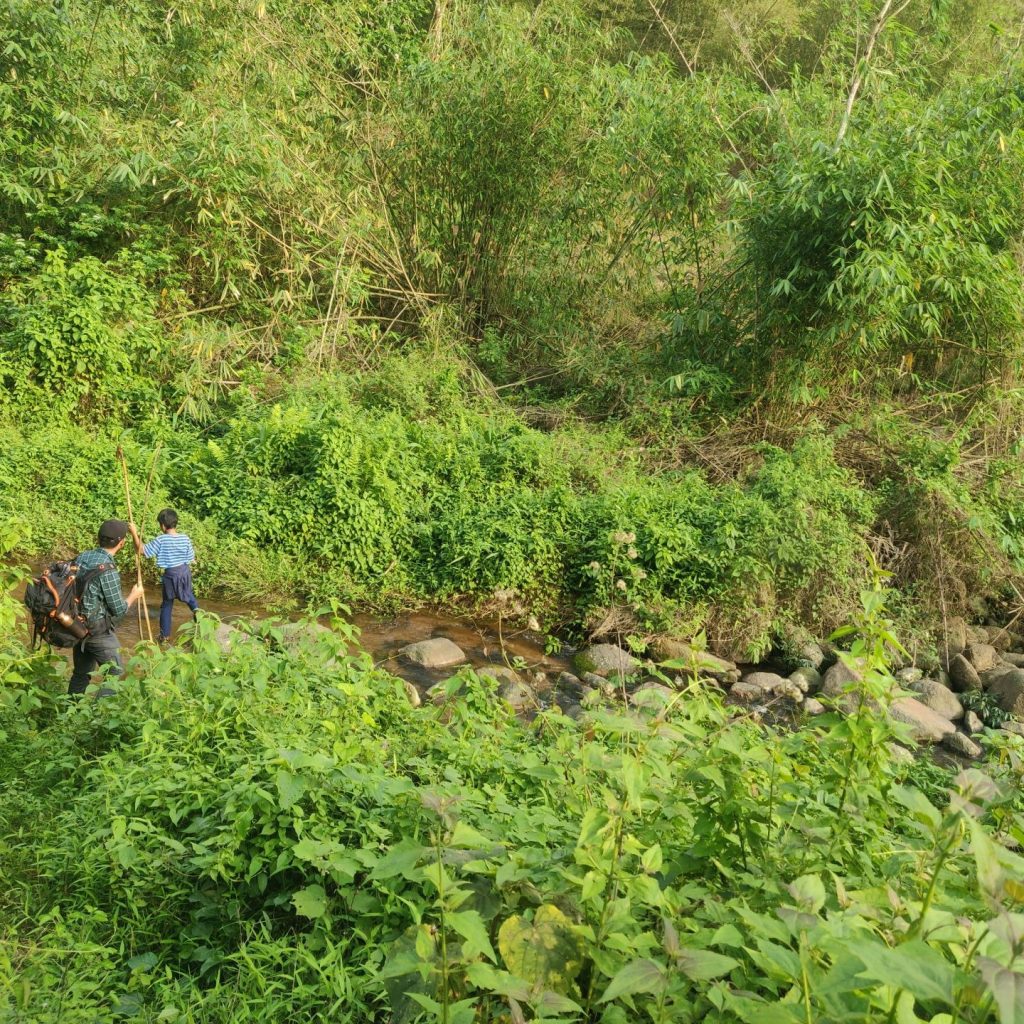
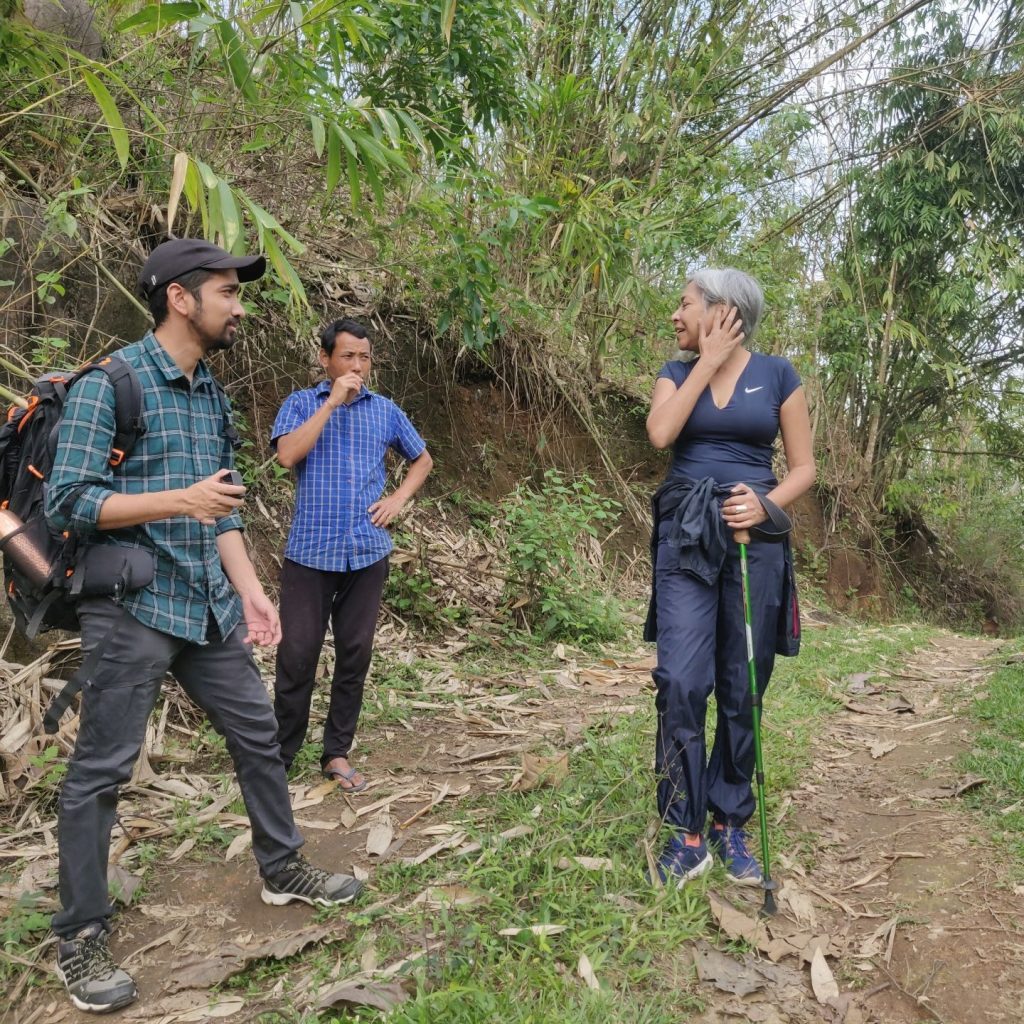
However, I discovered that the true modern narrative of Kaziranga extends far beyond the conventional jeep safari. It is a story of how responsible tourism practices are being integrated with community empowerment. I participated in Ingnam Kengam, which translates to “Walking in the Forest” in the Karbi language. This seven-kilometer eco-cultural trek through the Karbi hills adjacent to Kaziranga represents a paradigm shift in how visitors interact with the region. Curated by Aaranyak, a prominent frontline environmental organization of India and the local Karbi Along Community, the experience moved me from passive observation to active engagement.

The Karbi people, indigenous guardians of this forest wisdom, view the forest not merely as a resource, but as a sacred companion providing sustenance, medicine, and shelter. Our day began with a heartfelt prayer honoring the spirits of nature before entering the trails. As we walked among towering trees and bamboo groves, our guides shared their sophisticated ecological knowledge. We observed traditional Jhum (slash-and-burn) cultivation—a practice that, while appearing primitive to outsiders, is a form of sustainable living that maintains forest health through crop rotation. We shared a lunch in a village home, featuring locally foraged ingredients, realizing that our presence was directly funding conservation efforts and supporting these indigenous communities. This was tourism as partnership, not spectacle.

The Vanishing Magic of Majuli

From the forests of Kaziranga, my journey took me to Majuli, once the world’s largest river island. Today, Majuli faces an existential crisis as the Brahmaputra and Subansiri rivers claim its land each year. The island’s predicted disappearance within twenty years makes travel here not merely a vacation, but a poignant documentation of living heritage before it vanishes.

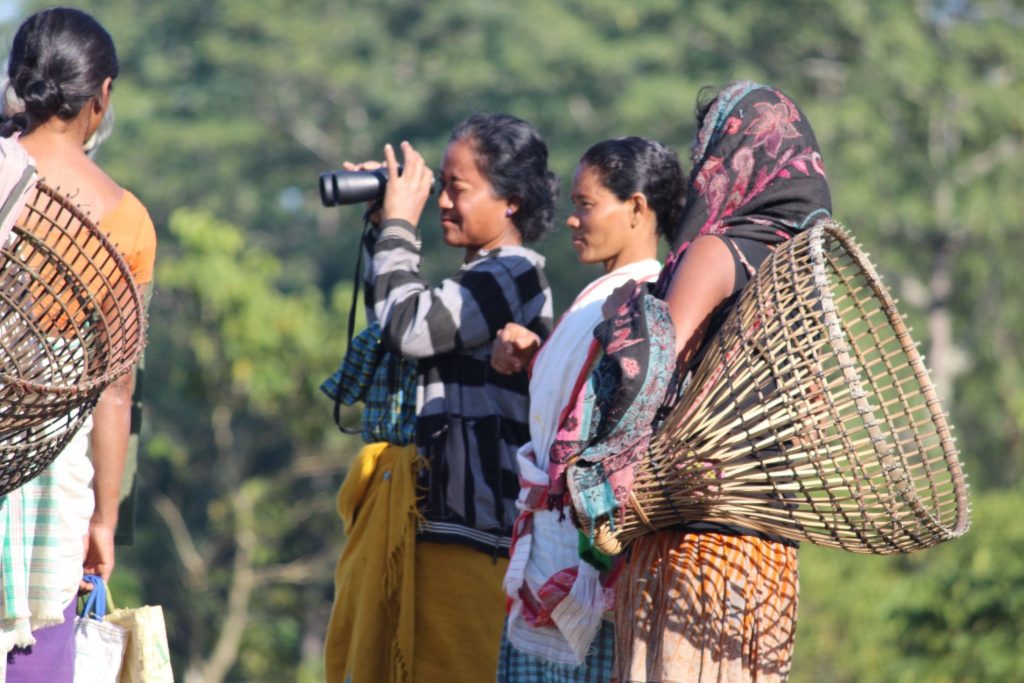
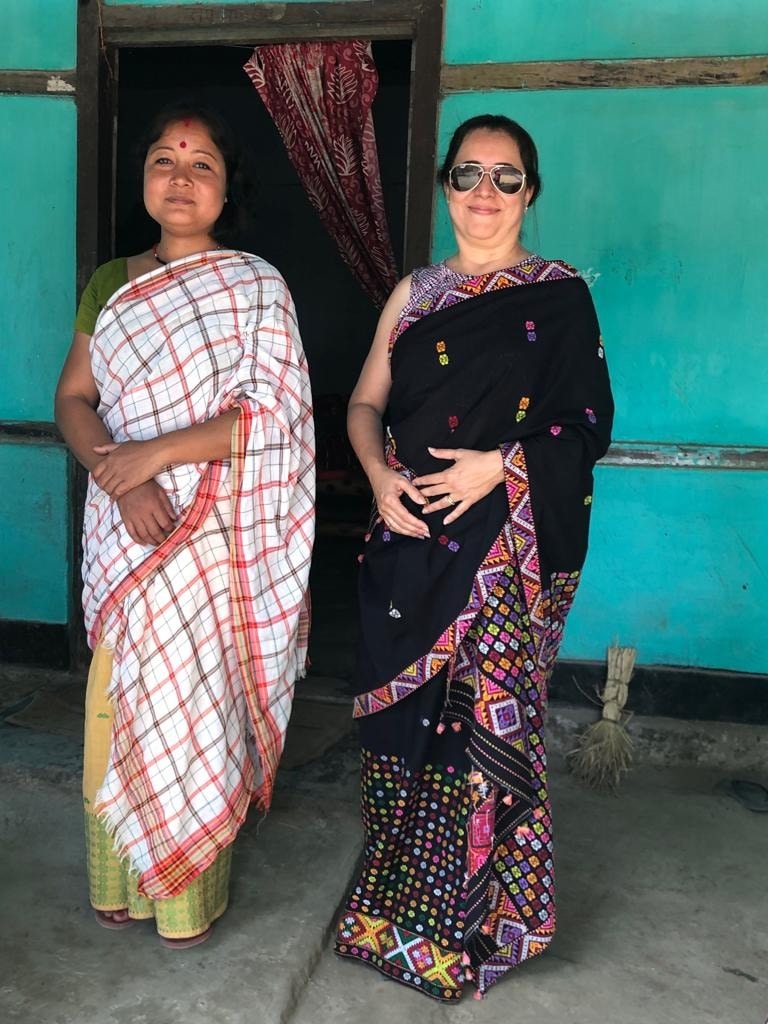
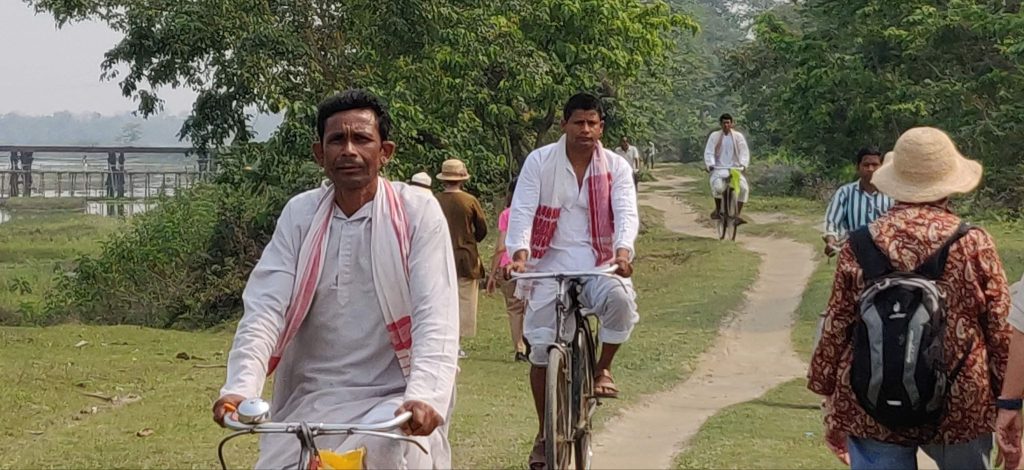
The island is home to the Mishing tribe, descendants of hill tribes from Arunachal Pradesh and China. Their lifestyle centers on agriculture, fishing, and small livestock rearing, conducted with remarkable environmental sensitivity. The villages I visited were strikingly clean, reflecting deep cultural values around environmental stewardship. Mishing women are renowned for their exceptional weaving skills, setting up their looms beneath elevated bamboo stilt homes. Welcomed with genuine hospitality, I was offered rice and ash beer, and invited to purchase textiles directly from the weavers. These interactions revealed a profound pride in cultural identity and sustainable livelihoods, demonstrating that indigenous communities can thrive economically while maintaining their environmental integrity.
Majuli’s spiritual landscape is defined by the Satra—unique monasteries founded by Sankardeva, the revered father of Assamese culture. Unlike conventional monasteries focused solely on asceticism, Satras function as vibrant centers of traditional performing arts. I was captivated by the Sattriya dance, a classical Indian form featuring intricate footwork and expressive storytelling performed by monks. I also met artisans innovating on traditional bamboo frame techniques to create elaborate masks used in folk theatre. These institutions represent a living continuity of Assamese cultural identity, where spirituality and artistic expression are completely inseparable.
Living in “Bagan Time”
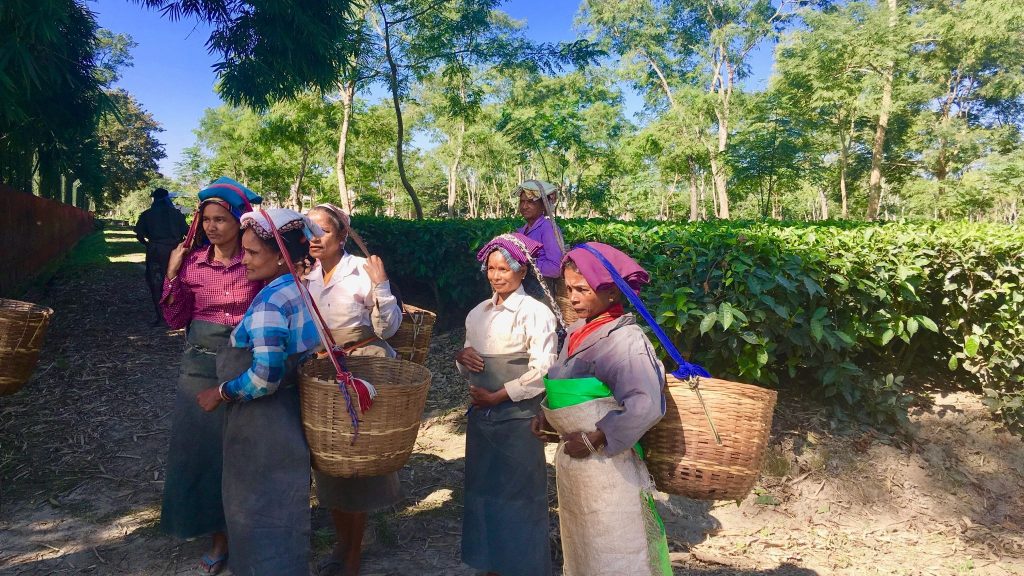
No journey to Assam is complete without experiencing its tea culture. Over 800 tea estates dot the landscape, and I had the privilege of staying in a heritage “Burra Bungalow.” These colonial-era structures, with their high ceilings, polished teakwood floors, and sweeping verandas, offer a glimpse into a bygone era of unhurried luxury.
Life here operates on “Bagan Time,” a local time zone established over 150 years ago, running one hour ahead of Indian Standard Time to maximize daylight hours. Waking up to “bed tea” and settling into a wicker planter’s chair, I discovered the true luxury of these estates: a profound stillness that allowed me to recalibrate my soul to the rhythmic rituals of the tea garden.

Yet, Curtain Call Adventures ensured I saw the full picture. I visited small, independent tea gardens run by local tribal communities. In modest courtyards, I watched women hand-roll freshly plucked leaves over small open wood fires. Drinking smoky green tea from bamboo cups, paired with simple homemade rice cakes, I experienced tea in its most authentic form. Master tea sommeliers taught me to slurp the tea loudly, discovering notes of honey, dark chocolate, and the rich loamy earth of the valley.
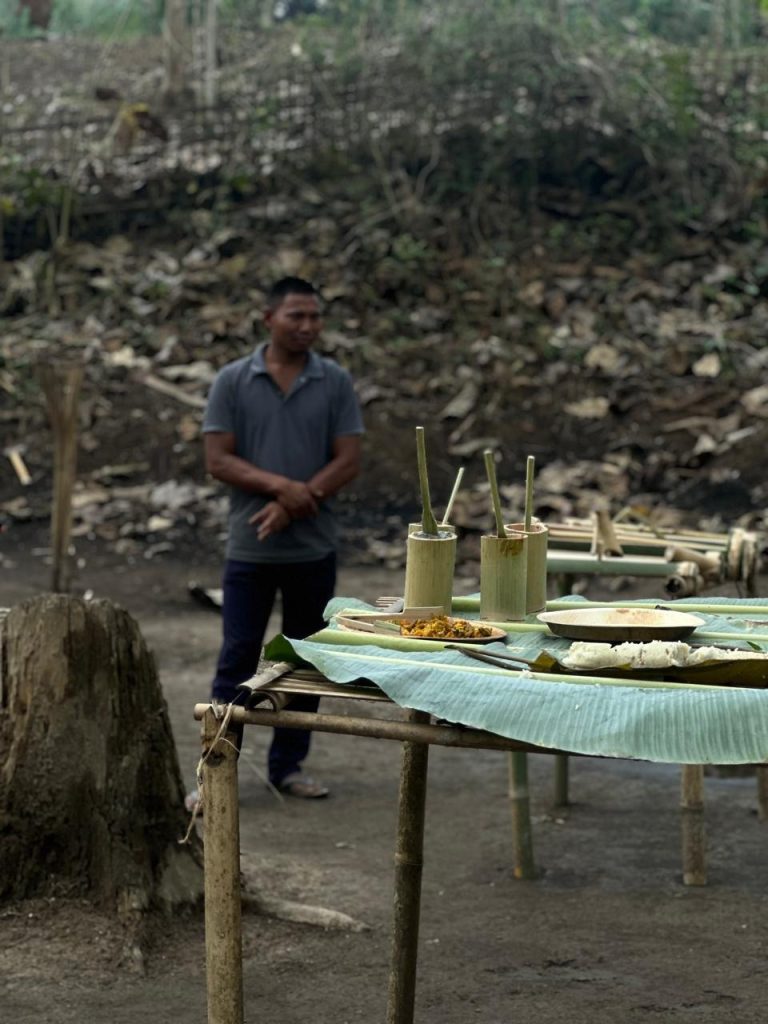
This contrast between grand colonial history and humble tribal enterprise was profound. It bridged the historical legacy of the region with the empowered, sustainable future of its indigenous people. My journey through Assam proved that conscious travel can be a powerful force for good—preserving ancient cultures, protecting endangered wildlife, and offering the traveler an unforgettable, transformative experience.