As a curator for Curtain Call Adventures, I’ve had the privilege of exploring some of the world’s most captivating destinations. Yet, Meghalaya, the “abode of clouds,” holds a special place in my heart. My connection to this land runs deep, back to my school days in Shillong.
This northeastern gem of India is not just a place to see, but a place to feel, to connect with, and to be transformed by. From its pristine natural landscapes to its unique cultural heritage, Meghalaya offers a travel experience that is both profound and deeply personal.
The Call of the Wild:
Trekking and Scenic Beauty
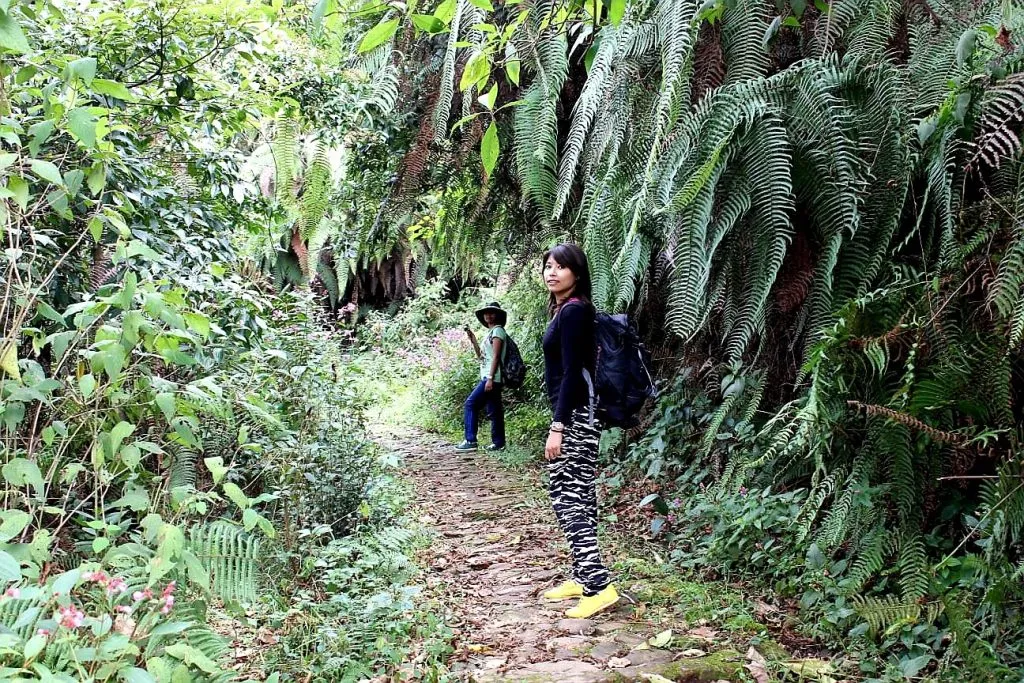
For the adventurous soul, Meghalaya is a paradise of rolling hills, verdant valleys, and dramatic landscapes. The state offers a plethora of trekking opportunities, from gentle rustic walks to challenging mountain trails. One of my personal favorites is the trek to the crest of Nohkalikai, where you are rewarded with a stunning panoramic view of the fourth highest plunge waterfall in India.
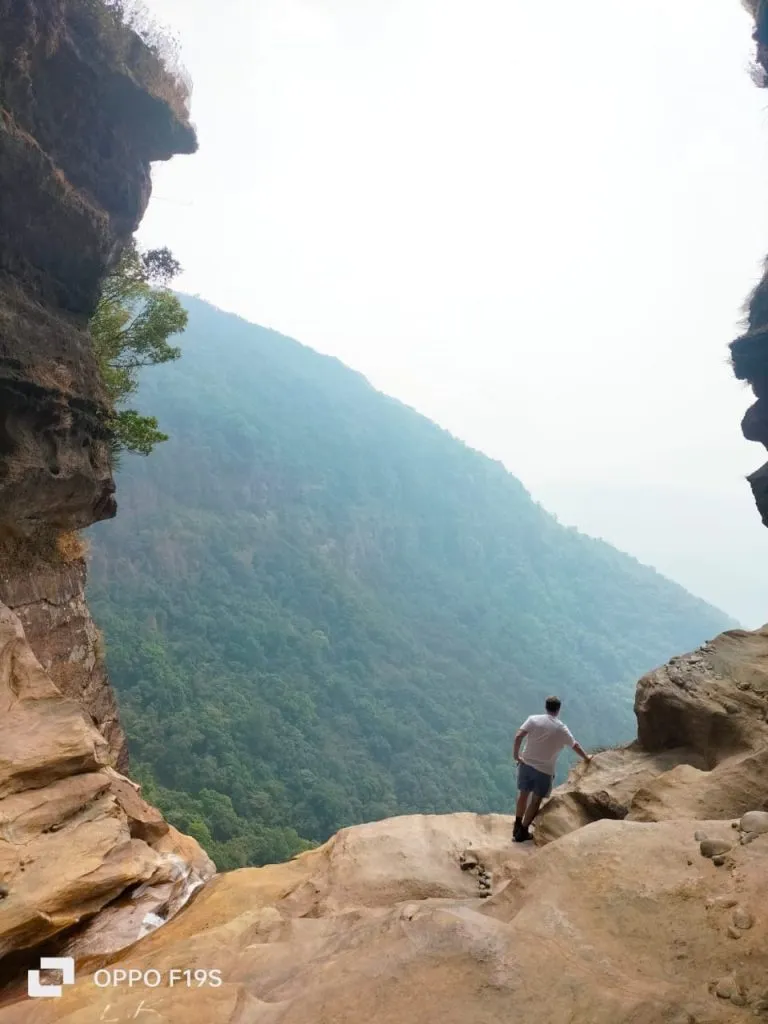
For a more immersive experience, a walk through the rustic villages in the Garo Hills offers a glimpse into the traditional way of life of the local communities.
And some simple pleasures never fade; even today, I join my young guests in rolling down the gentle green slopes, a joyful activity that takes me right back to my childhood.
Crystal Clear Waters: Lakes, Rivers, and Waterfalls
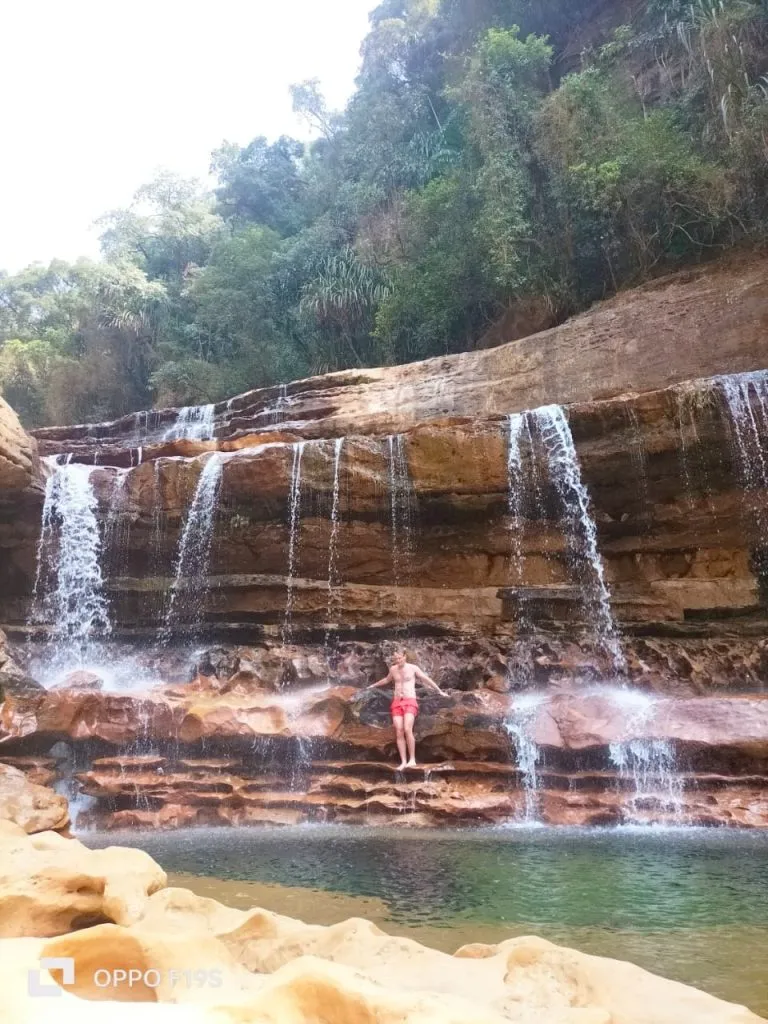
Meghalaya is blessed with an abundance of crystal-clear water bodies that come alive during the monsoon season. These rain-fed lakes, rivers, and waterfalls are a sight to behold, their turquoise waters glistening in the sunlight. I still fondly remember my school days in Shillong, looking forward to our class picnics that always took us to a scenic spot by a river or lake where we would swim for hours.
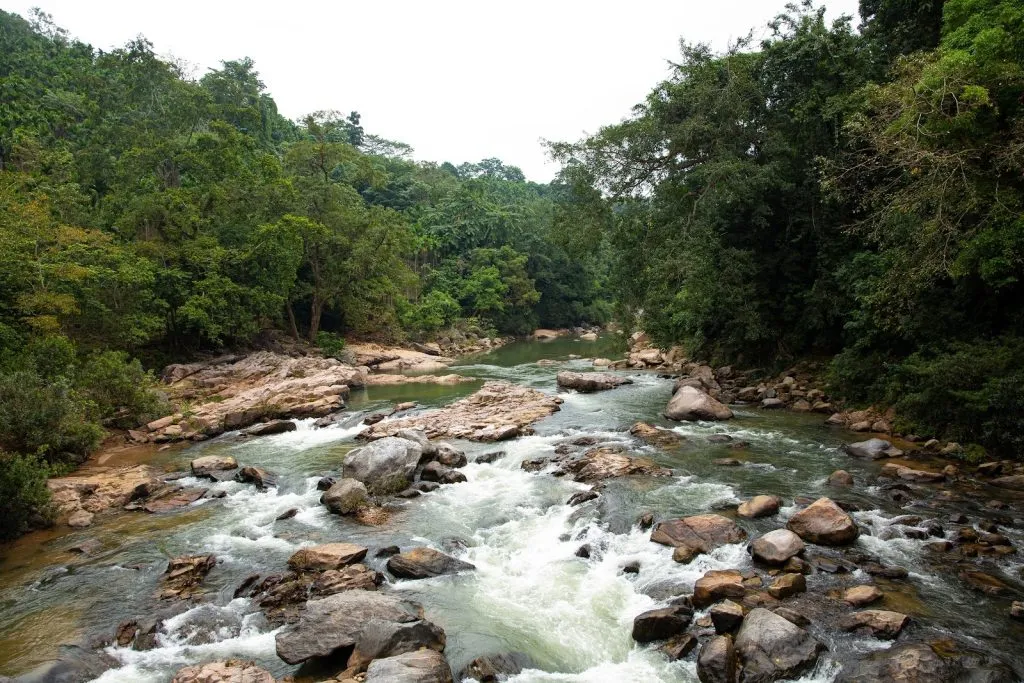
For those who love to swim in cold waters, the water bodies near Mawkma are a must-visit during the winter months.
A picnic by the beautiful Simsang River near Tura in West Garo hills is another delightful experience, and it offers the added advantage of being able to visit the HURO Programme at the Sonja Wildlife Rescue Center. Here, you can see the hoolock gibbons that have been rescued and are being rehabilitated for release back into the wild.
Enjoy rustic walks to quaint villages to meet the locals, see they live in a land that experiences a lot of rainfall.
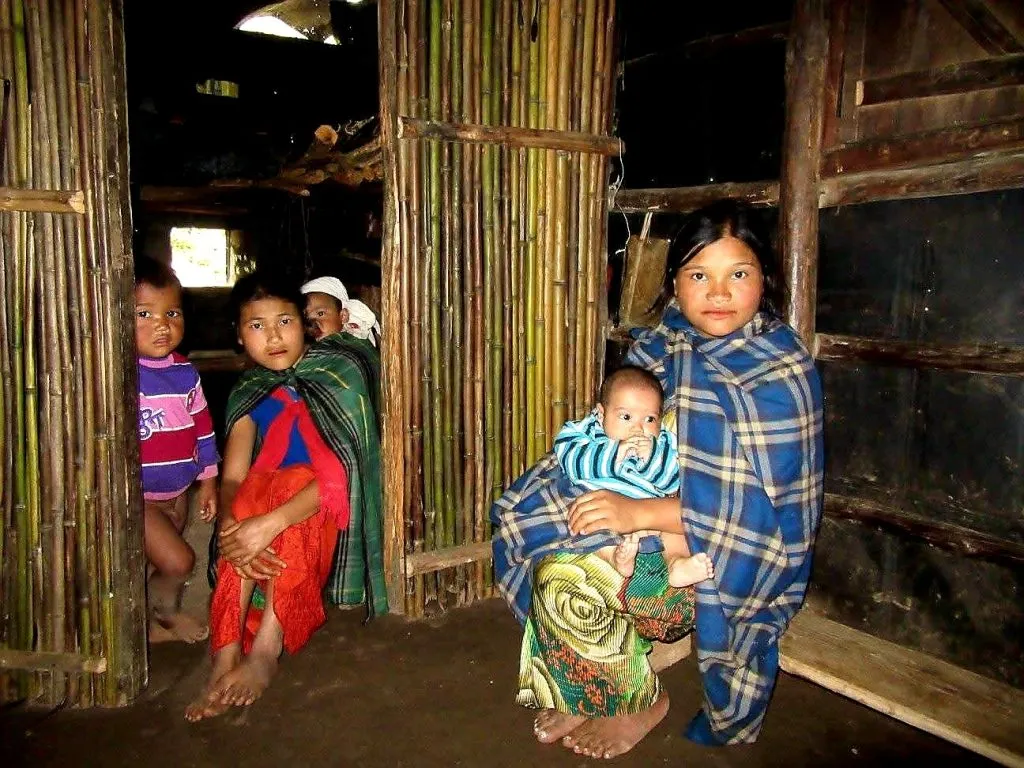
While many flock to the popular spots of Dawki and Shnongpdeng, I prefer the less crowded experience of boating in the Wahrew River.
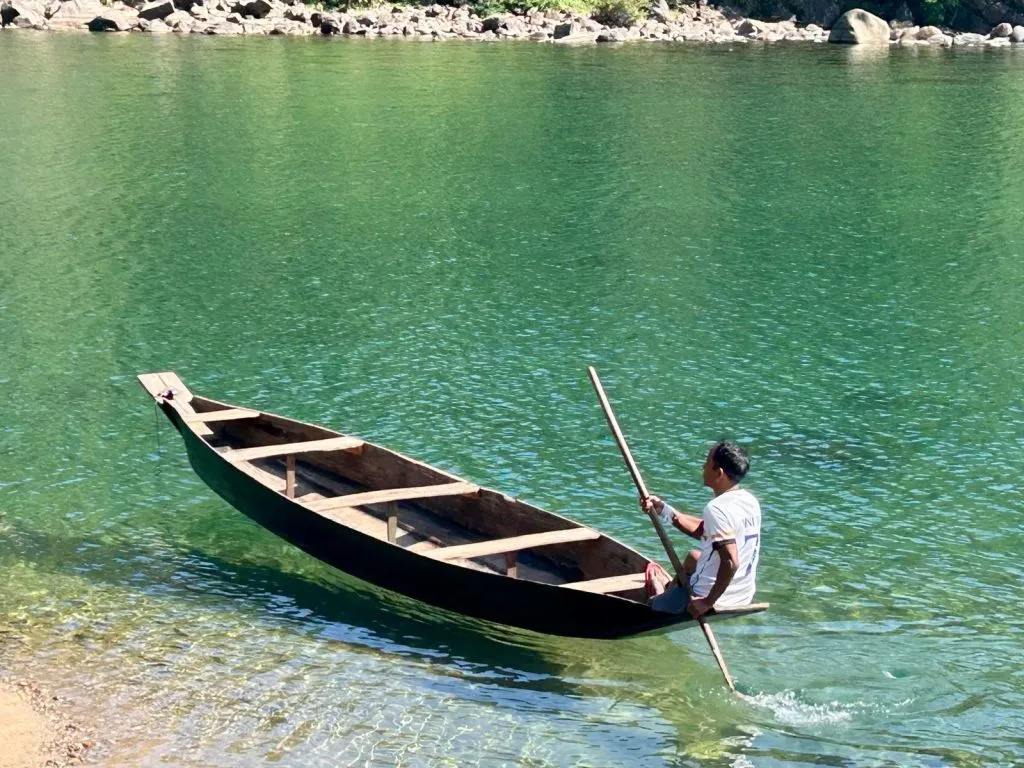
Accessible from Cherrapunjee, it offers a serene and intimate encounter with Meghalaya’s pristine waters, away from the long drives and tourist crowds.
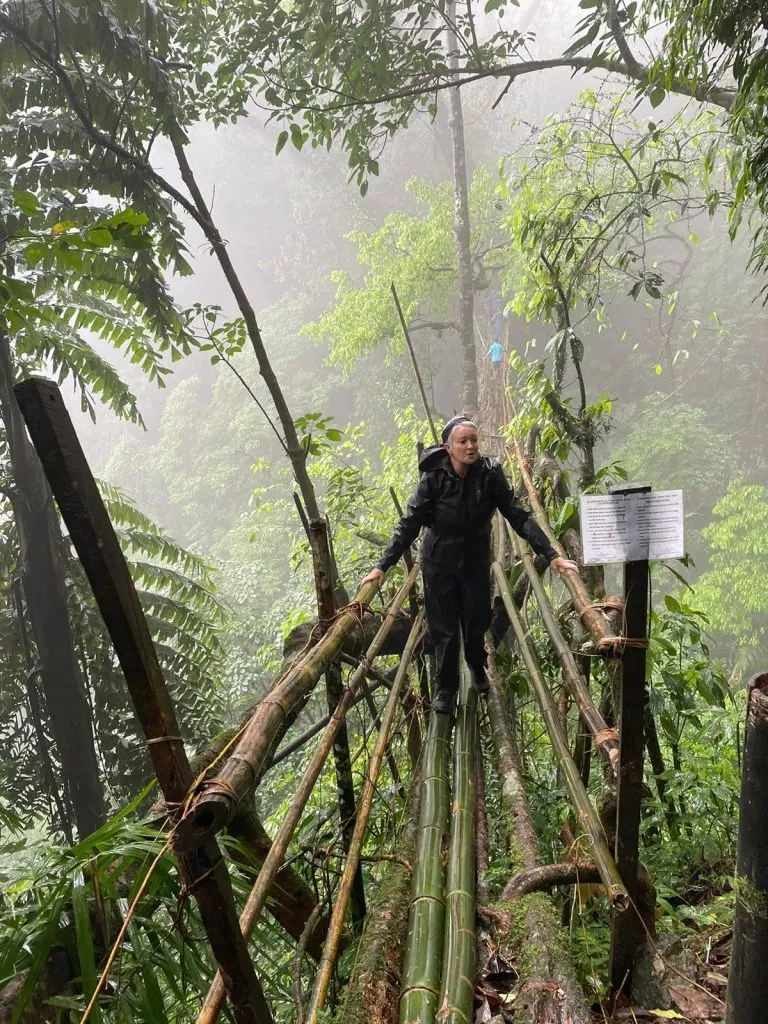
Living Architecture: The Marvel of the Root Bridges
The living root bridges of the Khasi Hills are a testament to human ingenuity and a harmonious relationship with nature. These incredible structures, woven from the roots of the Ficus elastica tree, are a sight to behold.
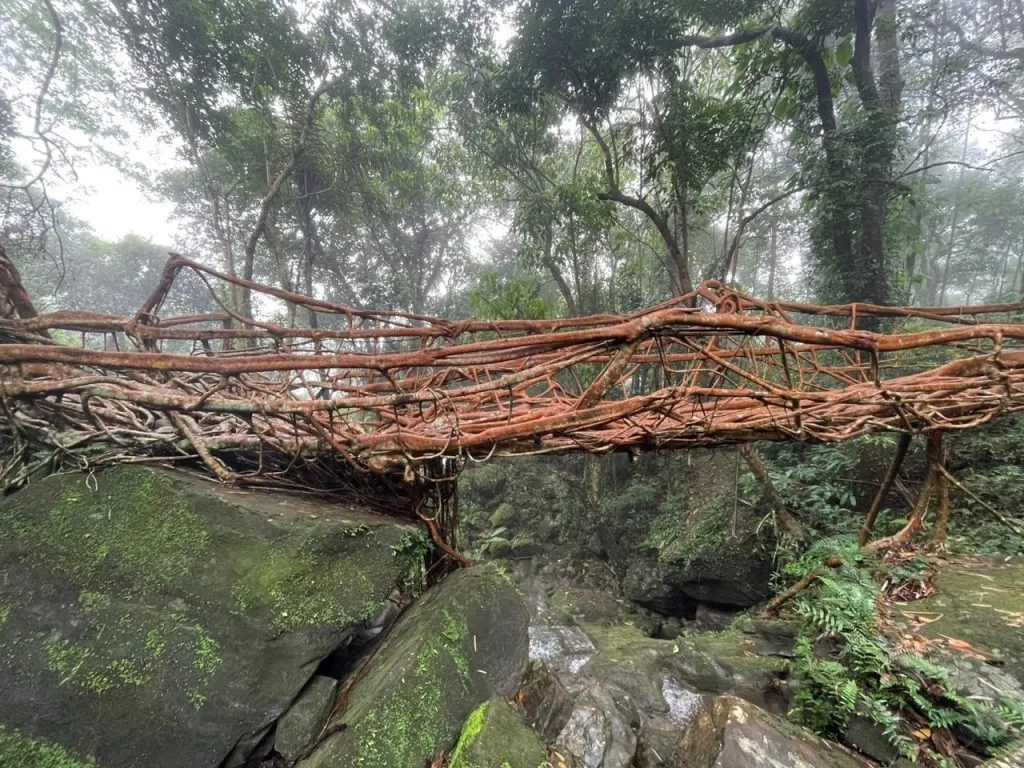
My favorite is the Umkar root bridge, where you can meet Hally War, a local man who has been training the roots of the bridge since he was a child. His story adds a tender, loving, and gardening aspect to these bridges, changing the way I perceive them.
For the more adventurous, exploring the root bridges at Mawkynrot is an utter delight, especially in the pre-monsoon time when waterfalls flow beneath them. This is not for the faint of heart, but the experience is truly rewarding.
A Feast for the Senses: Flora, Fauna, and Food:
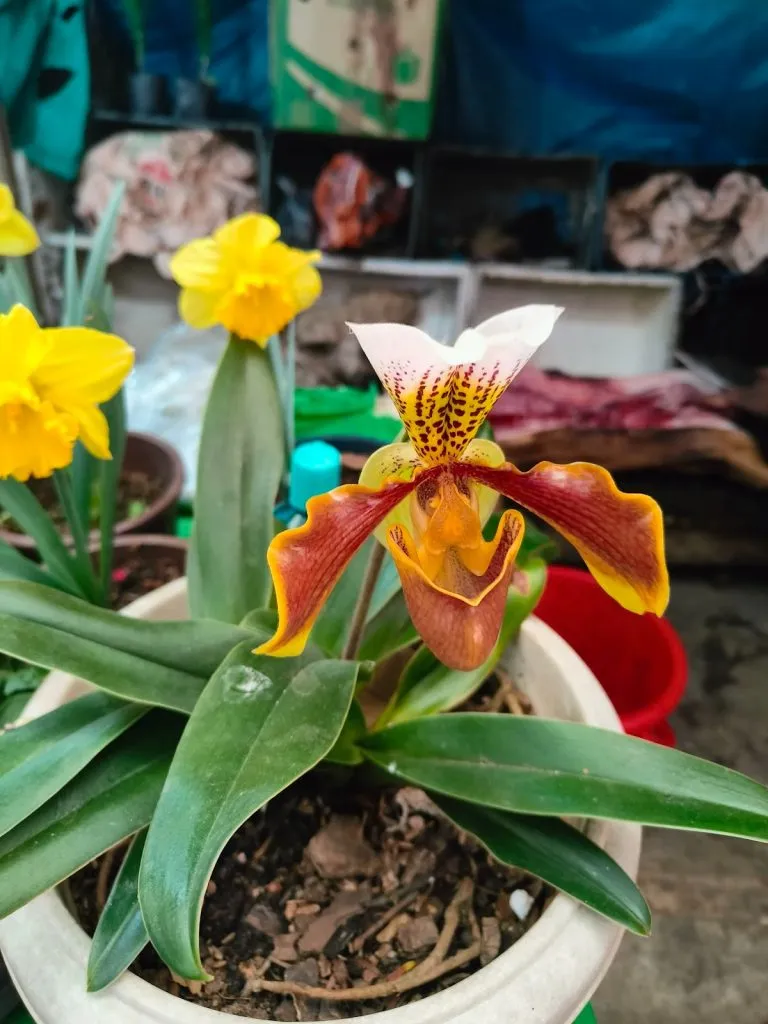
Meghalaya’s conducive weather supports a rich and diverse vegetation. In April and May, the landscape is dotted with wild ground orchids, a sight that takes me back to my childhood walks with my local guardians, searching for the very first orchid to bloom.
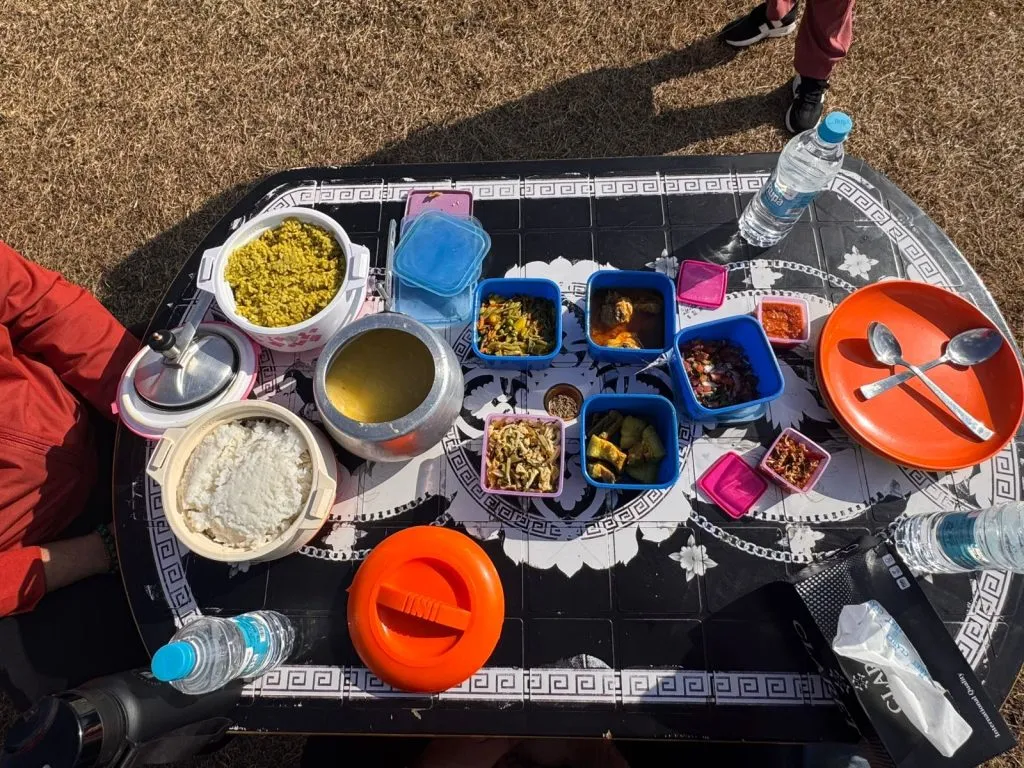
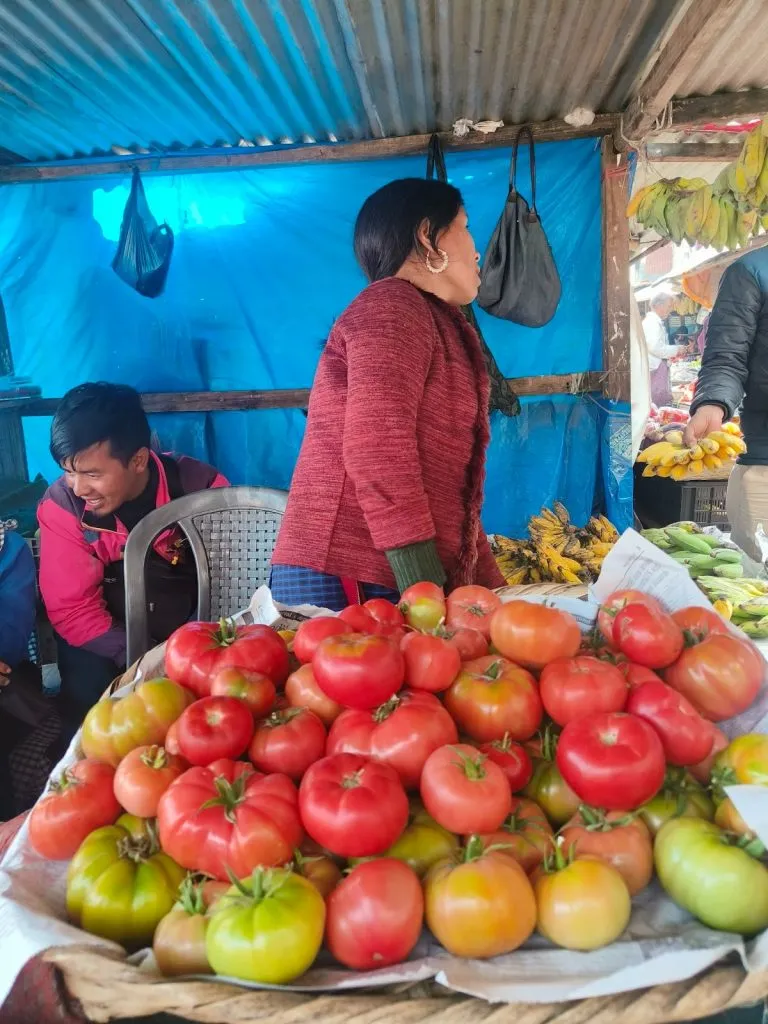
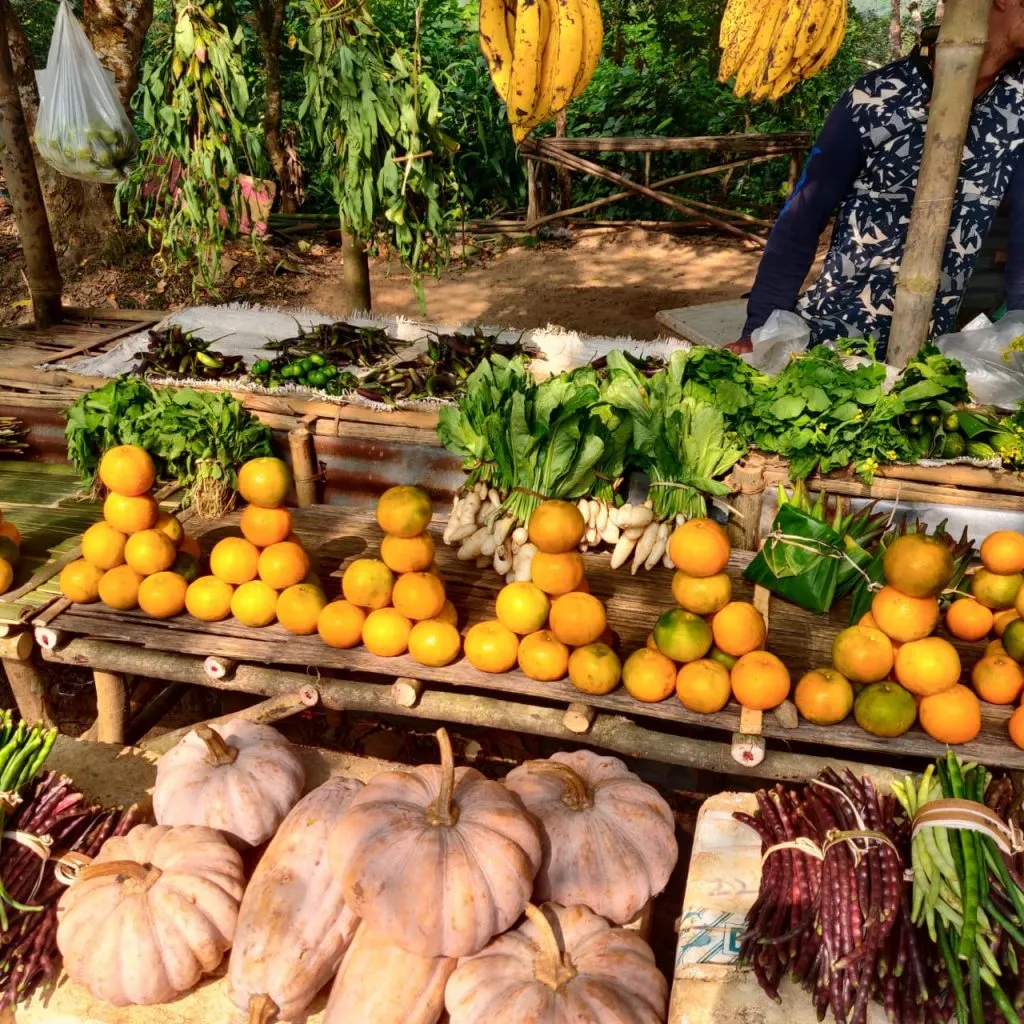
The Mawphlang Sacred Grove is a treasure trove of different types of mushrooms and is surrounded by serene pine forests. The state is also known for its organic farm produce. The pineapples and bananas are sweet and juicy, the beetroot is soft and tender, and even the tender leaves are used for stir-fries. The local markets are a riot of colors with fresh mushrooms, new potatoes, carrots, and other winter vegetables.
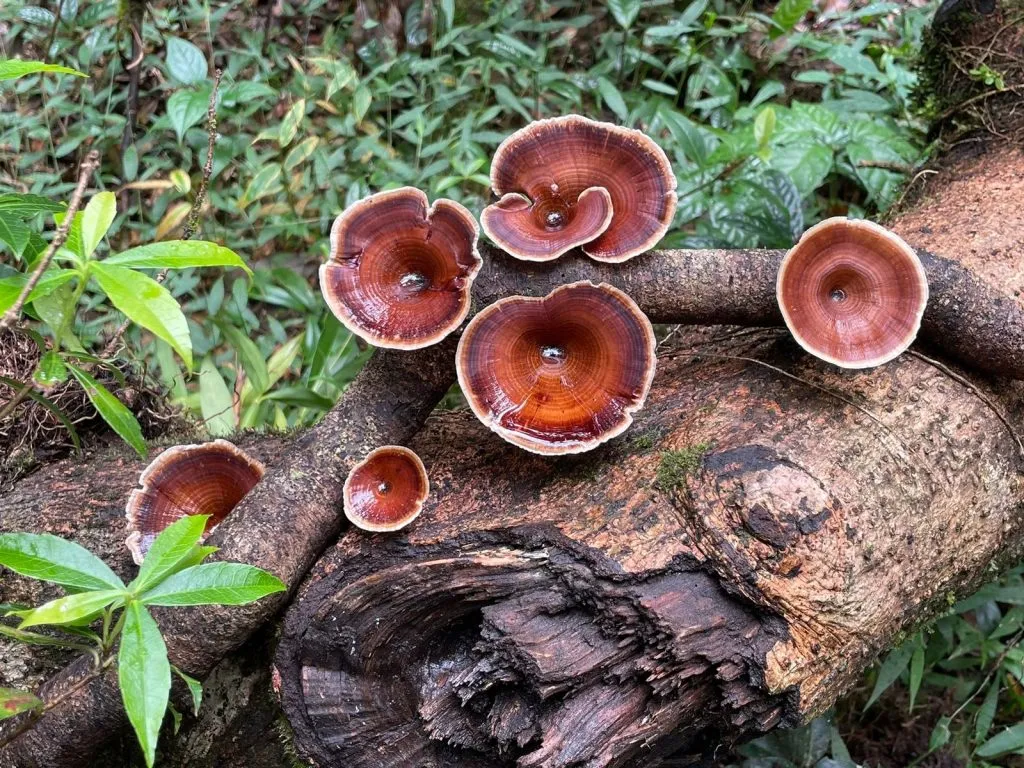
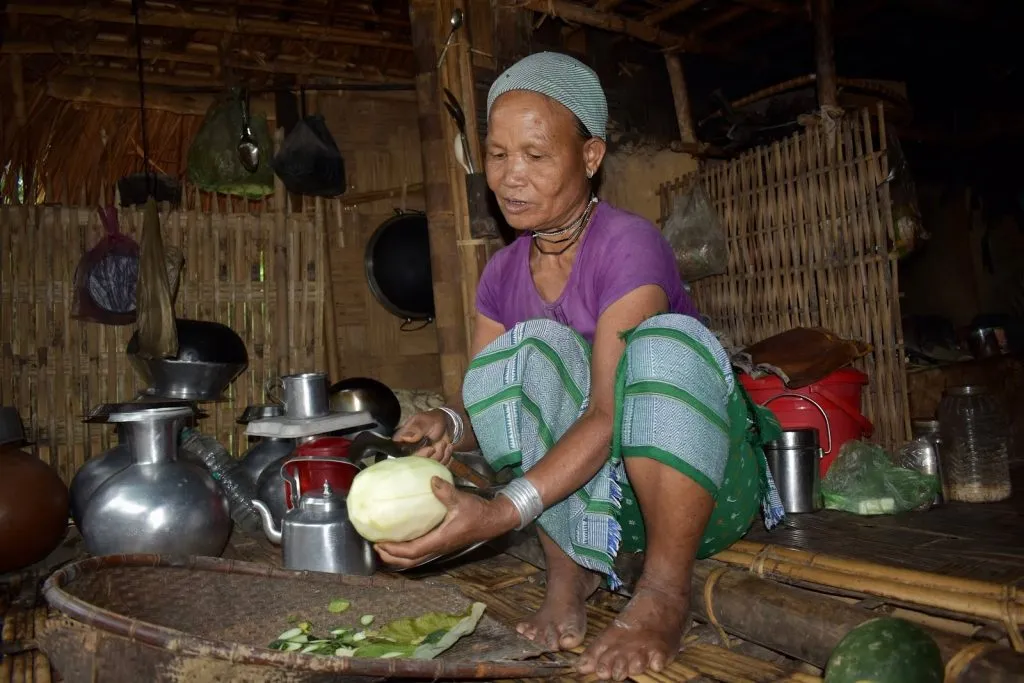
A trip to Meghalaya is incomplete without indulging in the local cuisine. The tiny restaurants dotted all over the state, run by women who are respectfully addressed as “kongs” (elder sister), serve delicious, home-cooked meals. My favorite lunch spots are the al fresco dining experience at Kong Wansilian Wankhar near the Mawphlang Sacred Grove and Cafe Mei Ramew, which offers a delicious spread of traditional cuisine.
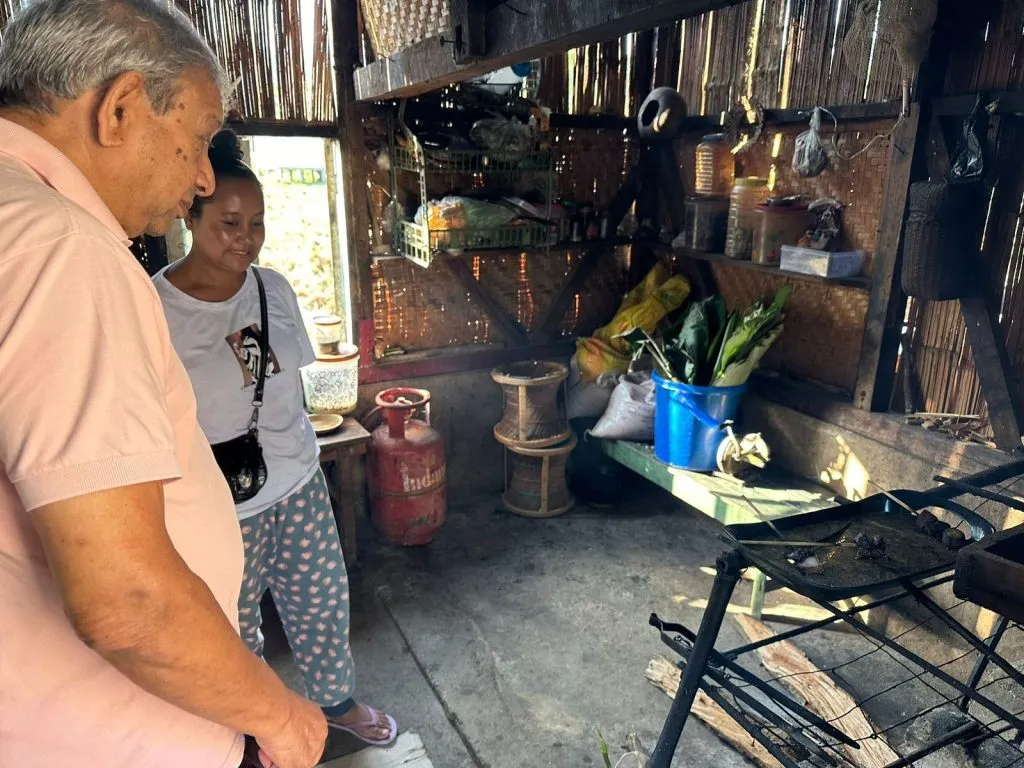
For a taste of Garo cuisine, I recommend trying a home-cooked meal in one of the rural villages, or even participating in a cooking session with the locals to truly understand the authenticity of their tribal lifestyle.
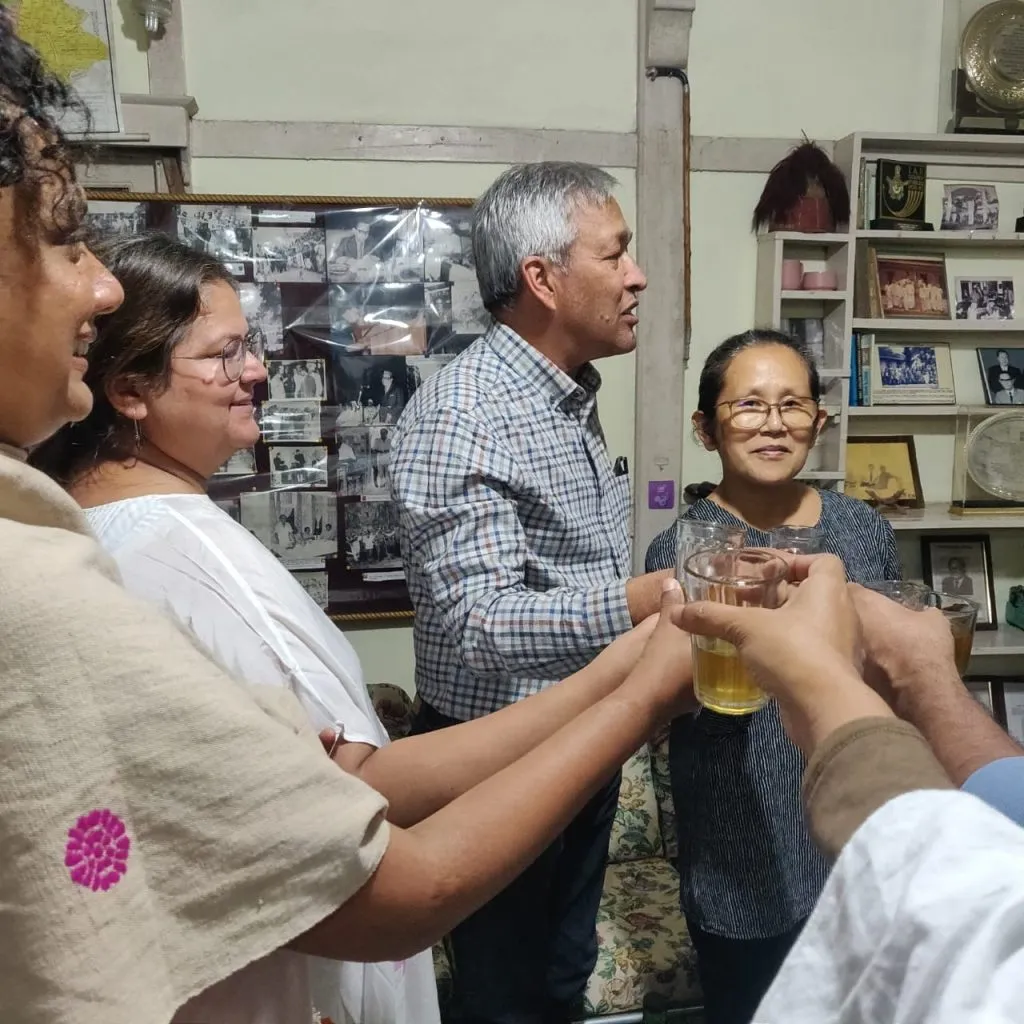
And of course, one must enjoy a cup of locally grown coffee in one of the charming cafes in Shillong.
The Rhythm of the Hills: Music, Culture, and Art
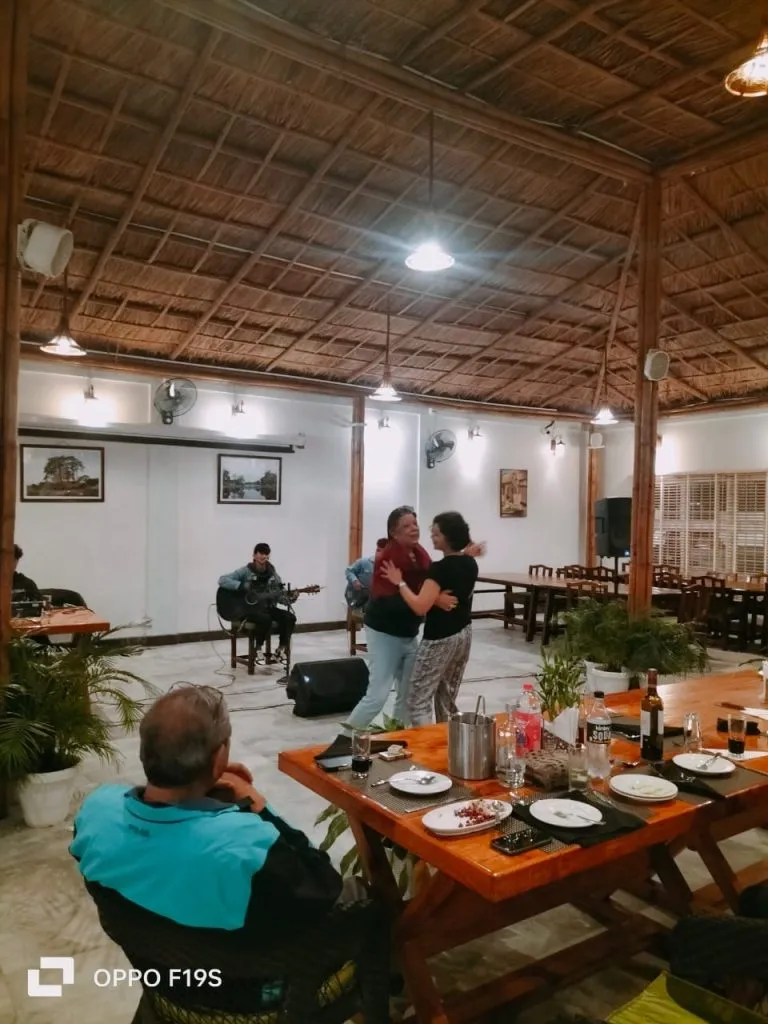
The evenings in Meghalaya are filled with music and art. It’s a great opportunity to support local artisans and groove to their music, which is a blend of Western and traditional influences. I have been captivated by the young talents in Cherrapunjee and the rare, traditional bamboo idiophone (a self-sounding percussion instrument) from the Garo people, known as The Chigring.
For a deeper dive into the state’s culture, the Ever Living Museum is a must-visit to learn about the state’s wonderful natural stones and indigenous buildings. My personal favorite is a small, intimate museum located in a living room in Tura, Garo Hills, which offers a unique and personal glimpse into the local culture.
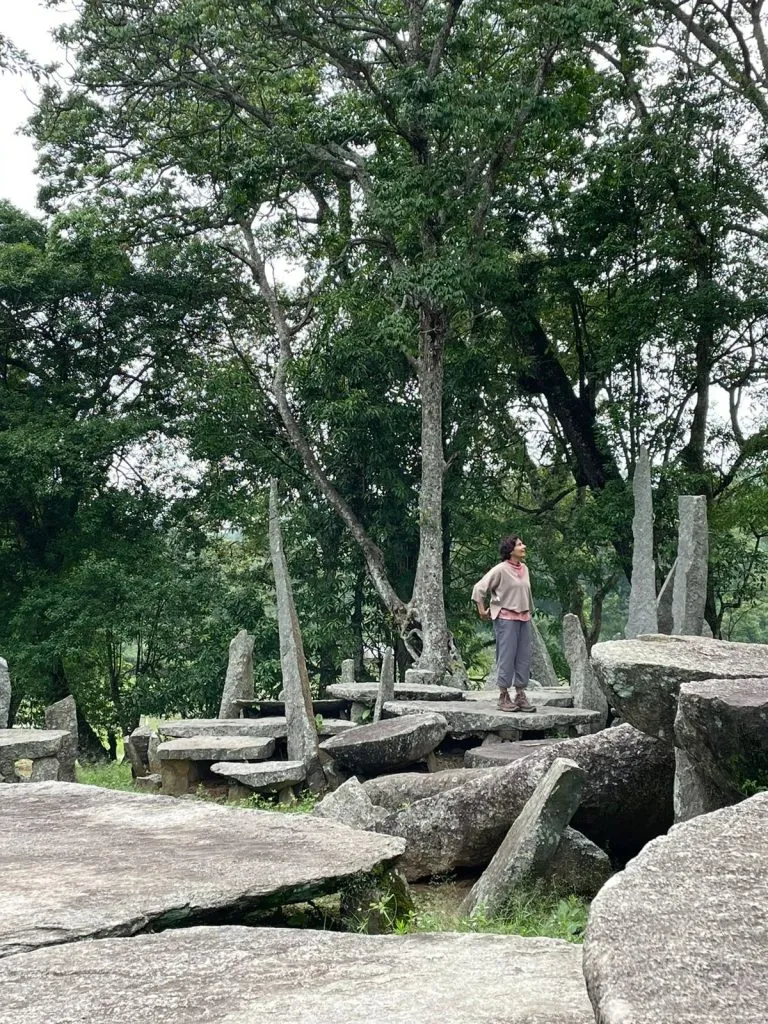
Most visitors don’t visit the Monoliths in the Jaintia hills which offers an insight into the region’s history.
Crafts of the State: Interactions with Artisans
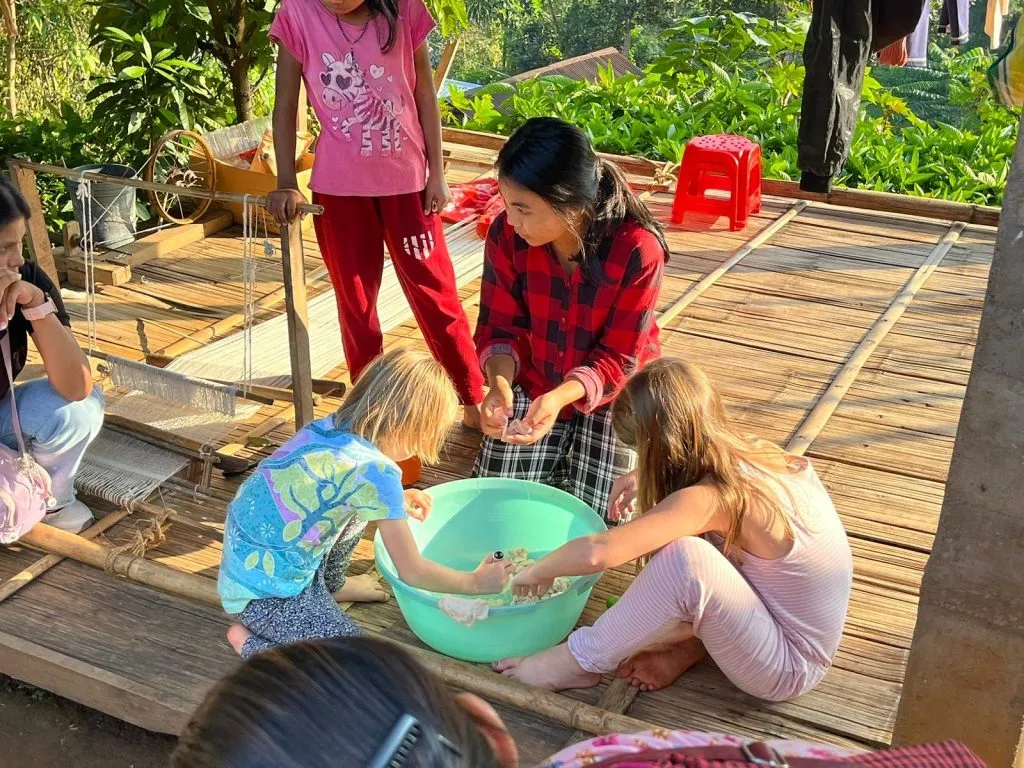
A delightful activity for me is visiting the eri spinners and weavers in Rio Bhoi district where I can watch them demonstrate the cocoon to fabric progress—an activity that doesn’t make it onto most travellers’ itineraries. I find myself captivated by their skilled hands transforming raw materials into beautiful textiles.
The state is home to incredible potters who create terracotta utensils that are contemporary in design. I am always impressed by their ability to blend traditional techniques with modern aesthetics. The bamboo baskets and skillful use of indigenous materials in building in the Garo hills are an absolute delight for me as a lover of architecture and design. I could spend hours admiring the craftsmanship and ingenuity on display.
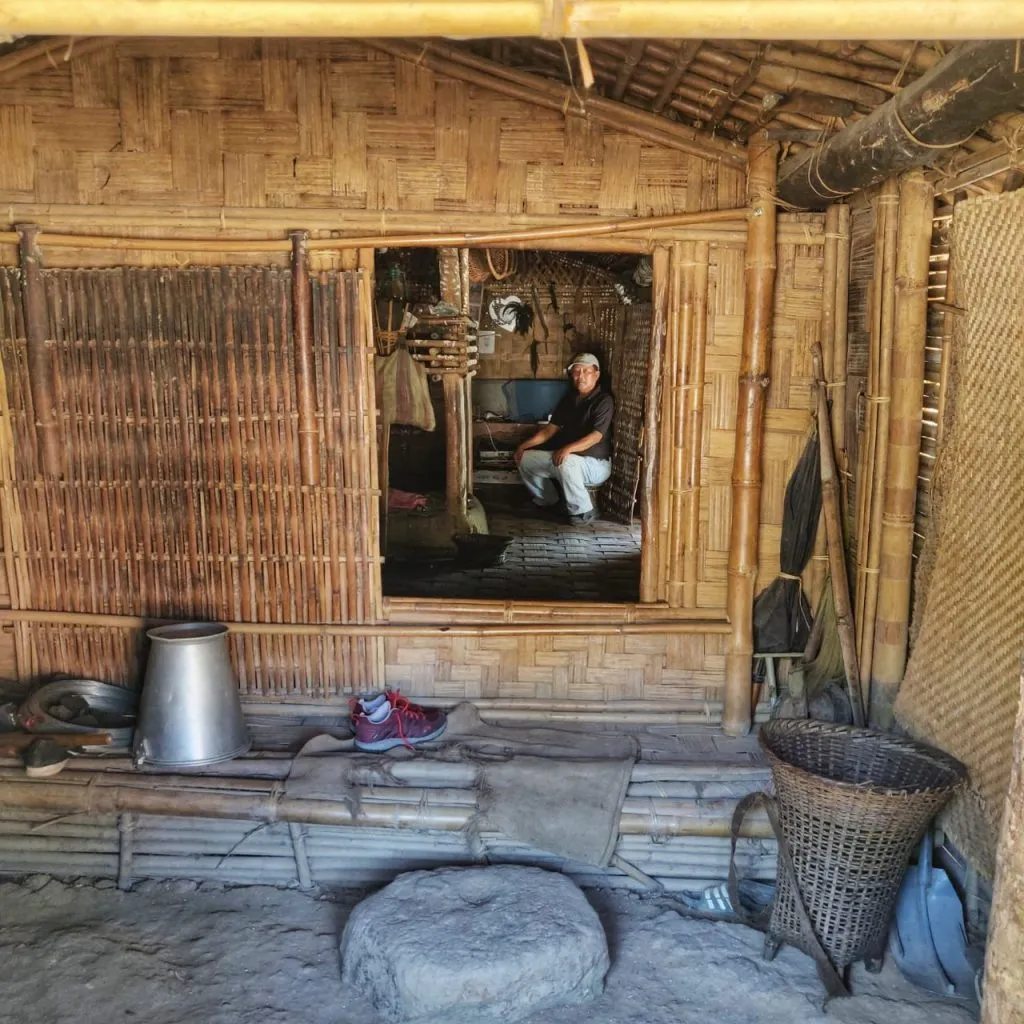
My favourite experience, however, is visiting one of the more remote villages to explore, cooking and eating with a local family, and letting the youngsters guide me down rural pathways to visit the farms. There is something profoundly enriching about sharing meals and stories with people whose lives are so deeply connected to the land and its traditions. These moments of genuine connection and cultural exchange are what make my travels truly memorable.
Practical Magic: Planning Your Meghalaya Trip
Meghalaya is well-connected with good roads and offers a variety of accommodation options to suit every budget. Its close proximity to Assam, with airports in Umroi and Guwahati, makes it easily accessible.
Whether you are looking for easy walks or long treks, there are plenty of options to choose from. And for those who just want to relax, there are countless places to just sit back, dream, sketch, and indulge in some forest bathing.
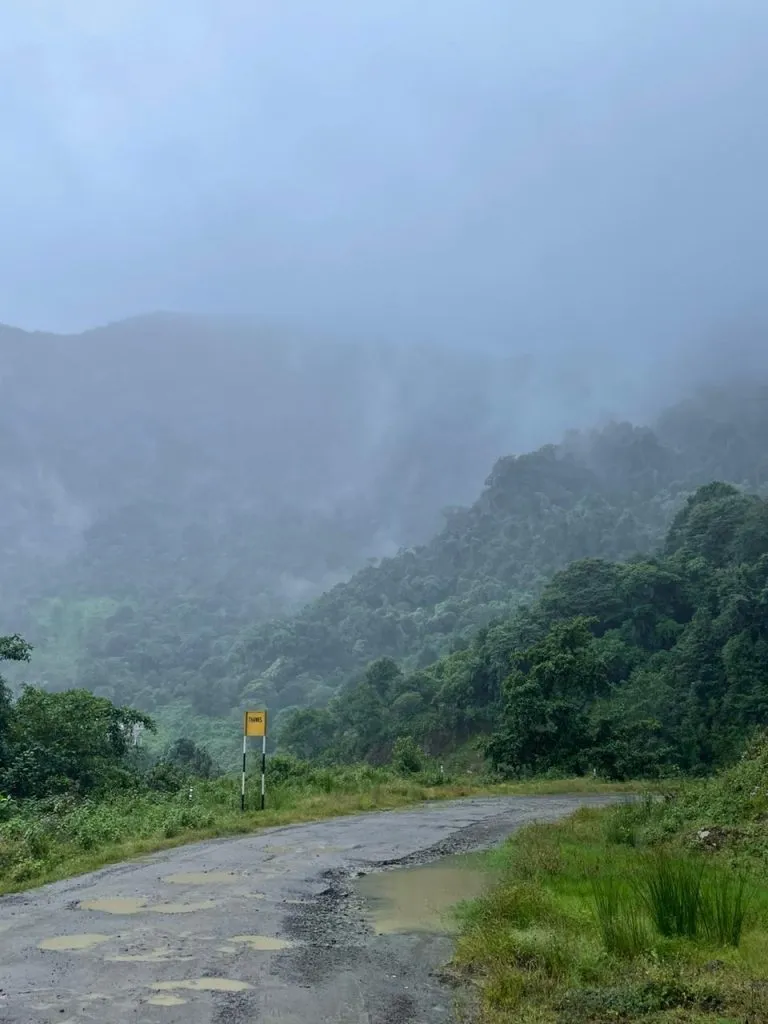
Meghalaya is a destination that stays with you long after you have left. It is the interactions with the warm and welcoming people, the taste of the fresh and flavorful food, the sight of the stunning landscapes, and the sound of the soulful music that make a trip to Meghalaya a truly unforgettable experience.
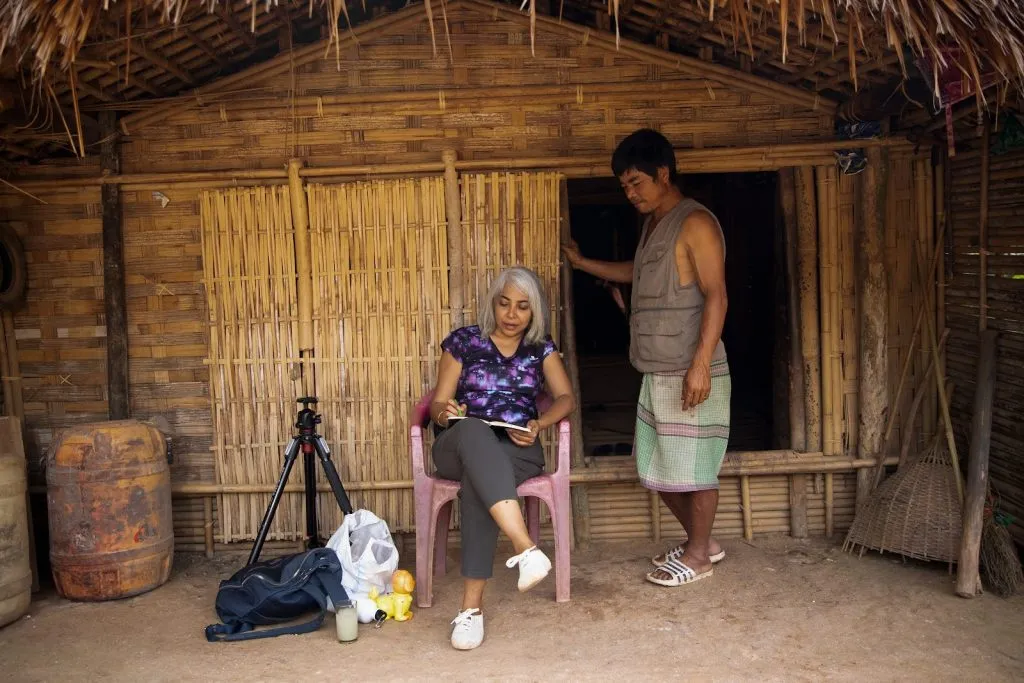
It is these interactions that make the trip, and it is these memories that will have you yearning to return to the abode of clouds. It is, without a doubt, a place that deserves a spot on every traveler’s bucket list.