
The Land of Seven Sisters: A Glimpse into the Majestic Geography of Northeast India
“I am not Chinese… I am an Indian.” These were the last words of 24-year-old Anjel Chakma, a student from Tripura who was violently attacked by a racist mob on December 9, 2025 in Uttarakhand’s Dehradun. After fighting for his life for 16 days at a hospital in Dehradun, the 24-year-old succumbed to his injuries on December 25. [1]
As travel curators, this incident was a gut-wrenching reminder of the deep-seated ignorance that fuels such hatred. It took the wind out of our wings, not because our passion for the Northeast wavered, but because it highlighted the urgency of our mission.
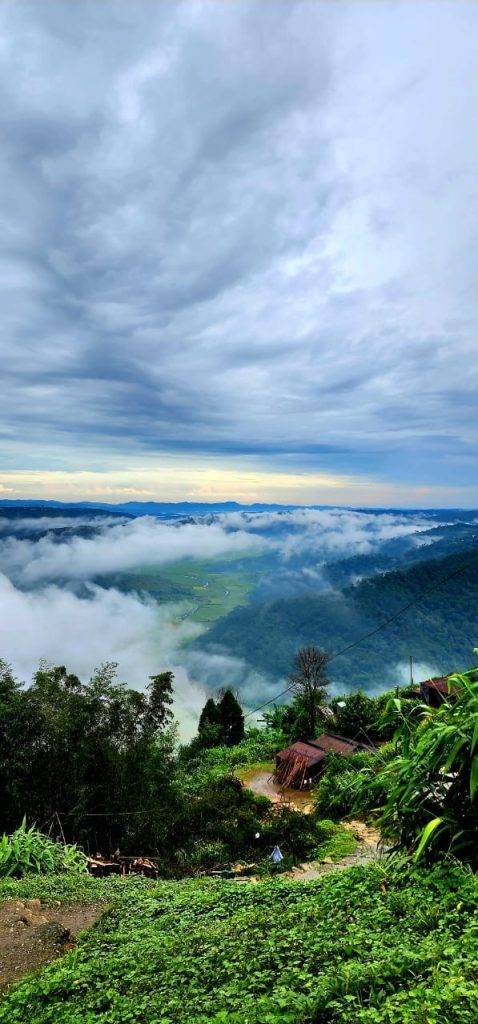
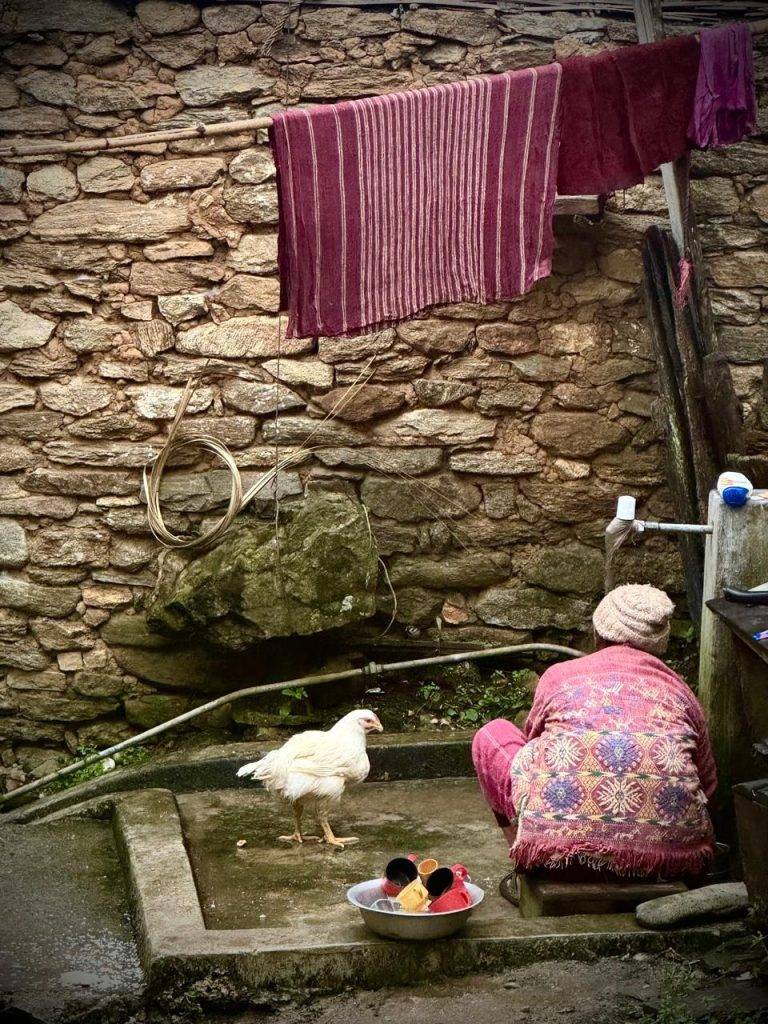
We are passionate about introducing people to this region’s incredible food, vibrant traditions, and intricate crafts. This tragedy happened because, for too many, the Northeast is a blank space on the map, a void filled with stereotypes instead of stories. This series is our small effort to fill that void, to replace prejudice with understanding, and to introduce you to the breathtaking beauty, rich culture, and profound diversity of Northeast India. We begin our journey with the very foundation of this region—its dramatic and soulful geography.
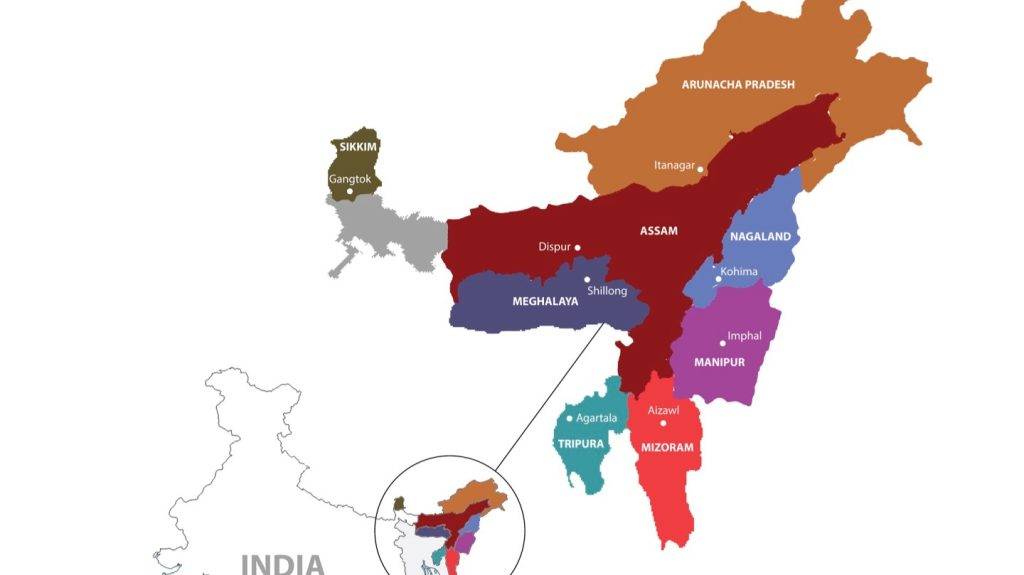
Northeast India, often called the “Land of Seven Sisters” (plus their brother, Sikkim), is a region of staggering geographical diversity. It is a place where the earth seems to have been sculpted with a primordial flair, a land of mist-shrouded mountains, emerald-green valleys, and rivers that rage and meander with a life of their own. The region comprises eight states: Arunachal Pradesh, Assam, Manipur, Meghalaya, Mizoram, Nagaland, Tripura, and Sikkim. Each state boasts a unique landscape, a distinct personality etched by nature, contributing to the rich, complex tapestry of the Northeast.
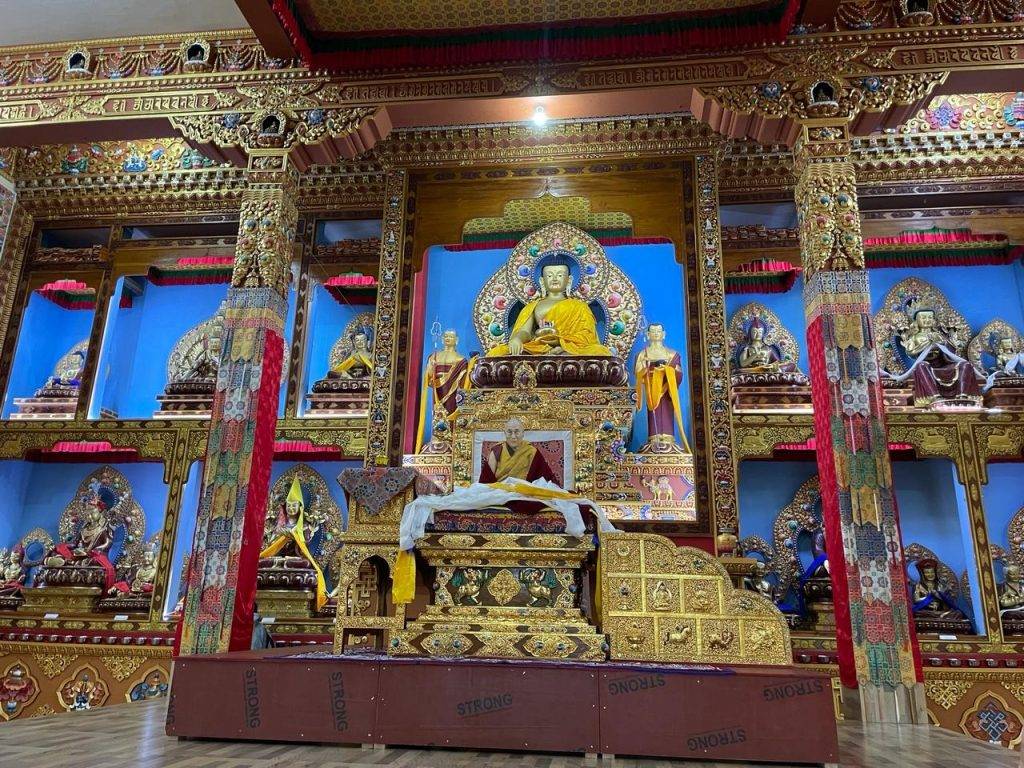
The topography is dominated by the formidable presence of the Eastern Himalayas and the Patkai mountain ranges. These are not just inert masses of rock; they are living entities, integral to the cultural and spiritual landscape. Many folk tales are woven around these peaks, which are often considered the abode of gods and spirits. The Khasi people of Meghalaya, for instance, are known as some of the world’s best storytellers, a skill they say was born from a legend. It is said that God once gave a Khasi man a document with all the divine teachings, but he lost it on his way home. Fearing the wrath of his people, he claimed the teachings were fresh in his mind and began narrating them. Thus began the tradition of passing wisdom through oral stories, a tradition that keeps the mountains and forests alive with meaning. These sacred groves, protected by spooky legends of guardian spirits, are some of the most pristine forests in India, a testament to indigenous conservation practices that predate modern environmentalism by centuries.
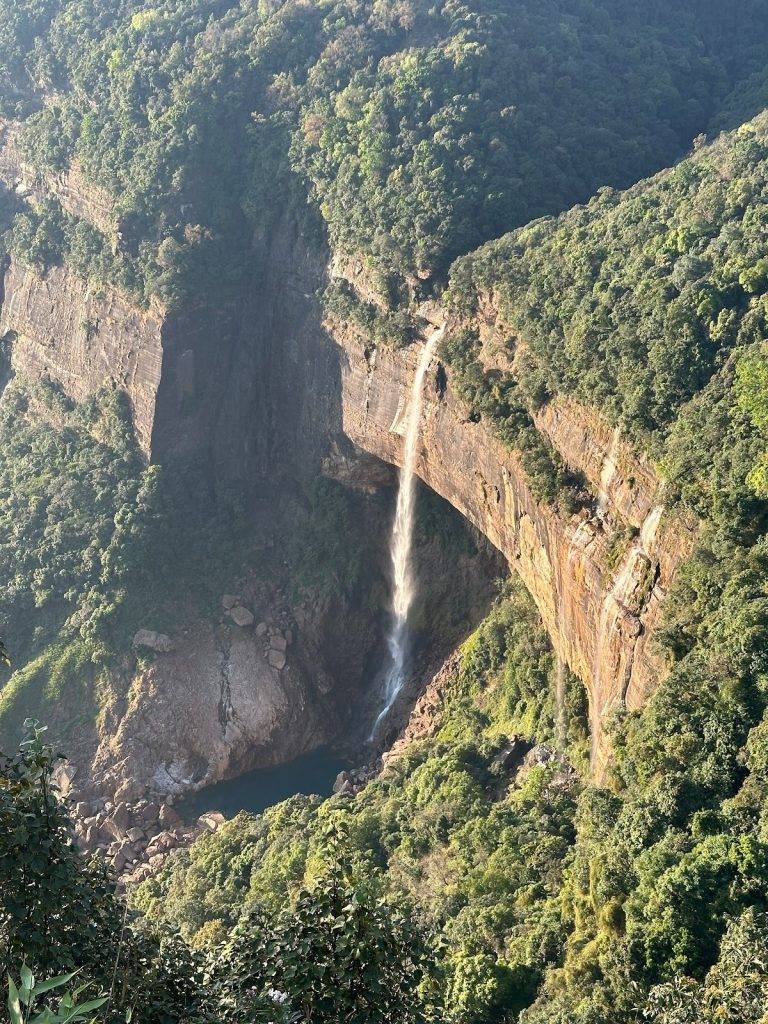
One of the most powerful and tragic of these stories is the legend of Nohkalikai Falls in Meghalaya, the tallest plunge waterfall in India. The name itself, meaning “Leap of Likai,” holds a heartbreaking tale. Likai was a young mother who, after her husband’s death, remarried to provide for her infant daughter. Her new husband, consumed by jealousy over the attention Likai showered on her child, committed an unspeakable act. He killed the infant, cooked her flesh, and served it to his unsuspecting wife. After her meal, while looking for a betel nut, Likai discovered her daughter’s severed finger. Maddened by grief and horror, she ran to the edge of the plateau and leaped to her death. The waterfall, plunging 340 meters into a pool of unusual green, is said to be a manifestation of her sorrow. Standing before it, one doesn’t just see a geographical wonder but feels the weight of a story that has shaped the local consciousness.
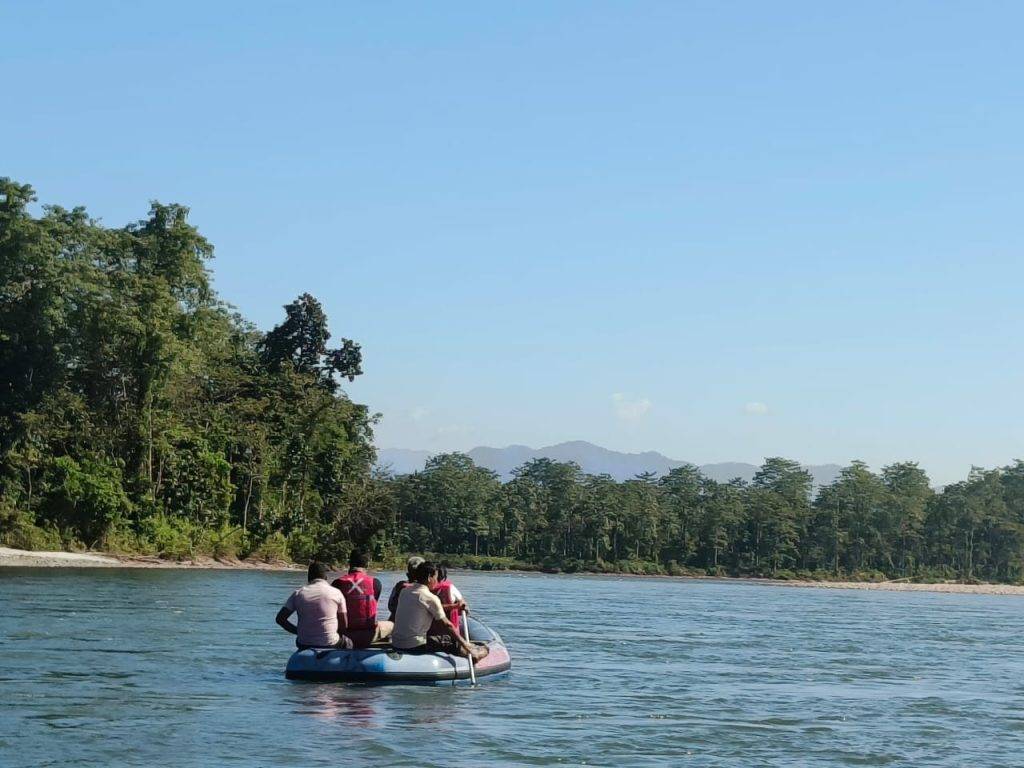
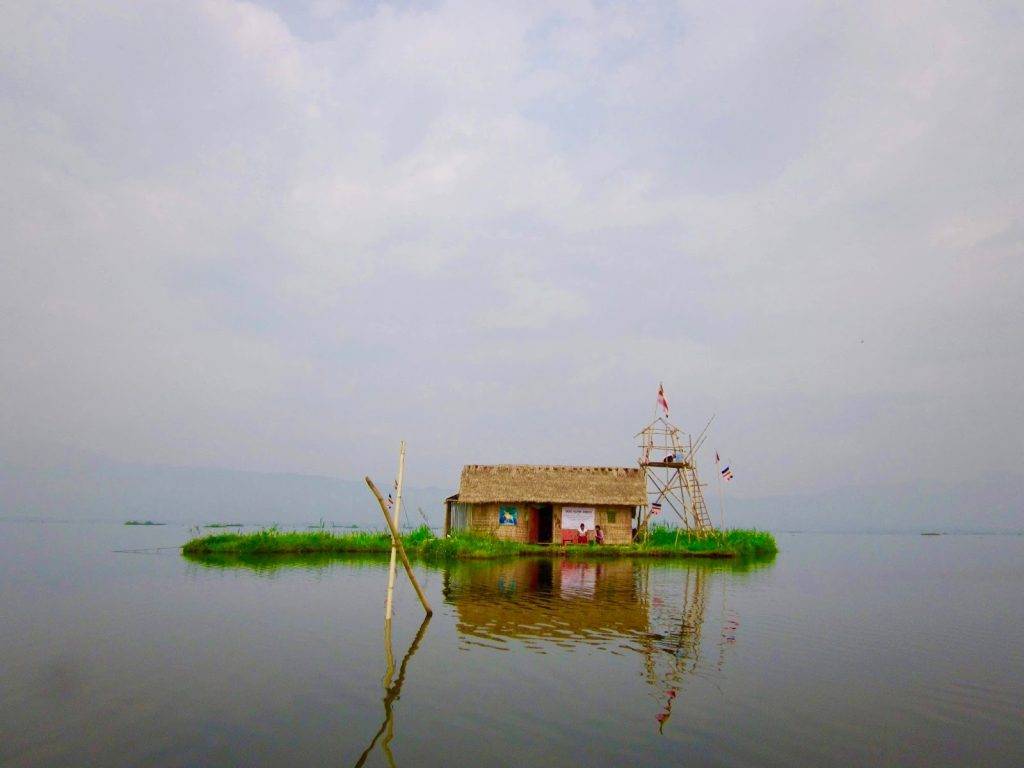
The region is also blessed with a network of mighty rivers, the most prominent being the Brahmaputra. Originating from the Angsi Glacier in Tibet, where it is known as the Yarlung Tsangpo, it carves its way through the Himalayas before entering Arunachal Pradesh and flowing through the heart of Assam. The Brahmaputra is not just a river; it is a lifeline, a deity, and a shaper of destinies. It provides water for agriculture, serves as a vital transportation route, and supports the livelihoods of millions. The river’s moods are legendary; it can be a gentle giant in the winter and a raging force during the monsoon, flooding vast plains and reshaping the landscape. This powerful river also cradles Majuli, the world’s largest river island. Majuli is not just a geographical curiosity; it is the epicenter of Vaishnavite culture in Assam, home to ancient Satras (monasteries) that have preserved unique traditions of music, dance, and art for centuries.
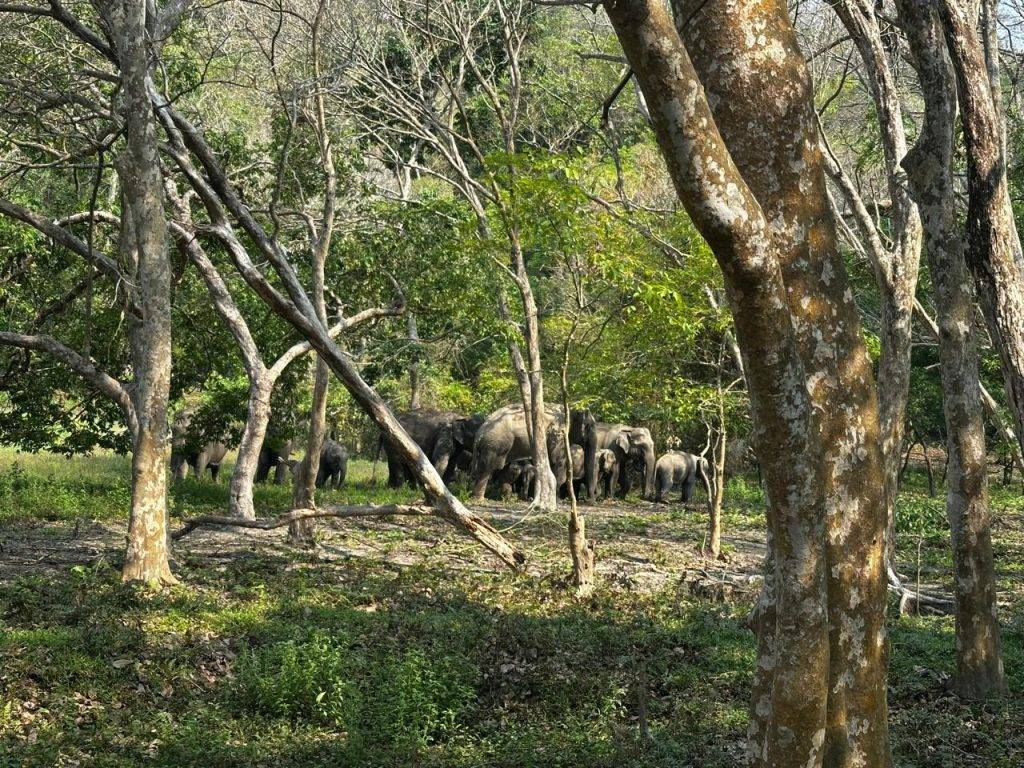
The climate of Northeast India is as diverse as its topography. It is predominantly a humid subtropical climate, but the altitude creates pockets of temperate and even alpine climates. The region is defined by the monsoon, with Cherrapunji and Mawsynram in Meghalaya vying for the title of the wettest place on Earth, receiving over 450 inches of rain annually. This abundance of rain has blessed the region with a verdant, almost impossibly lush landscape and a rich biodiversity that makes it a global hotspot. The dense forests are a treasure trove of flora and fauna, home to endangered species like the one-horned rhinoceros, the Royal Bengal tiger, the clouded leopard, and the charming red panda. This biodiversity is not just for admiration; it is woven into the fabric of daily life, providing food, medicine, and materials for everything from housing to traditional crafts.
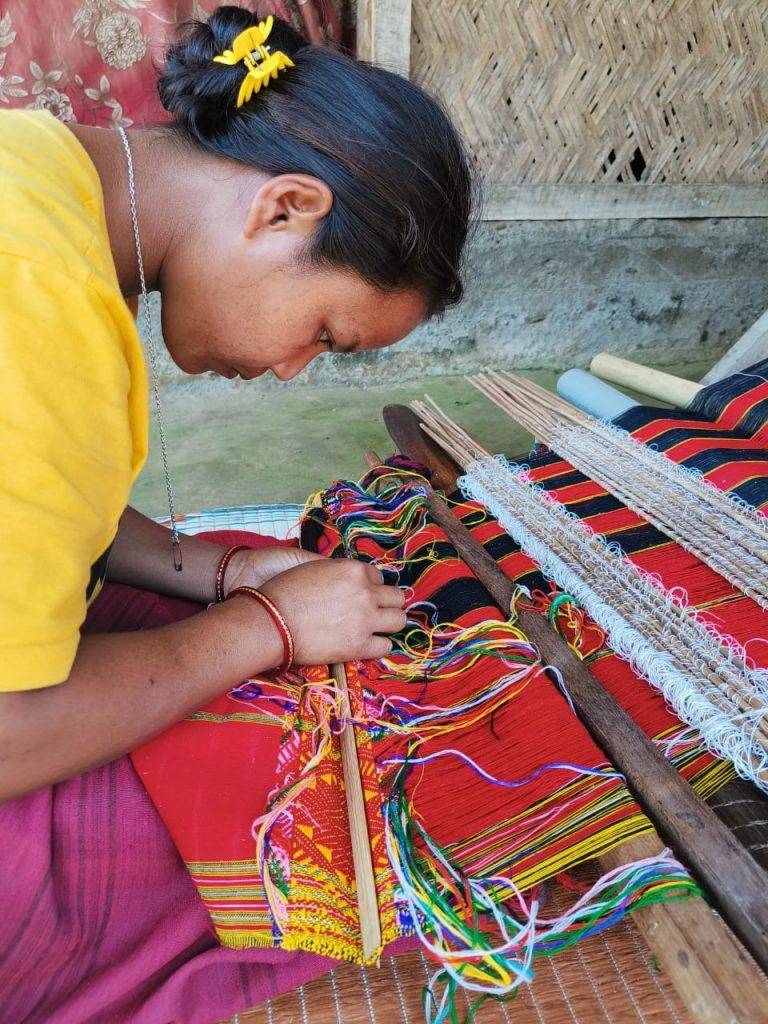
Understanding the geography of Northeast India is the first step toward understanding its people. The mountains have provided both isolation and protection, allowing unique cultures to flourish. The rivers have been conduits for trade and migration, bringing new ideas and influences. The climate has dictated the rhythms of life, from the agricultural cycles to the vibrant festivals that celebrate the harvest. This is a land where nature is not a backdrop but an active participant in the human story. In our next post, we will delve into the history of this fascinating region and get to know the prominent tribes who call this beautiful, complex land their home.
References
[1]: https://www.thehindu.com/news/national/tripura-student-angel-chakma-death-mob-attack-what-we-know-so-far/article70452233.ece “The Hindu: Tripura student Angel Chakma death mob attack what we know so far”
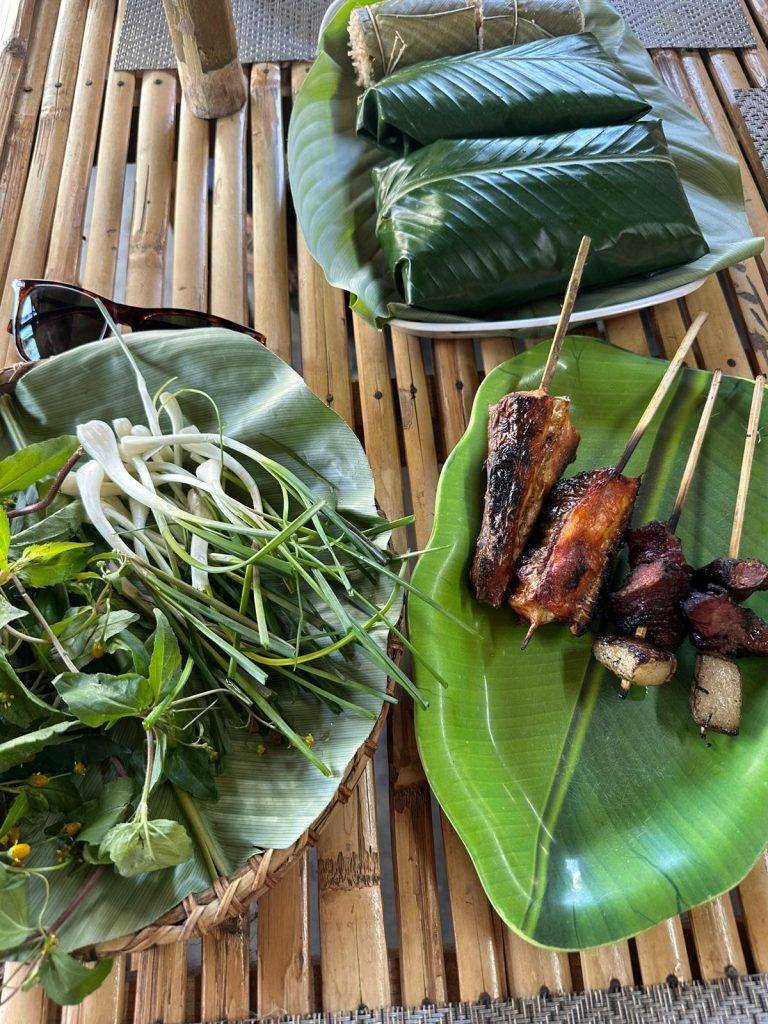
The unique geography of the Northeast has also created a fascinating culinary landscape, which we will explore in a later post. The abundance of bamboo has led to its use not just as a food source but also as a cooking vessel. Fish and meat are often cooked inside hollow bamboo tubes over an open fire, a technique that imparts a unique, smoky flavor to the food. The region’s many rivers and lakes provide a bounty of fresh fish, which is a staple in the diet of many communities. The fertile plains of Assam, watered by the Brahmaputra, are ideal for growing rice, the cornerstone of every meal.
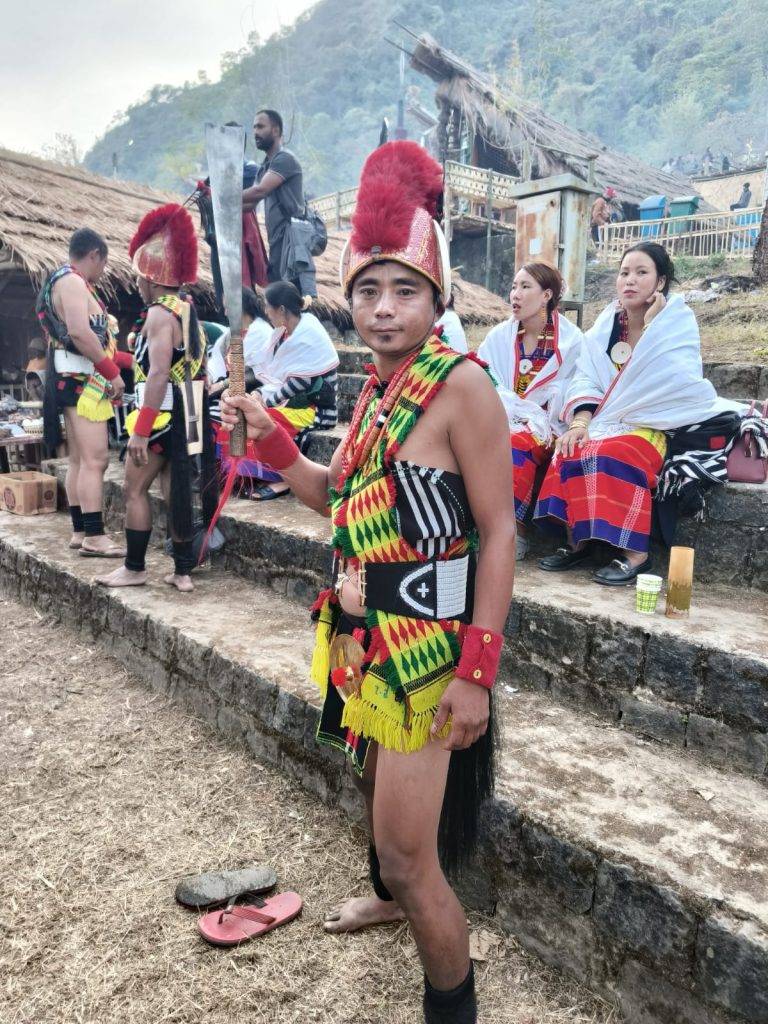
Even the challenges of geography have been turned into opportunities. The steep, hilly terrain of Nagaland would seem unsuitable for agriculture, yet the Angami tribe has practiced a sophisticated form of terraced wet-rice cultivation for centuries. These terraces, carved into the hillsides with remarkable precision, are not just a feat of engineering but also a beautiful sight to behold, transforming the landscape into a patchwork of green and gold. This is a testament to the resilience and ingenuity of the people of the Northeast, their ability to adapt and thrive in a challenging environment.
In every aspect of life in Northeast India, from the food they eat to the stories they tell, the geography of the region plays a central role. It is a land that is both beautiful and formidable, a place that has shaped the character and culture of its people in profound ways. To understand the Northeast, one must first understand its land, its rivers, and its mountains. For it is in the geography of this region that the soul of its people is truly revealed.
One Response
What’s Happening i’m new to this, I stumbled upon this I’ve found It positively helpful and
it has helped me out loads. I am hoping to give a contribution &
aid other users like its aided me. Great job.