
“I am not Chinese… I am an Indian.” These were the last words of 24-year-old Anjel Chakma, a student from Tripura who was violently attacked by a racist mob on December 9, 2025 in Uttarakhand’s Dehradun. After fighting for his life for 16 days at a hospital in Dehradun, the 24-year-old succumbed to his injuries on December 25. [1]
As travel curators, this tragedy reinforces our mission: to bridge the gap of understanding and introduce the vibrant, diverse, and deeply rooted cultures of Northeast India. In our previous post, we journeyed through the region’s stunning geography. Now, we delve into its rich history and meet some of the incredible tribal communities who are the heart and soul of this land.
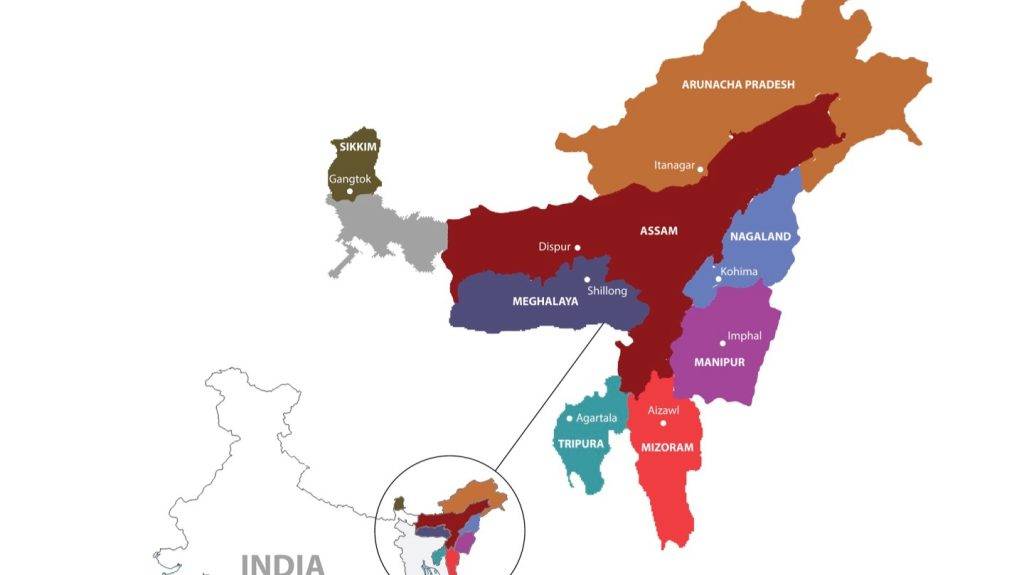
The history of Northeast India is not a single, monolithic story but a complex tapestry woven from the threads of countless migrations, ancient kingdoms, and the enduring spirit of its indigenous people. The region has been a crossroads of cultures for millennia, with influences from Tibeto-Burman, Austro-Asiatic, and Indo-Aryan groups shaping its unique identity. Kingdoms like the Ahom in Assam, who ruled for nearly 600 years, and the powerful Twipra Kingdom in Tripura, left an indelible mark on the region’s history and architecture. The arrival of the British in the 19th century brought another layer of complexity, leading to significant social and political changes, including the introduction of Christianity, which is now a major faith in states like Nagaland, Mizoram, and Meghalaya.
But the true essence of the Northeast lies in its diverse tribal communities. There are hundreds of distinct tribes, each with its own language, customs, and traditions. Today, we introduce you to just a few of these remarkable groups.
The Naga: Warriors, Weavers, and Storytellers
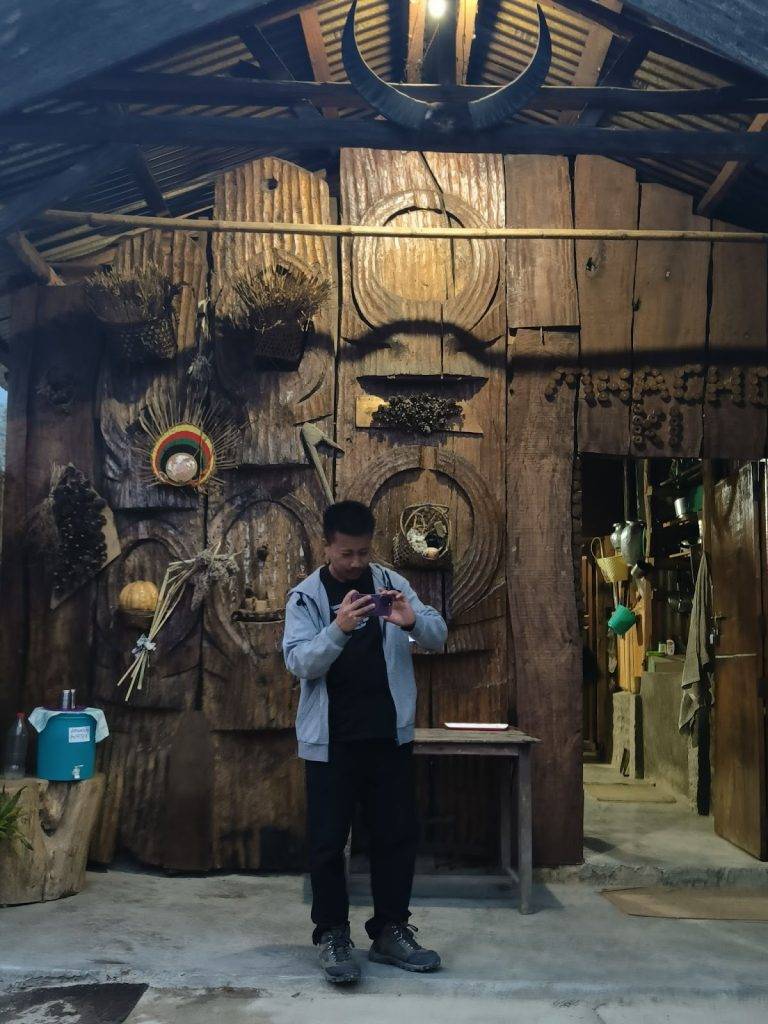
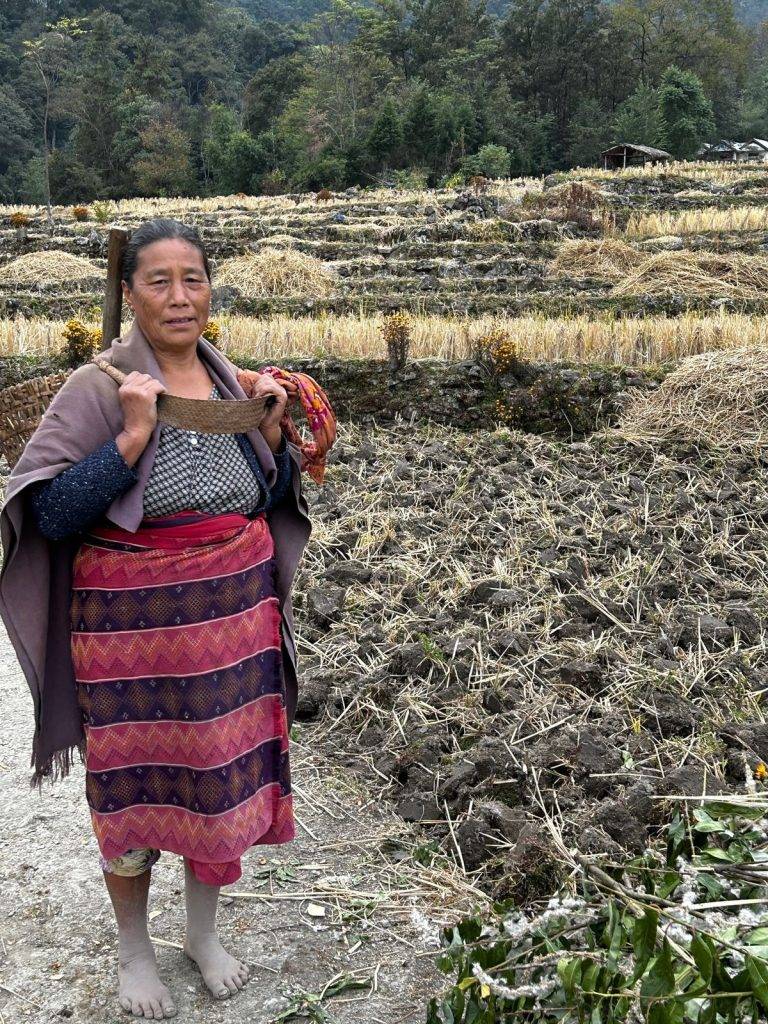
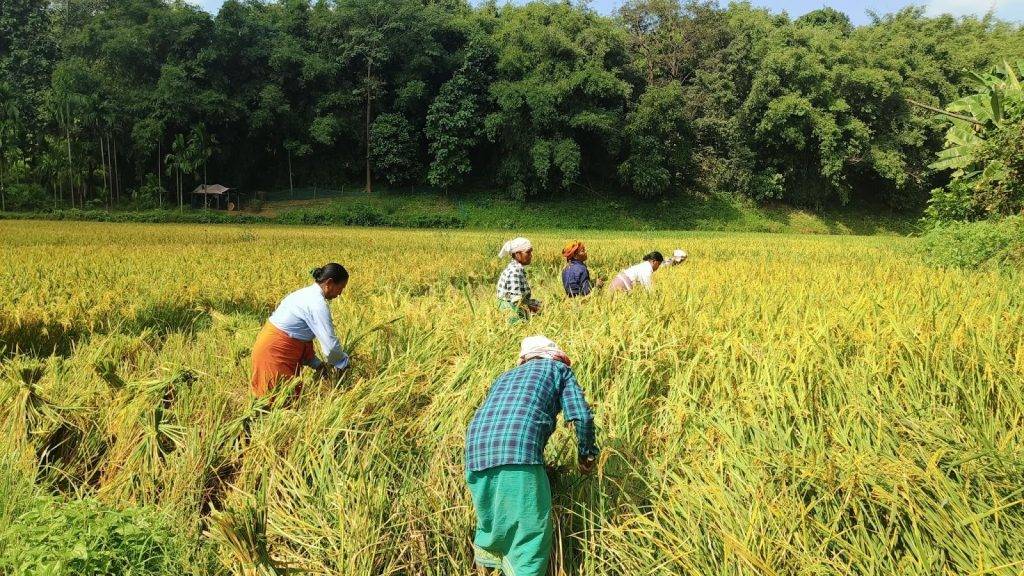
The Nagas are a proud and resilient people, comprising several major tribes, including the Angami, Konyak, and Sumi. Historically known for their fierce warrior traditions and the practice of headhunting (a practice long since abandoned), the Nagas have a rich cultural heritage. The Angamis are renowned for their intricate terraced wet-rice cultivation and their stunning shawls, while the Konyaks are famous for their facial tattoos, which once signified their prowess in battle. The Sumis are known for their martial arts and their vibrant festivals. A common thread among all Naga tribes is the importance of oral tradition, with history, genealogy, and folklore passed down through generations in the form of songs and stories. One such legend tells of the origin of the Naga people from a single, mythical ancestor, a story that binds the diverse tribes together.
The Garo: A Matrilineal Society
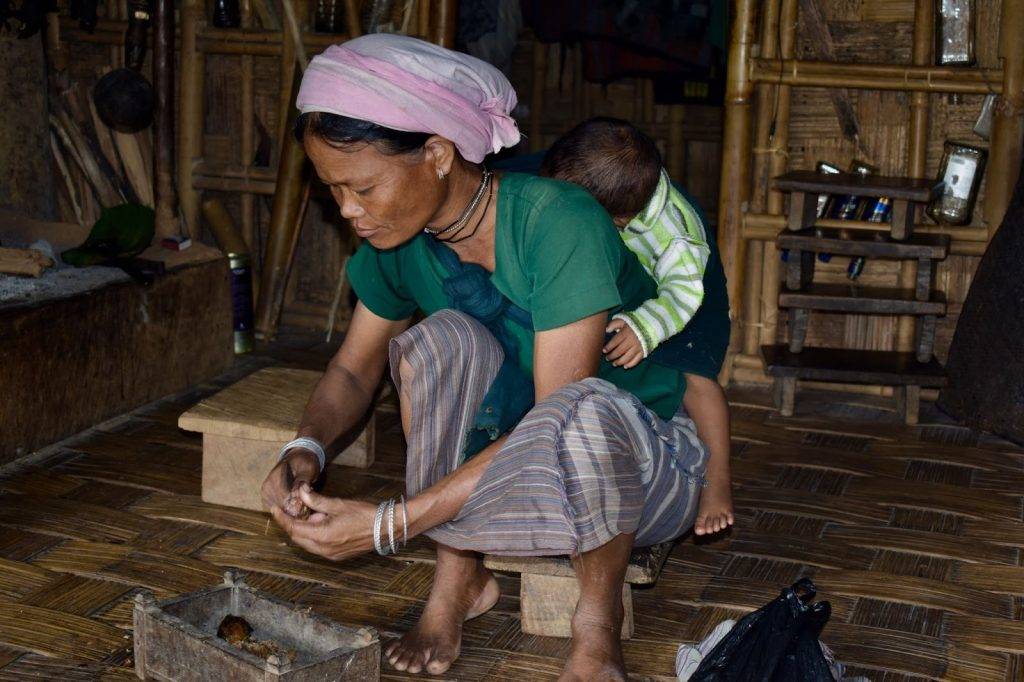
In the hills of Meghalaya, the Garo people practice a unique matrilineal system, one of the few remaining in the world. In Garo society, lineage and inheritance are traced through the mother, and the youngest daughter inherits the family property. The husband moves into his wife’s home after marriage. This social structure, however, does not mean it is a matriarchy; men still hold significant roles in managing property and governing the community. The Garos are also known for their vibrant Wangala festival, a post-harvest celebration to honor the sun god, filled with music, dance, and feasting.
The Karbi and Tai Singpho: Guardians of Tradition
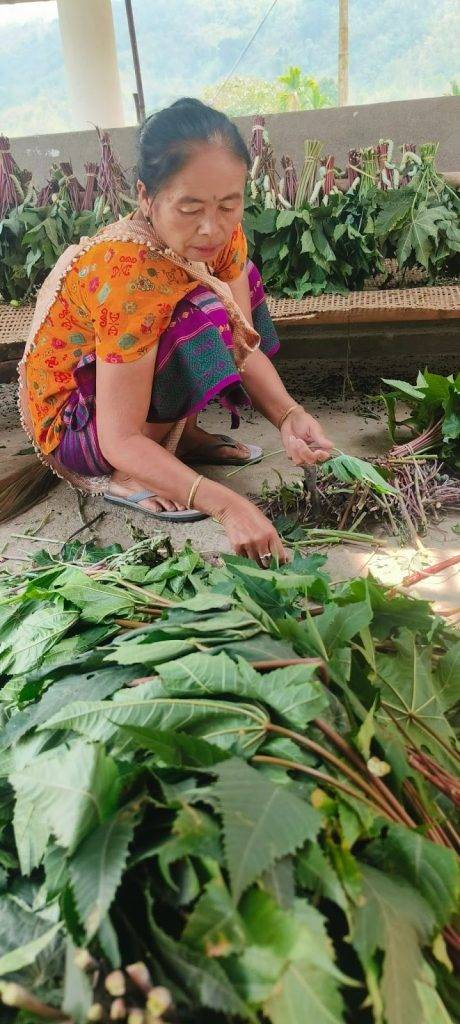
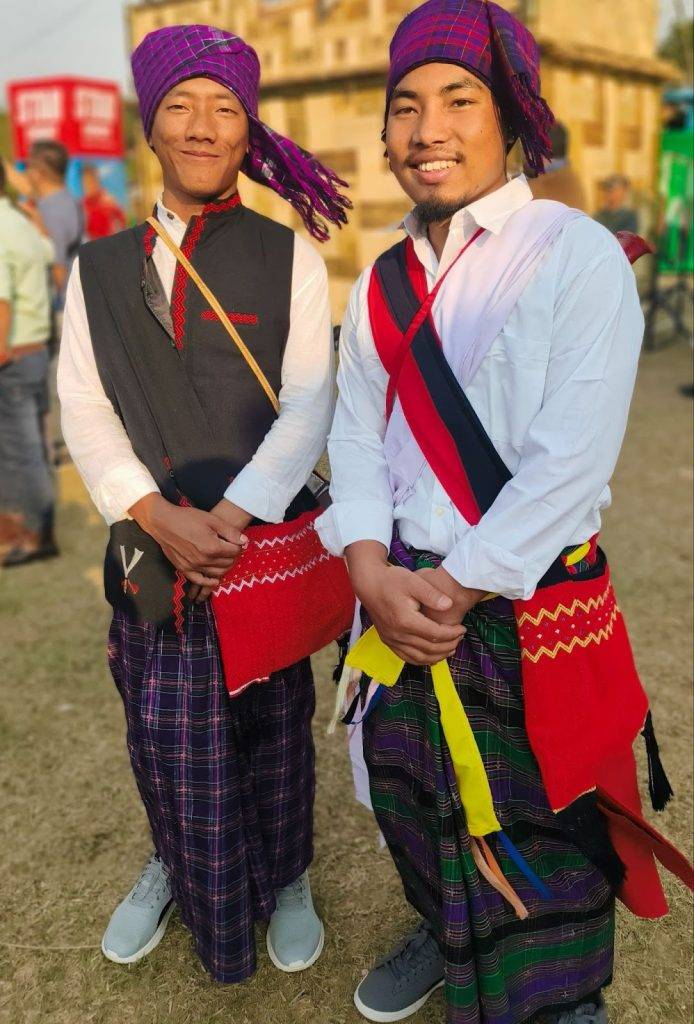
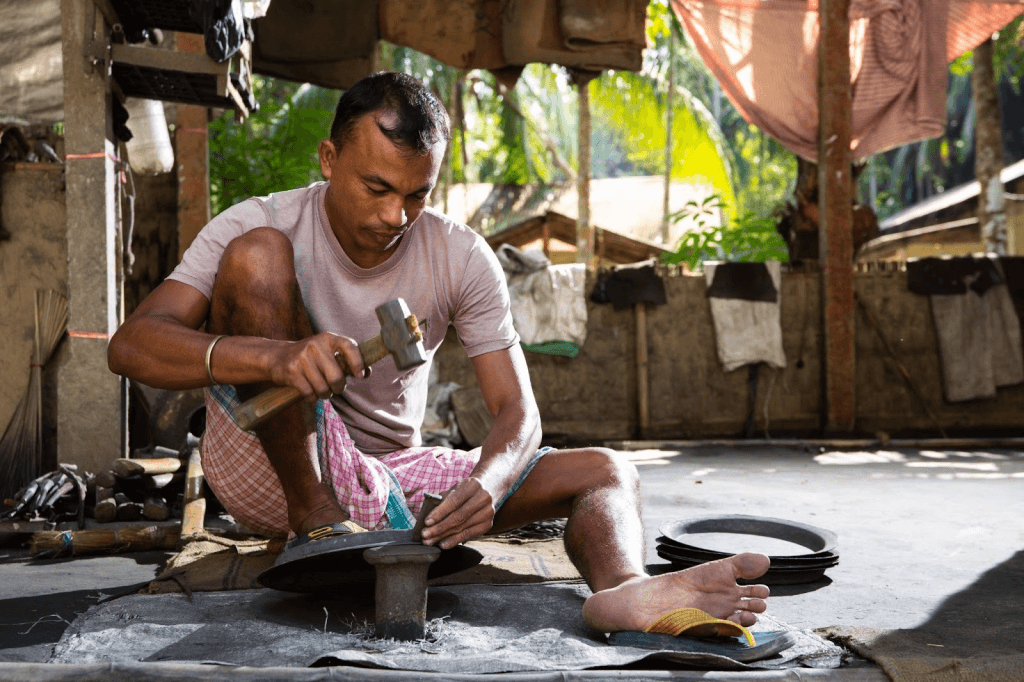
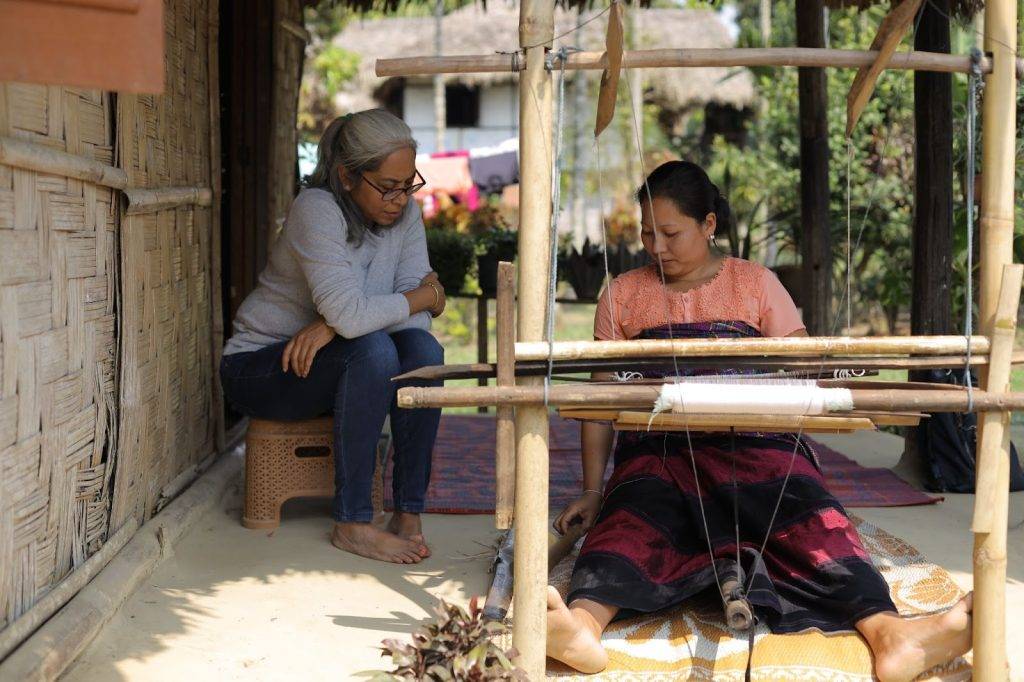
The Karbi people, primarily residing in the hills of Assam, have a rich cultural heritage centered around their traditional music, dance, and festivals. They have a strong sense of community and a deep connection to their ancestral lands. The Karbis follow a unique social structure with a strong emphasis on clan organization. The Tai Singpho tribe, found in parts of Arunachal Pradesh and Assam, are believed to have migrated from present-day Myanmar. They are known for their expertise in tea cultivation and are credited with being among the first to brew tea in India. The Singphos have a rich tradition of craftsmanship, particularly in weaving and blacksmithing. Their warrior heritage is a source of great pride, and they played a significant role in resisting British colonial rule in the region.
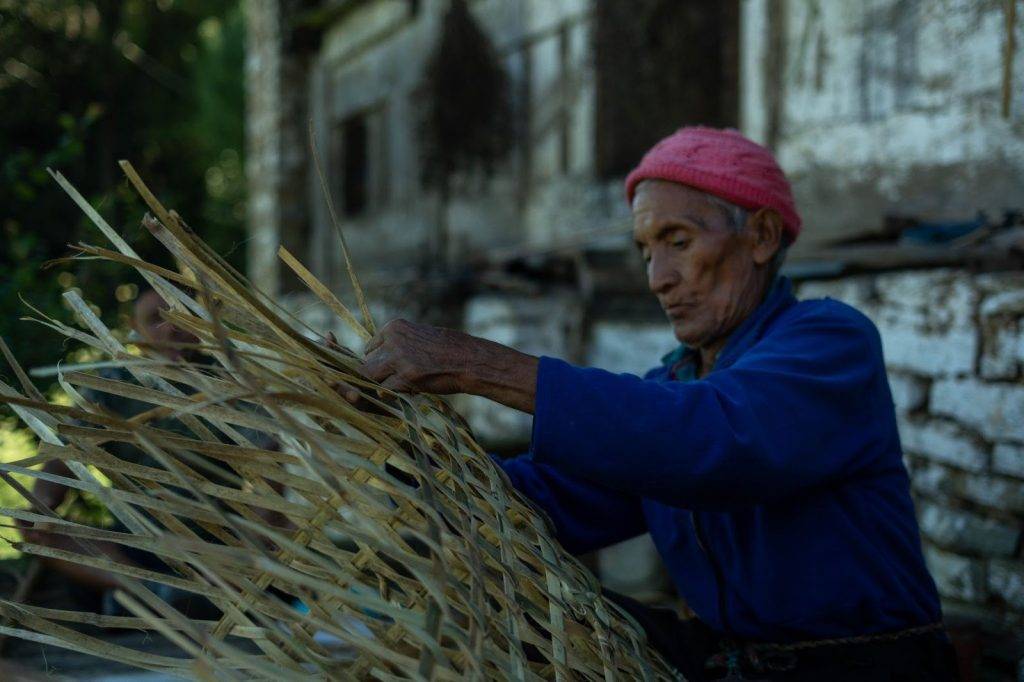
These are just a few of the many vibrant tribal communities that call Northeast India home. Each has a unique story to tell, a rich culture to share, and a deep connection to the land they inhabit. In our next post, we will explore the incredible tourism opportunities in the Northeast, from trekking in the Himalayas to exploring ancient monasteries and pristine national parks.
References
[1]: https://www.thehindu.com/news/national/tripura-student-angel-chakma-death-mob-attack-what-we-know-so-far/article70452233.ece “The Hindu: Tripura student Angel Chakma death mob attack what we know so far”