

Food is a universal language, a way to connect with and understand different cultures. As travel curators, we believe that sharing a meal can be a powerful act of solidarity. In this post, we invite you to pull up a chair and explore the delicious, diverse, and often surprising world of Northeast Indian cuisine. It’s a culinary journey that will not only tantalize your taste buds but also offer a deeper understanding of the region’s people and their way of life.
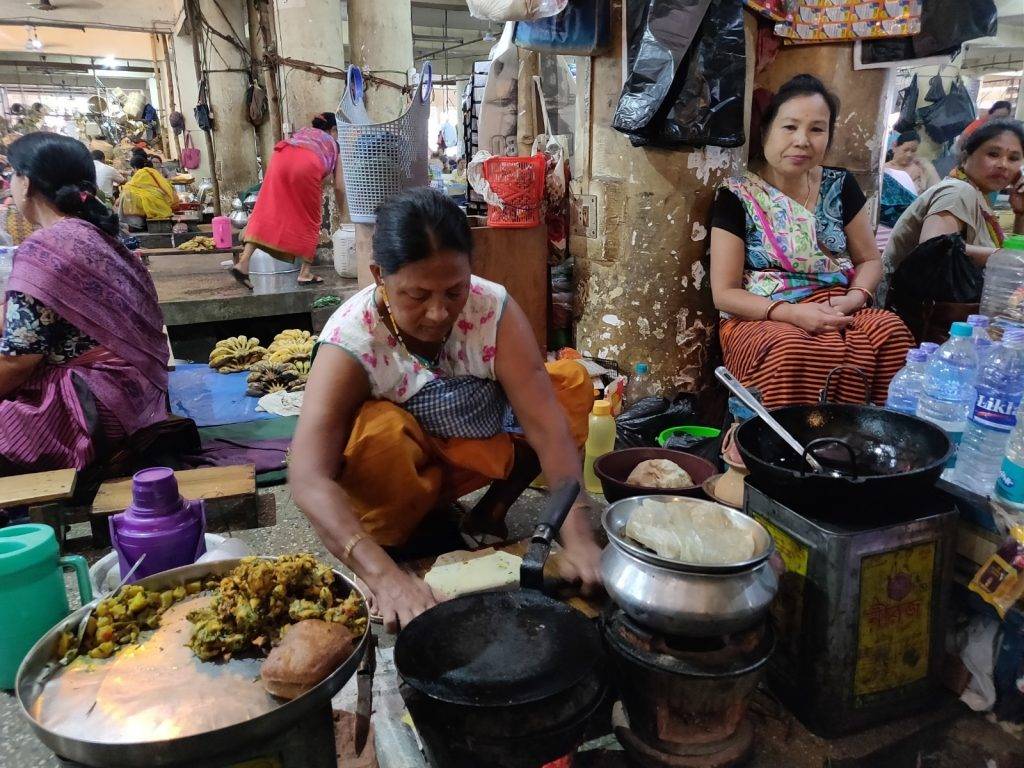
Forget everything you think you know about Indian food. The cuisine of Northeast India is a world away from the rich, creamy curries and heavy spice blends that dominate many Indian restaurant menus. Here, the food is simpler, yet incredibly flavorful, with a strong emphasis on fresh, local, and seasonal ingredients. It’s a cuisine that is deeply connected to the land, with each dish telling a story of the region’s unique geography and cultural traditions.
The Soul of the Cuisine: Key Ingredients and Techniques
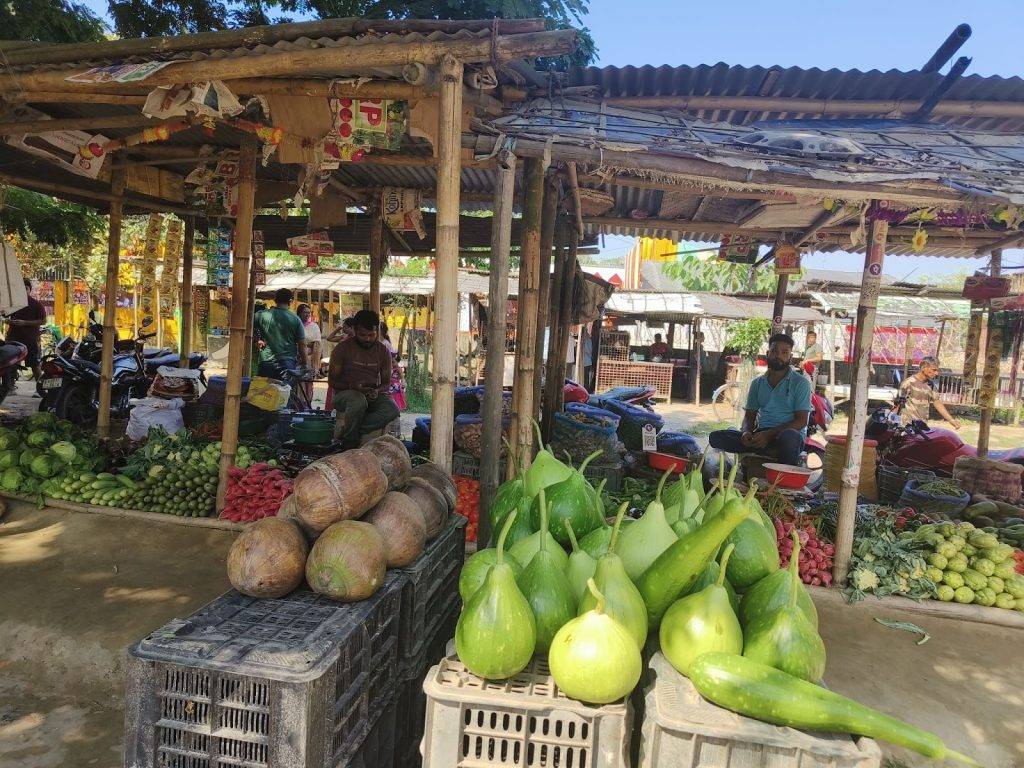
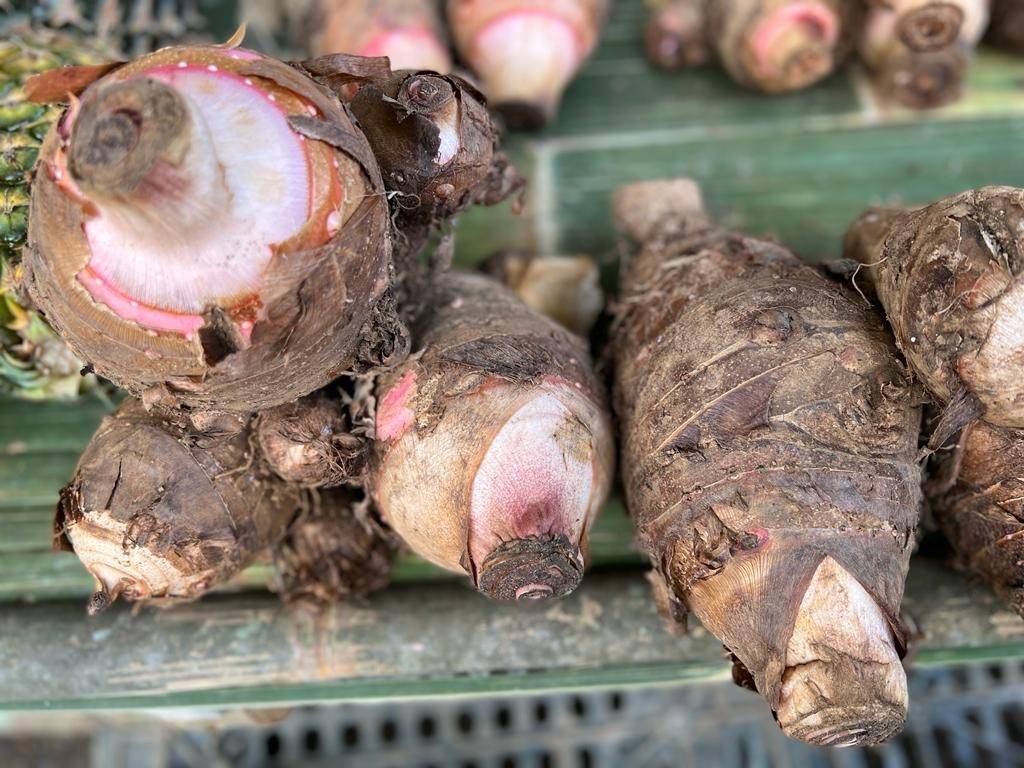
The secret to the unique flavors of Northeast Indian food lies in its ingredients. Bamboo shoot, in its fresh, fermented, or dried form, is a staple in many dishes, lending a distinctive tangy and slightly pungent flavor. Fermentation is another key technique, used to preserve food and create complex flavors. From Nagaland’s akhuni (fermented soybeans) to Manipur’s ngari (fermented fish), these ingredients add a powerful umami punch to many dishes.
Smoking is another popular cooking method, particularly for meat and fish. This not only preserves the food but also imparts a delicious smoky flavor that is characteristic of the region’s cuisine. The use of aromatic herbs and greens, many of which are foraged from the wild, adds another layer of complexity to the food. And then there’s the Bhut Jolokia, or ghost pepper, one of the hottest chilies in the world, which is used to add a fiery kick to many dishes.
A Taste of the States: Iconic Dishes of the Northeast
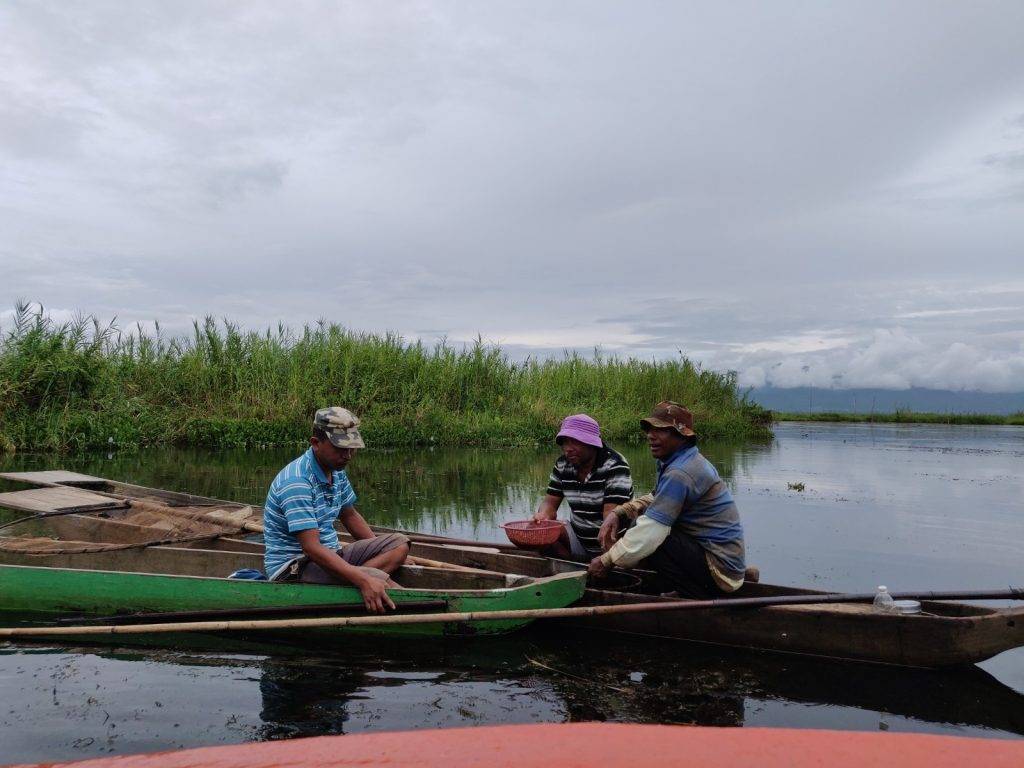
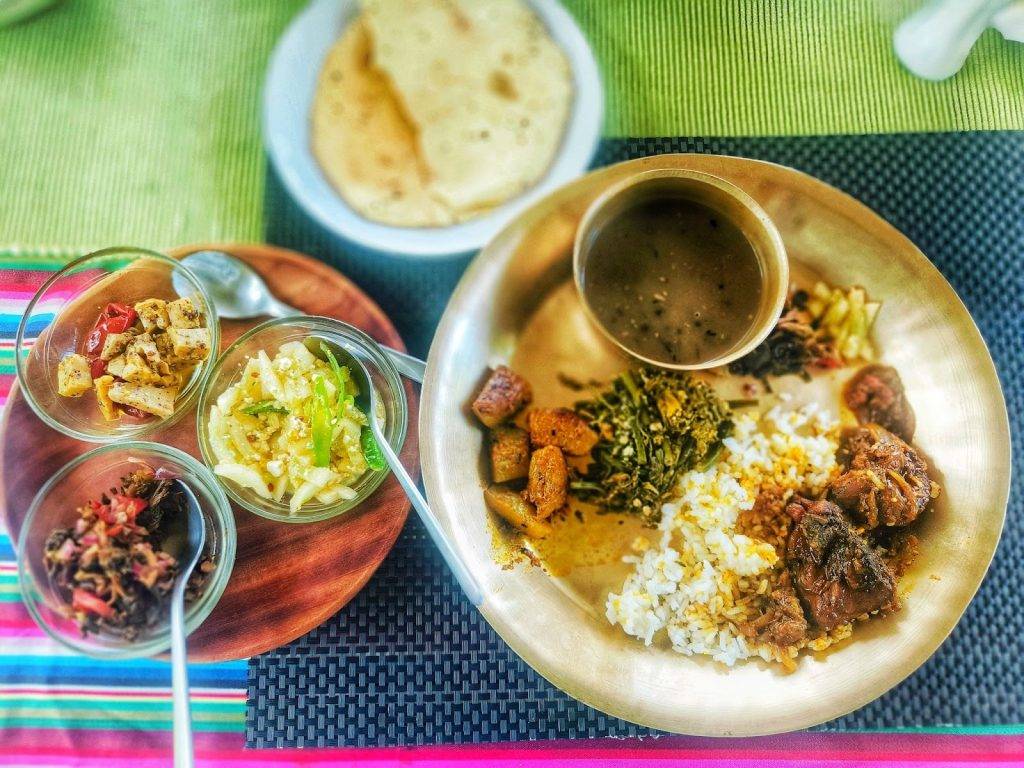
Each state in the Northeast has its own unique culinary traditions. In Manipur, you’ll find Iromba, a flavorful chutney made with fermented fish, mashed potatoes, and fresh greens. Meghalaya is famous for Jadoh, a delicious rice and pork dish, and Doh-Khlieh, a pork salad with onions and chilies. Nagaland is a meat lover’s paradise, with smoked pork being a local delicacy. The Nagas are also known for their love of spicy food, and no meal is complete without a fiery chili chutney.
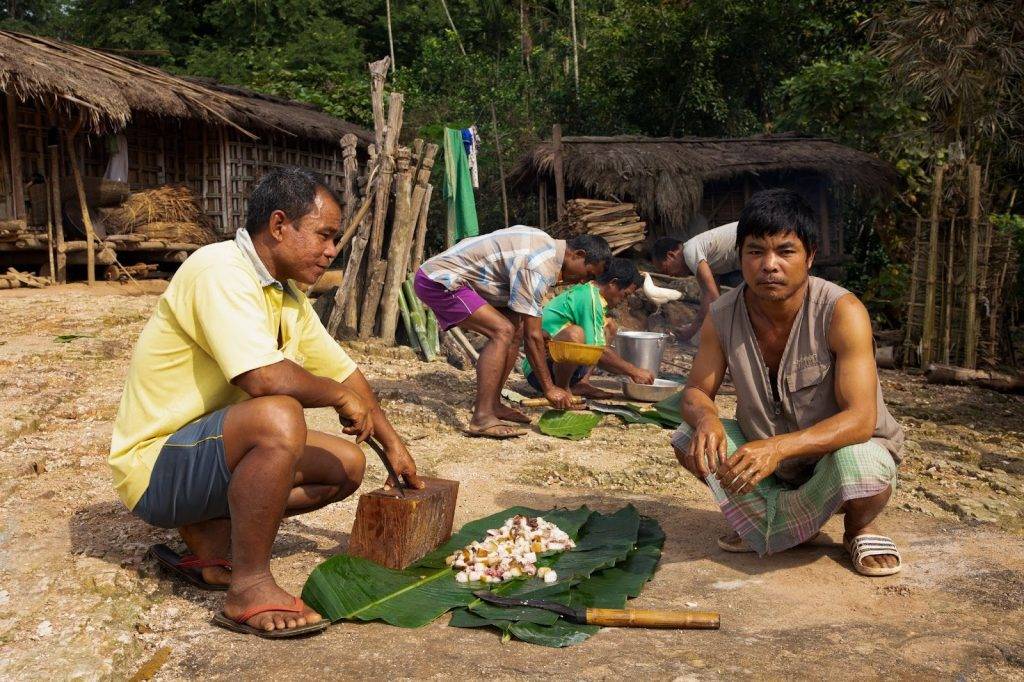
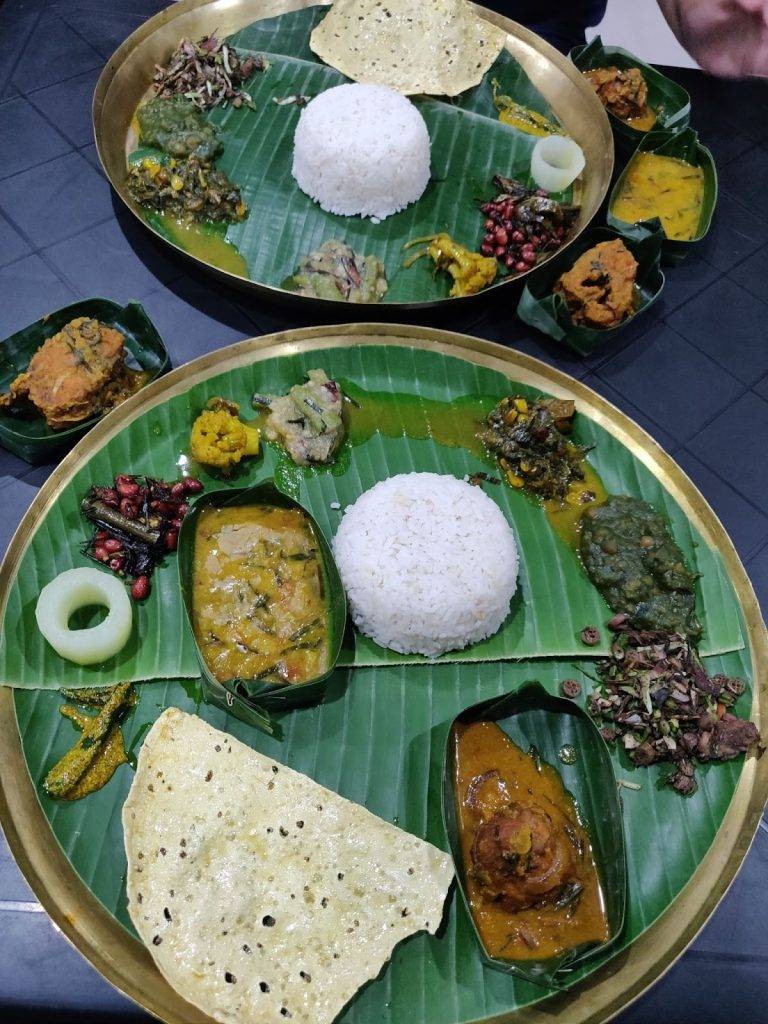
In Assam, you can savor Tenga, a tangy curry made with tomatoes and ginger, and Khar, a unique dish made with a liquid filtered through the ashes of a banana peel. This traditional preparation method reflects the resourcefulness of Assamese cooks. Mizoram offers Bai, a hearty stew made with pork, vegetables, and bamboo shoots that is perfect for the cool mountain climate. And in Arunachal Pradesh, you can try Thukpa, a hearty noodle soup with Tibetan origins that has become an integral part of the local cuisine.
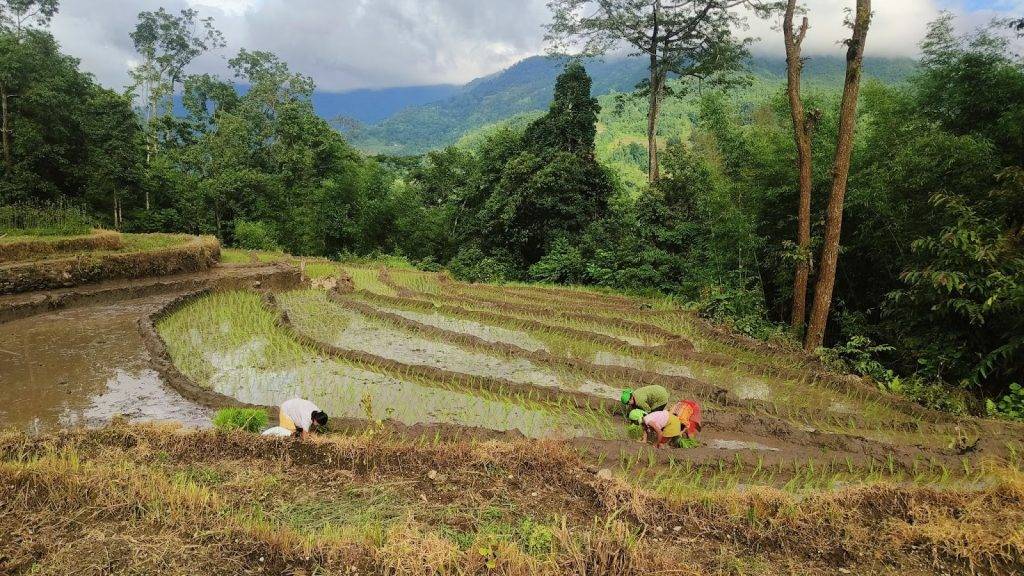
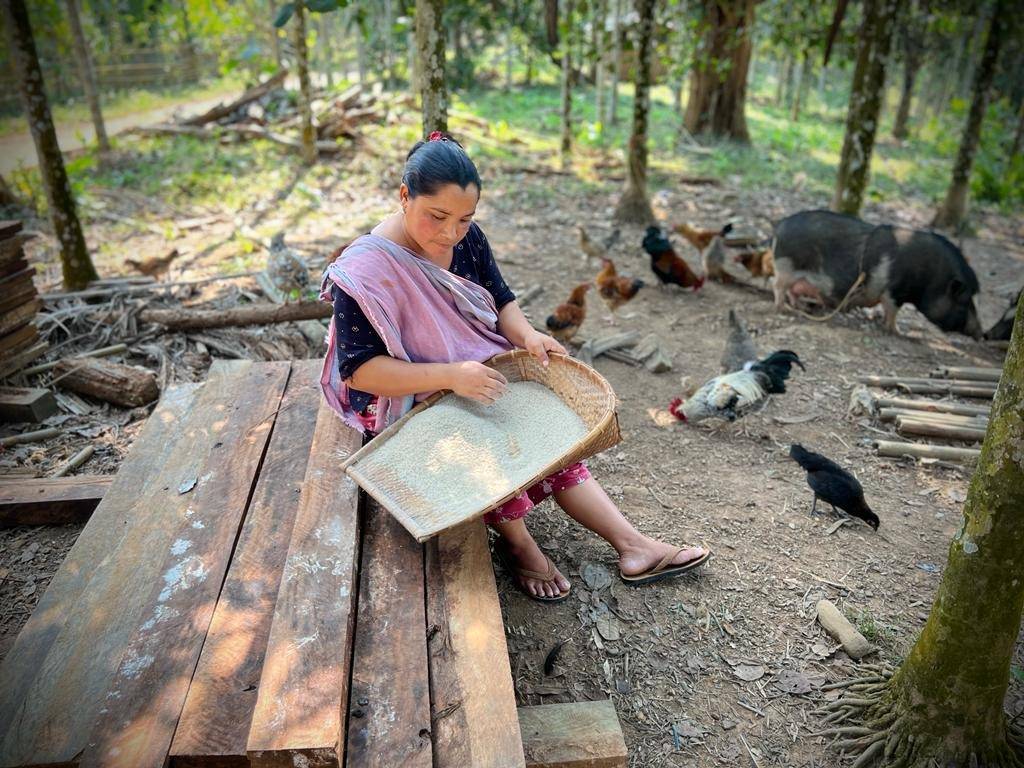
No meal in the Northeast is complete without rice, the staple food of the region. The rice is often cooked in a simple, steamed manner, allowing the natural flavor to shine through. And to wash it all down, there’s Apong or Zutho, a traditional rice beer that is brewed in almost every household. This fermented beverage is not just a drink; it is an important part of social gatherings and celebrations, a way of bringing people together. The brewing of rice beer is often a communal activity, with families and neighbors gathering to participate in the process, sharing stories and strengthening bonds.
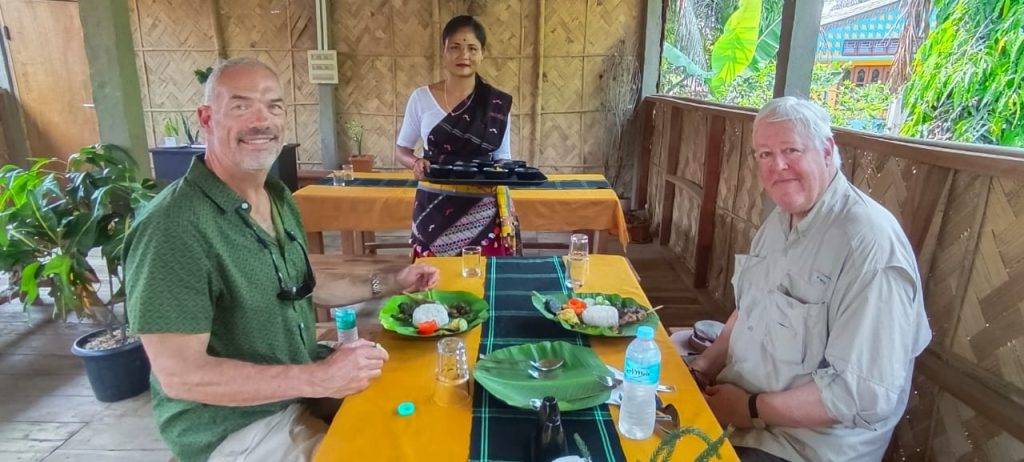
The cuisine of Northeast India is a reflection of the region’s rich cultural diversity and its deep connection to nature. It’s a cuisine that is simple, yet sophisticated, and full of surprises. In our final post, we will explore the exquisite traditional weaving and attire of the Northeast, a testament to the region’s artistic heritage.

2 Responses
每天都在战争,希望2026和平.
看不懂但大受震撼